Infrastructure
The Role of Infrastructure in Protecting Midwest Water Systems
Exploring how infrastructure investments can bolster water systems in the Midwest amidst rising challenges.
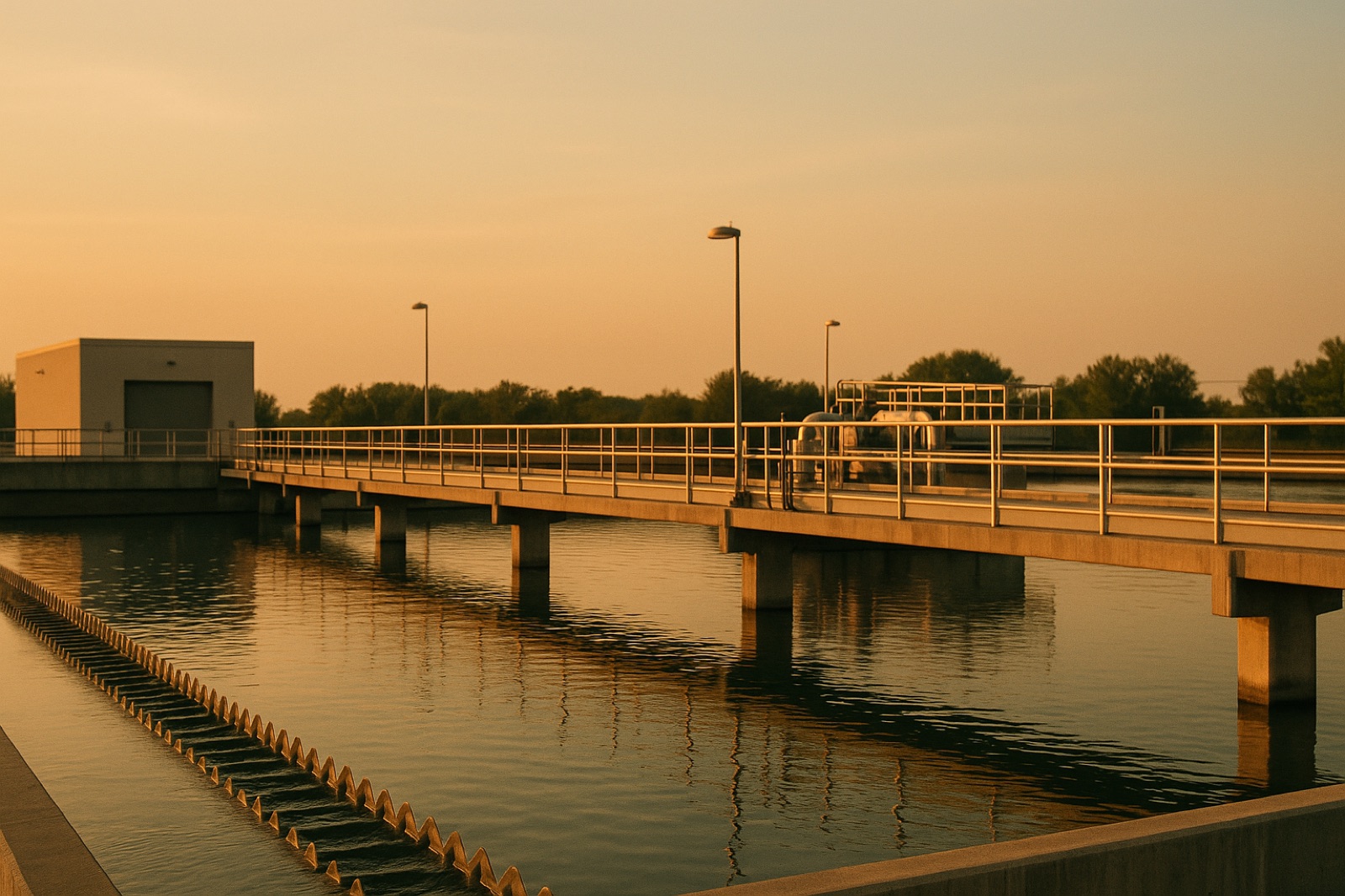
In the Midwest, the health of water systems is closely tied to the durability and efficiency of infrastructure. With aging pipelines and treatment facilities, communities across the region face a pressing challenge: how to ensure safe and reliable water for residents while addressing environmental concerns. Recent discussions about infrastructure enhancements have highlighted the need for investments that not only repair existing systems but also adapt to future demands.
The State of Midwest Water Infrastructure
The American Society of Civil Engineers (ASCE) regularly assesses the state of the nation’s infrastructure, including water systems. The 2021 Infrastructure Report Card assigned a grade of D to the nation’s drinking water infrastructure, reflecting the widespread issues of lead pipes, outdated filtration systems, and the urgent need for modernization. Many Midwest cities, including those in Illinois and Missouri, are no strangers to these challenges. Aging infrastructure leads to significant water loss through leaks and can exacerbate contamination issues.
Federal initiatives, such as the bipartisan Infrastructure Investment and Jobs Act, aim to tackle some of these problems by providing funds for water system upgrades. This legislation potentially allows local governments to replace lead pipes, improve treatment facilities, and enhance water quality monitoring. However, to leverage these opportunities, municipalities must have detailed plans in place to prioritize projects and ensure proper allocation of funds.
Case Studies in Infrastructure Investment
Several Midwest cities are taking proactive steps to address their water infrastructure needs. For instance, Chicago has implemented a comprehensive strategy to update its water main system, focusing on replacing hundreds of miles of aging pipes. This initiative not only aims to reduce water loss but also to improve the quality of drinking water. Such efforts are commendable, yet they require substantial investment and long-term commitment from both city officials and residents.
In Missouri, St. Louis has faced similar challenges, particularly regarding stormwater management. The city’s aging combined sewer system has historically struggled to handle heavy rainfall, leading to overflows that compromise local waterways. To address this, recent projects have focused on green infrastructure solutions that utilize natural systems to manage stormwater. These investments not only improve water management but also enhance urban green spaces.
Environmental Impacts and Community Engagement
When addressing infrastructure challenges, it is vital to consider environmental sustainability. As climate change brings about more extreme weather events, the resilience of water systems will be paramount. Cities that invest in green infrastructure, such as permeable pavements and bioswales, can better manage stormwater and reduce the burden on conventional systems.
Community engagement also plays a critical role in successful infrastructure projects. Residents who understand the implications of water system upgrades are more likely to support initiatives that may require increased utility rates or temporary service interruptions. Transparent communication about the long-term benefits of investment can foster public trust and cooperation.
Looking Ahead: A Collaborative Future
As Midwest communities assess their water infrastructure needs, collaboration among stakeholders is essential. Public agencies, private companies, and community organizations must work together to develop holistic solutions that prioritize both public health and environmental integrity. By aligning their goals and resources, these groups can create robust water systems that not only meet current demands but are also adaptable to future challenges.
In conclusion, the path forward for Midwest water systems lies in strategic infrastructure investments and community involvement. The region has a unique opportunity to enhance its water systems through careful planning and innovative solutions. As we face the complexities of a changing climate and aging infrastructure, it is crucial for local leaders and residents to work hand-in-hand to build a sustainable future for our water resources.