Infrastructure
Ensuring the Reliability of Water Infrastructure in the Midwest
As aging systems face new challenges, understanding the role of technology and updates is crucial for water utilities.
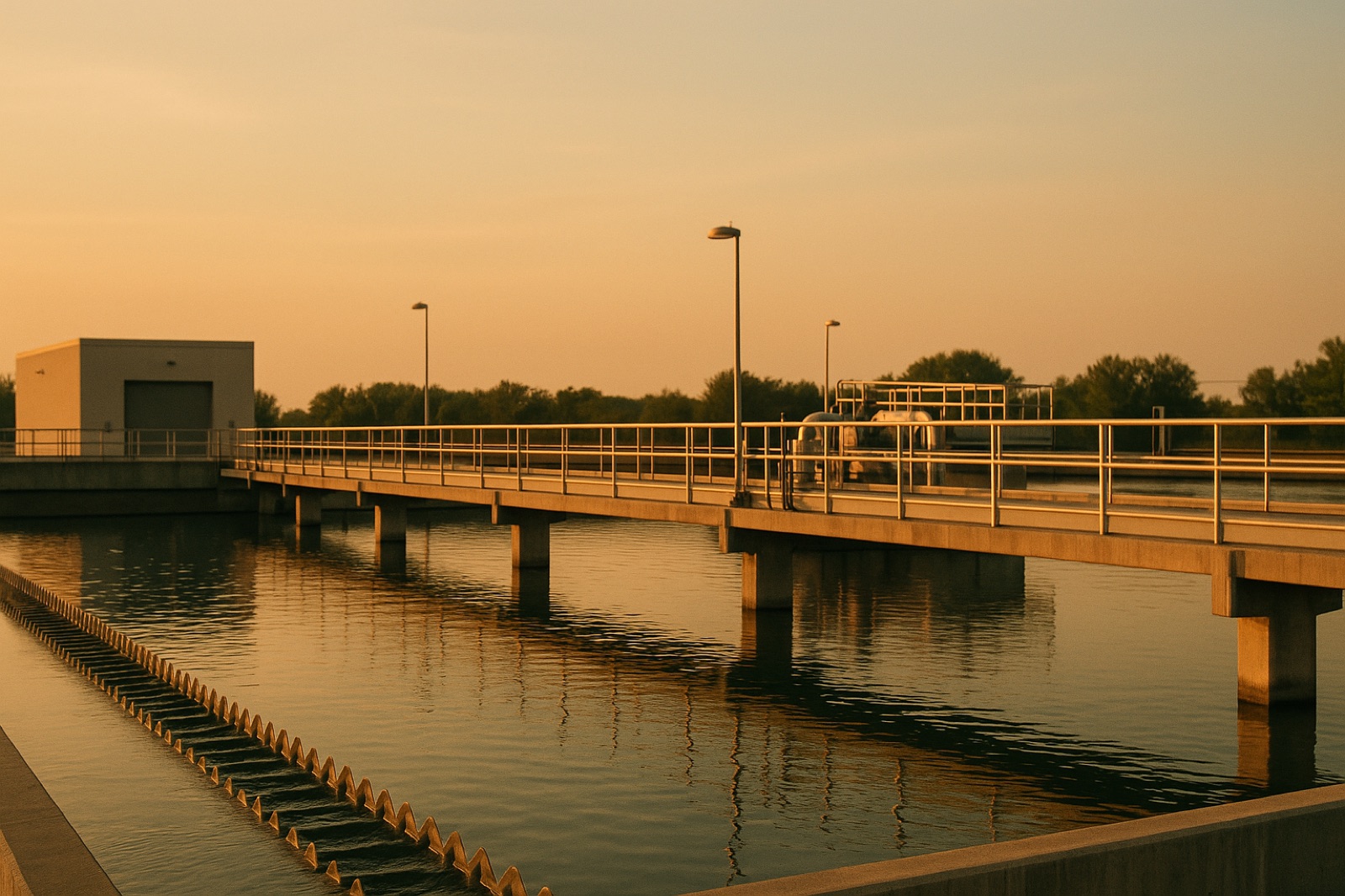
Water infrastructure in the Midwest is a complex web of systems that deliver clean water to communities and handle wastewater. As many of these systems age, utilities must adapt and innovate to maintain reliability and efficiency.
The State of Water Infrastructure
Across the Midwest, many water systems are grappling with outdated infrastructure. According to the American Society of Civil Engineers, a significant portion of the region's water pipes were installed decades ago and are nearing the end of their useful lives. This aging infrastructure poses challenges that can lead to service interruptions and increased maintenance costs. However, advancements in technology are providing utilities with new tools to address these issues.
Smart Meters and Data Management
One such advancement is the integration of smart water meters, which are becoming increasingly common in communities across the Midwest. These devices provide real-time data on water usage, allowing utilities to monitor consumption patterns and detect leaks more swiftly. For example, the Water Finance and Management highlights the deployment of over 20 million iPERL water meters worldwide, designed to offer lasting performance and dependable system insights. Using smart technology can lead to better resource management and more informed decision-making for water utilities.
PEX Tubing Advisory
Another critical aspect of water infrastructure involves the materials used in piping systems. Recently, the Plastics Pipe Institute issued an advisory regarding certain crosslinked polyethylene (PEX) tubing products. These products may not meet compliance standards or third-party certifications. Utilities and contractors in the Midwest should be aware of these advisories to ensure that the materials they use are safe and reliable. The advisory from Water Finance and Management underscores the importance of regulatory compliance in maintaining infrastructure integrity and public safety.
Investing in the Future
As water utilities navigate these challenges, investment in infrastructure improvements is essential. This includes not only upgrading existing systems but also adopting new technologies that promote efficiency and sustainability. Public funding, grants, and partnerships between state and local governments, as well as private enterprises, can facilitate these improvements. By prioritizing infrastructure investments, utilities can ensure that they are not only meeting current demands but are also prepared for future challenges.
Community Engagement and Transparency
Moreover, community engagement is vital as water utilities embark on infrastructure projects. Keeping residents informed about the state of their water systems, planned upgrades, and any potential disruptions fosters trust and collaboration. When residents understand the complexities of their water systems and the efforts being made to improve them, they are more likely to support necessary changes and funding initiatives.
Conclusion
In conclusion, the reliability of water infrastructure in the Midwest is critical to ensuring that residents have access to clean and safe drinking water. By leveraging technology, adhering to compliance standards, and investing in system upgrades, utilities can enhance their operations and prepare for the future. As the region continues to face challenges, a commitment to transparency and community involvement will be essential in fostering resilience and ensuring the sustainability of water resources.