Infrastructure
Strengthening the Water Workforce: The Role of Federal Grants in Training Initiatives
A look at how federal funding can address workforce challenges in the water sector.
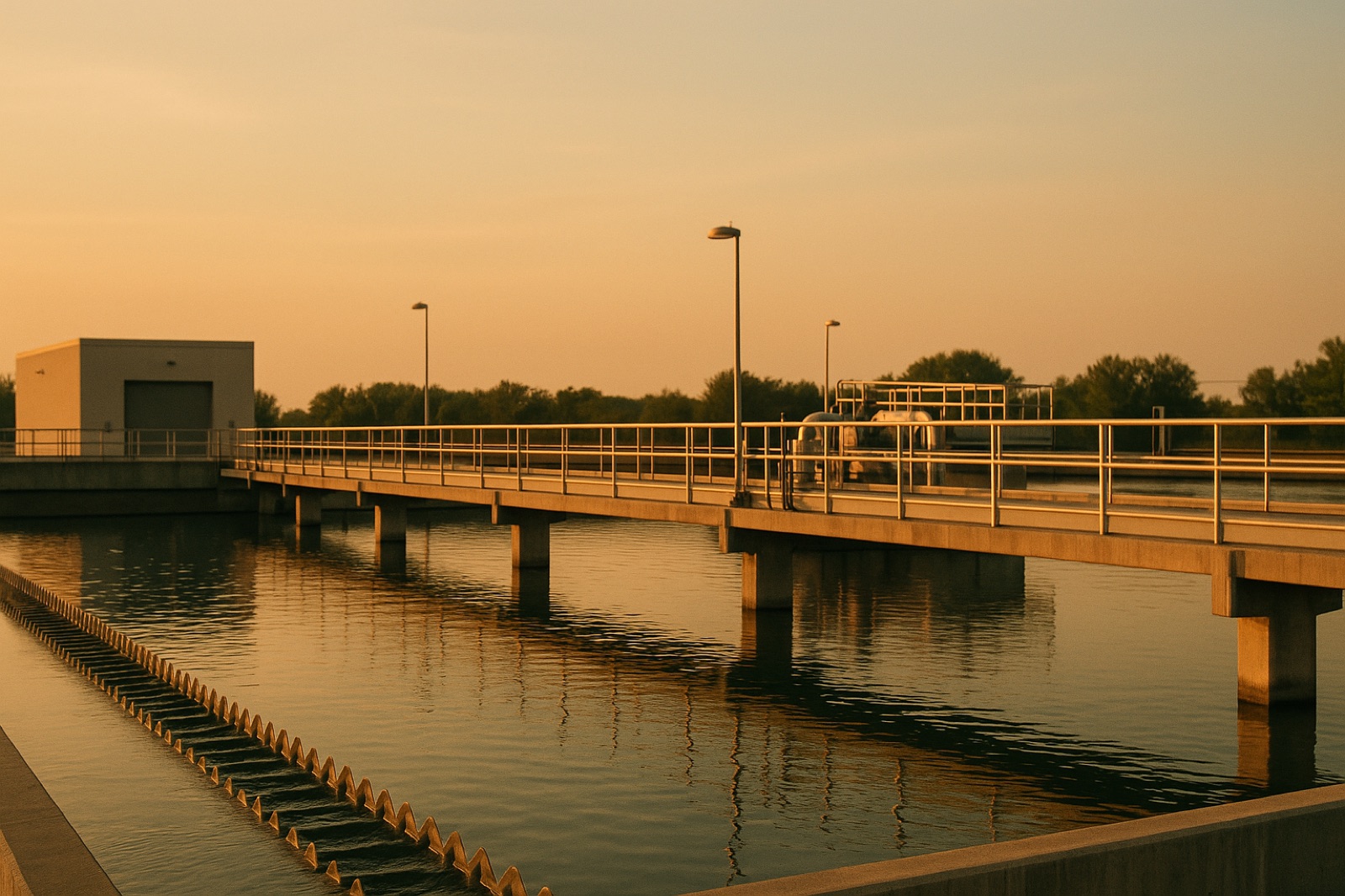
The water sector in the Midwest faces a significant challenge: a shortage of skilled workers to manage and maintain aging infrastructure. This issue has garnered attention recently, particularly as the U.S. Environmental Protection Agency (EPA) announced the availability of $10.8 million in grant funding aimed at enhancing recruitment and training for the water sector workforce. As we explore the implications of this funding, it is essential to understand how water systems operate and the critical role that a trained workforce plays in their efficiency and safety.
The Importance of Workforce Development in Water Systems
Water systems consist of extensive networks that include treatment plants, distribution pipelines, and monitoring systems. These systems require a variety of professionals, including engineers, operators, and maintenance technicians, to ensure that they function effectively. A well-trained workforce can help mitigate issues such as leaks, contamination, and system failures, which can have far-reaching impacts on public health and the environment.
In many Midwestern states, water utilities are struggling to fill critical positions. Many workers are reaching retirement age, and there are not enough new recruits to take their place. This workforce gap can lead to increased workloads for remaining staff, potentially resulting in burnout and mistakes that can compromise water quality.
Exploring the EPA’s Funding Initiative
The EPA’s recent announcement of a $10.8 million grant for workforce training is a crucial step towards addressing these challenges. According to the EPA, enhancing recruitment and training for workers in the water sector is more important than ever. This funding can be used by local utilities and organizations to develop training programs that focus on modern technologies, regulatory compliance, and best practices in water management.
This initiative could provide a pathway for individuals interested in pursuing careers in the water sector, particularly in underserved communities. By focusing on recruitment and training, the EPA aims to build a diverse workforce that reflects the communities they serve. Such efforts can enhance not only job opportunities but also public trust in local water systems.
The Role of Educational Institutions
To maximize the impact of this funding, collaboration with educational institutions will be essential. Community colleges and vocational training centers can play a vital role in developing curricula that align with the needs of local water utilities. They can offer hands-on training and certification programs that prepare students for immediate employment in local water systems.
Additionally, partnerships with existing water utilities can facilitate internships and job shadowing opportunities, further bridging the gap between education and practical application. These initiatives can help demystify the water sector for young people, encouraging them to consider careers in this vital field.
Looking Ahead: Building Resilience Through Training
As the Midwest continues to face challenges related to aging infrastructure and climate change, a skilled water workforce will be critical to building resilience in our water systems. Investments in training and recruitment can significantly improve the ability of water utilities to adapt to changing conditions and to ensure the delivery of safe drinking water.
Moreover, strengthening the water workforce contributes to broader community goals, such as economic development and sustainability. A robust water sector can drive innovation and efficiency, leading to improved service and lower costs for consumers.
In conclusion, the $10.8 million grant announced by the EPA signals a positive shift in addressing workforce shortages in the water sector. By focusing on training and recruitment, we can build a more resilient and effective water infrastructure in the Midwest. As communities and utilities come together to take advantage of this funding, they will not only enhance operational capabilities but also foster a new generation of water professionals committed to safeguarding our most vital resource.