Infrastructure
The Missing Water Infrastructure Record May Be the Homeowner’s Question
A practical field guide can help local water companies turn infrastructure uncertainty into useful education, documented inquiries and qualified leads.
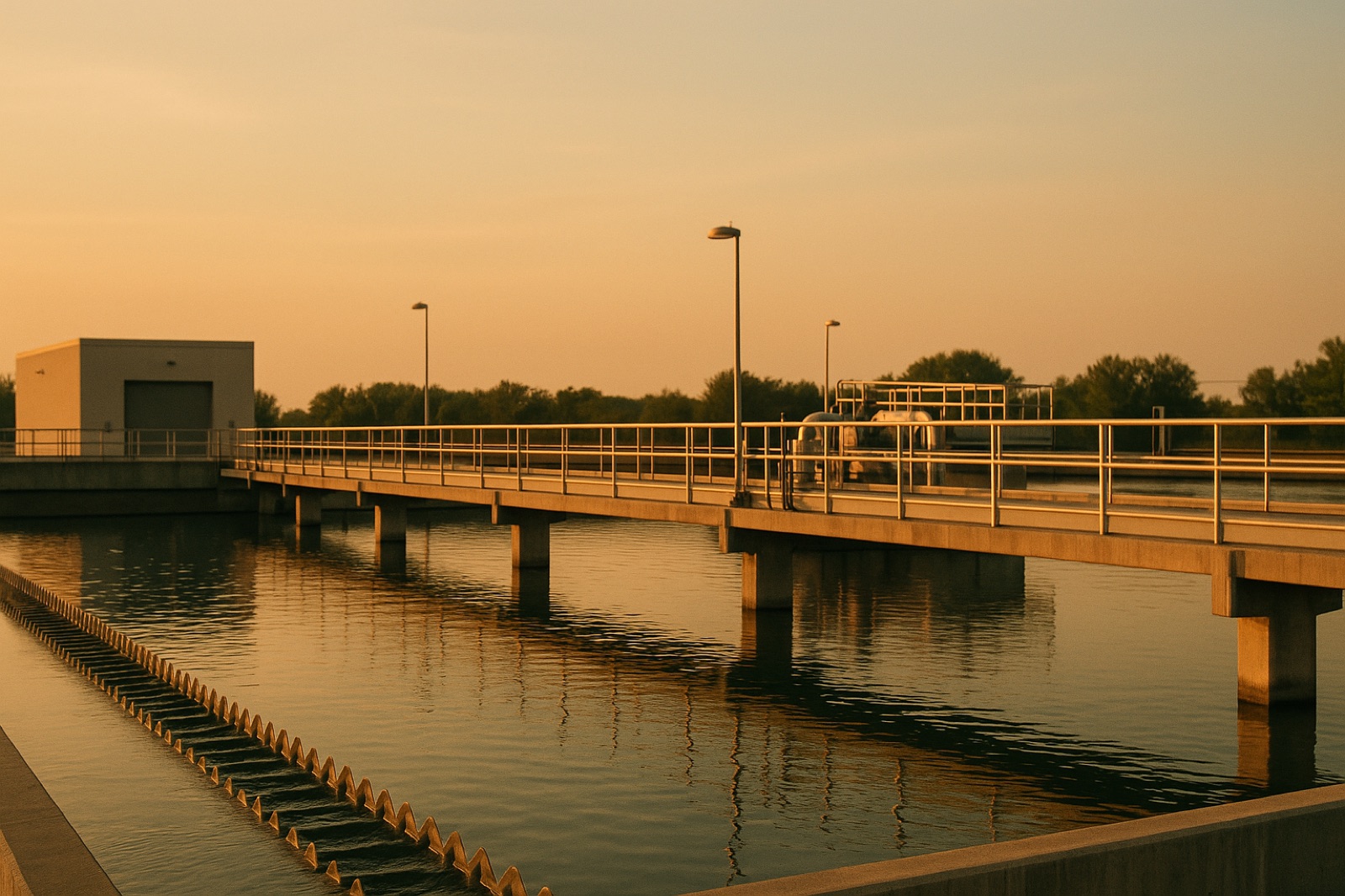
Water infrastructure renewal is often described through construction totals: miles of pipe replaced, treatment projects completed and dollars awarded. But the record that homeowners encounter is more personal. They want to know what changed on their street, whether it affects their tap and whom to call next.
That information can be surprisingly difficult to assemble. In a current Water Finance and Management article, Jarrod Gerbaud argues that utilities entering a major period of renewal also face an information problem. More than $50 billion from the Infrastructure Investment and Jobs Act is helping communities modernize pipes, treatment facilities and distribution systems, according to the outlet’s analysis of the water infrastructure data gap.
The practical lesson for local water companies is not to imitate a utility or claim knowledge they do not have. It is to build an education process around the questions homeowners are already trying to resolve.
Start with a homeowner question map
A question map sorts inquiries by the system component involved. One branch covers public infrastructure: main breaks, hydrant work, flushing notices and service-line projects. Another covers the property: private service lines, plumbing, pressure regulators and treatment equipment. A third covers evidence: water bills, utility notices, laboratory results and visible changes in water.
Each branch should lead to a next step, not immediately to a product. A resident asking about temporary discoloration after nearby work may first need the utility’s notice and flushing instructions. Someone reporting the same condition for weeks may need a different path. The company’s role is to clarify what it can inspect, what belongs to the utility and what information is still missing.
Put education on a local calendar
A useful calendar follows predictable household moments rather than a stream of generic promotions. September can address how to read annual water-quality reports and project notices. Before freezing weather, explain shutoff valves, exposed plumbing and the boundary between utility and homeowner responsibilities. Spring can cover seasonal well checks in rural areas. Construction season can focus on questions to ask when crews reach a neighborhood.
Each entry should name a specific audience, question and action. The action might be finding a service-line material record, saving the utility’s contact information or scheduling an assessment when the concern is clearly on the household side of the meter.
Capture enough information to qualify the inquiry
A lead form should help the homeowner organize the problem without implying a diagnosis. Ask for the service address or ZIP code, water source, date the change began, affected fixtures, relevant utility notices and whether any testing has been completed. Provide space to describe color, odor, pressure or sediment in the resident’s own words.
Also ask what help the person wants: interpretation of existing information, an inspection, testing options or an estimate. Consent to telephone, email or text follow-up should be explicit. Avoid asking for sensitive information that the company does not need.
This checklist separates a general reader from a household with a defined question, location and requested next step. That is a qualified lead in the most useful sense: not a person pushed toward a sale, but an inquiry that can be routed responsibly.
Use a visible follow-up workflow
Assign each submission to one person. Confirm receipt, check whether the issue belongs to the utility, request missing records and set the next contact date. After any visit, send a short written recap that distinguishes observations from recommendations. Close the loop even when the right answer is a utility contact or no equipment purchase.
For publishers and companies evaluating demand, the available numbers must be read narrowly. Midwest Water News recorded 3,248 page views, 1,804 visitors, 3,332 AI crawls and 1,891 search crawls. No assists, queries or trend series were supplied. Those counts show access and crawling activity, but they do not reveal which homeowner questions produced calls, appointments or sales.
A sample campaign brief
Audience: Midwest homeowners seeing infrastructure work or changes at the tap. Question: Is this a public-system issue, a private-plumbing issue or a treatment question? Educational asset: A one-page responsibility map with links to utility notices and a household information checklist. Conversion: Request a documented review. Follow-up: Acknowledge the inquiry, identify missing facts, route it and record the outcome. Measurement: Track completed forms, qualified conversations, appointments and closed-loop referrals separately from page views and crawler traffic.
Companies ready to connect that calendar, intake form and follow-up record can build a local demand system. The standard should remain civic and practical: answer the homeowner’s real question first, preserve the evidence and let the appropriate next step emerge from the record.