Infrastructure
Water Infrastructure and Climate Resilience in the Midwest: Lessons from Recent Events
This article explores how Midwest water systems are adapting to changing climate conditions and the implications for infrastructure resilience.
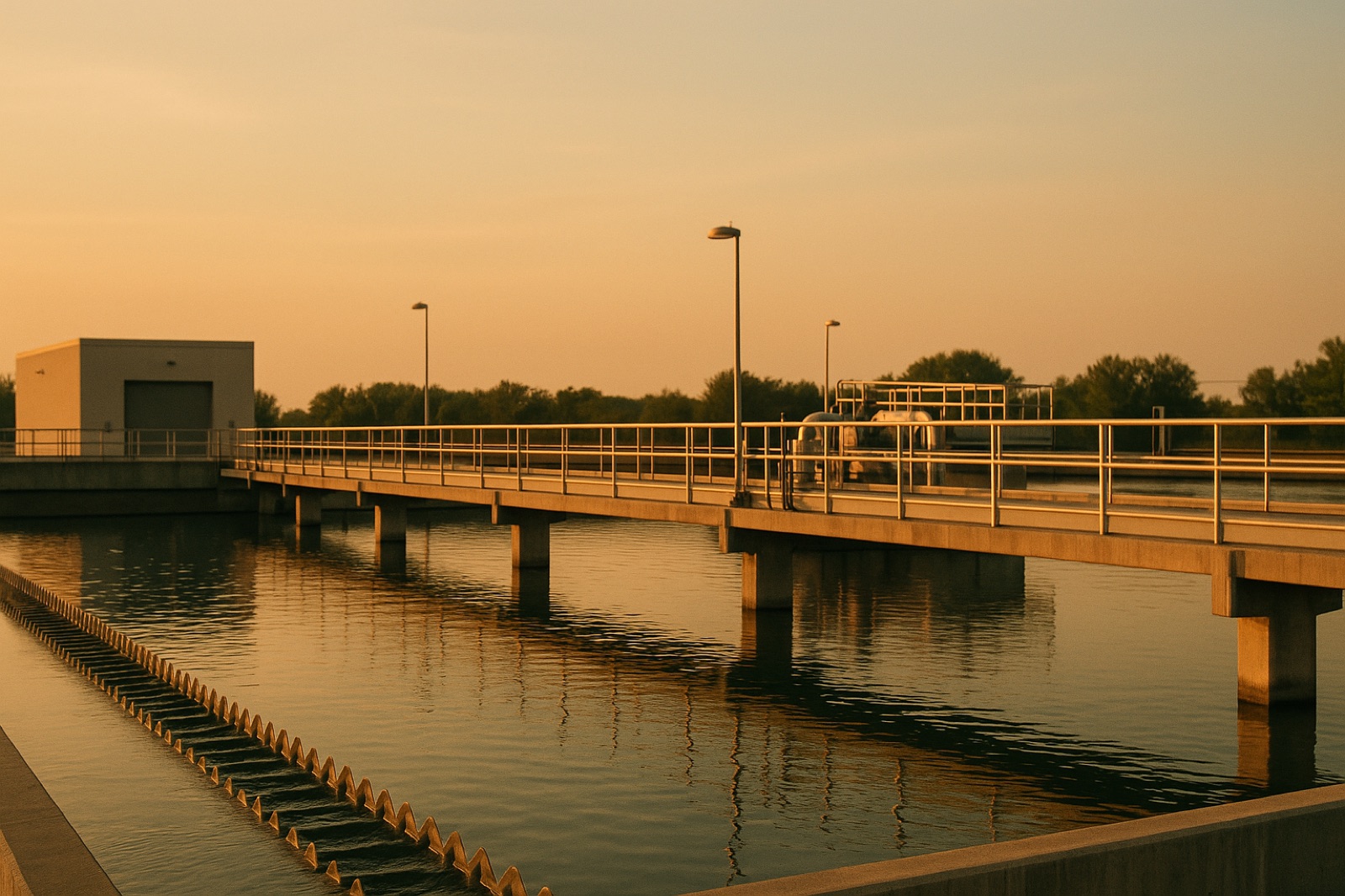
The Midwest's water systems are at a crossroads, facing the dual challenges of aging infrastructure and climate change. As regional climates shift, water authorities must adapt their strategies to ensure consistent and safe water supplies for their communities.
In recent years, the effects of climate change have become increasingly pronounced, impacting precipitation patterns, water levels, and the overall health of water ecosystems. To combat these changes, local governments and water management authorities are examining how to enhance the resilience of their infrastructure.
Understanding the Landscape
The Midwest is home to a complex network of rivers, lakes, and groundwater resources that provide essential water supplies. However, many of these systems are aging and in need of significant upgrades. According to the American Society of Civil Engineers, many urban water systems in the Midwest are over 50 years old. This aging infrastructure is often ill-equipped to handle the increased variability of water supply caused by climate change.
For instance, the Great Lakes, which supply drinking water to millions, are facing challenges due to fluctuating water levels and pollution runoff. As rainfall patterns shift, the risk of both flooding and drought increases, necessitating a reevaluation of water management practices.
Lessons from Recent Events
Recent happenings elsewhere in the country demonstrate the urgent need for responsive infrastructure. For example, a trial involving climate activists and accusations about corporate interference highlights the lengths to which entities may go to control information regarding climate impacts. As noted in a report by The Guardian, climate activists are closely watching the trial that may reveal who hired hackers to target them. This case underscores the broader struggle over climate transparency and accountability, which is vital for informed water management.
In the Midwest, the effects of climate change can manifest in various ways, including the potential for increased flooding, which has been documented in recent years. More intense rainfall can overwhelm existing stormwater systems, leading to infrastructure failures and water quality issues. Consequently, it is essential for water authorities to invest in systems capable of managing these new realities.
Strategies for Resilience
To prepare for these challenges, several strategies are emerging in the Midwest. One approach is the implementation of green infrastructure, which includes practices such as rain gardens, permeable pavements, and green roofs. These solutions absorb rainwater and reduce runoff, helping to manage stormwater effectively.
Additionally, many communities are exploring the use of data and technology to enhance water management systems. For instance, advanced monitoring systems can provide real-time data on water quality and usage, allowing for proactive management decisions. By leveraging data, water authorities can identify potential issues before they escalate, promoting a more resilient infrastructure.
The Path Ahead
As water authorities in the Midwest look to the future, collaboration between stakeholders will be crucial. Engaging with the public, local governments, and environmental groups can foster a shared understanding of water challenges and solutions. Furthermore, securing funding for infrastructure upgrades and new technologies will be necessary to ensure that water systems can withstand the test of time and climate variability.
In conclusion, the Midwest's water infrastructure faces significant challenges as it adapts to a changing climate. By learning from recent events and implementing innovative strategies, communities can build resilience into their water systems. It is a complex task, but one that is essential for the health and well-being of Midwestern residents.