Infrastructure
The Challenge of Aging Infrastructure in the Midwest: A Call for Action
Exploring the significance of updating water systems in Midwestern states to ensure clean and reliable water access.
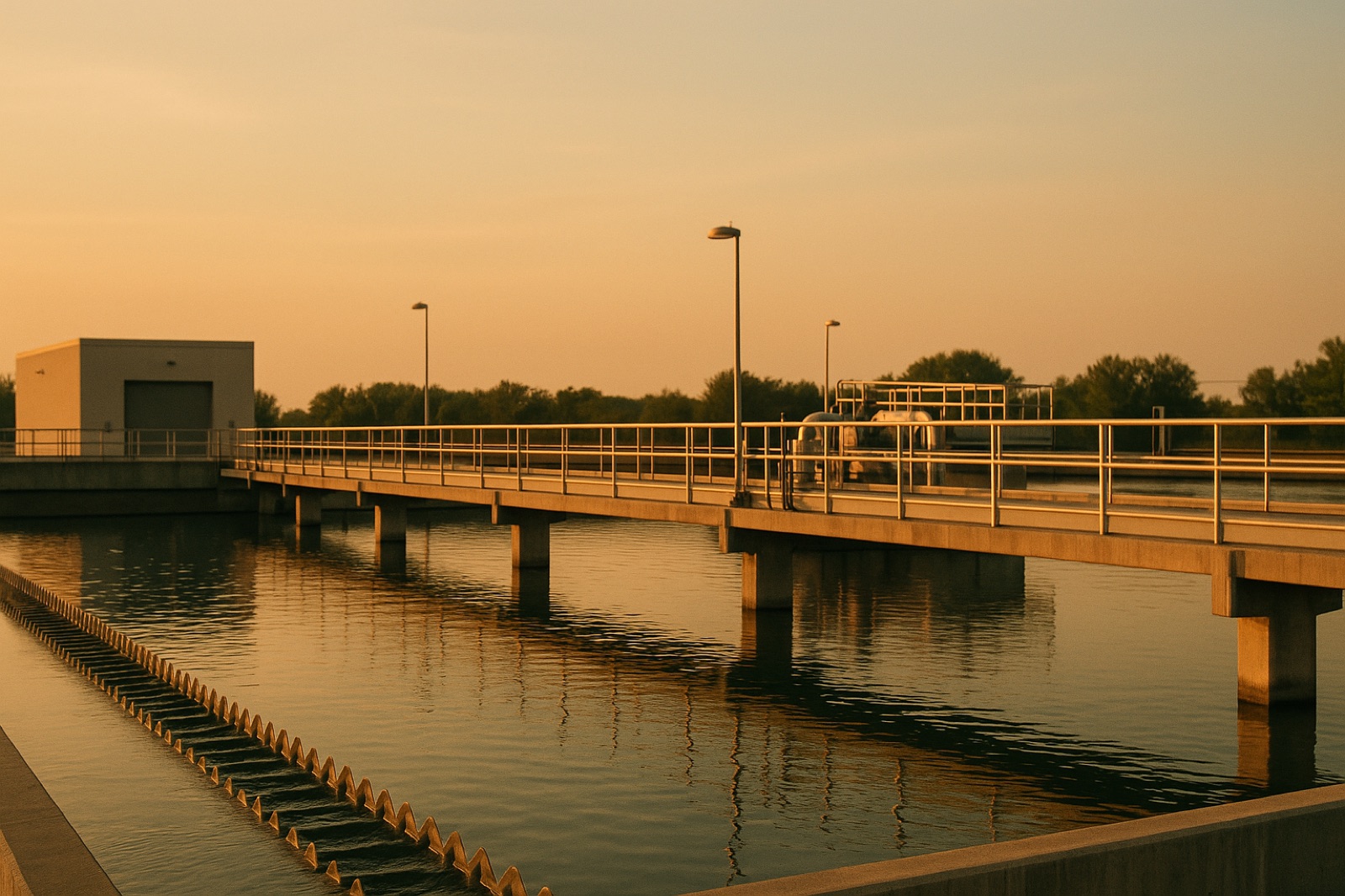
The Midwest is home to a vast network of water infrastructure that has served communities for decades. However, much of this infrastructure is aging and in need of repair or replacement. As climate change increases strain on these systems, the need for proactive measures has never been more urgent.
The State of Water Infrastructure
Across the Midwest, many water systems were established in the early to mid-20th century. While these systems were designed to meet the demands of growing populations, they now face challenges posed by both time and climate change. Aging pipes, outdated treatment facilities, and inadequate capacity to handle extreme weather events can compromise water quality and availability.
According to the American Society of Civil Engineers, a considerable portion of the Midwest’s water infrastructure is at risk of failure. Cities are grappling with the implications of failing systems, which can include everything from water main breaks to contamination. The need for investment in infrastructure has been highlighted by various studies and reports, emphasizing the importance of modernization.
Climate Change's Role
Climate change is a pressing issue that compounds the challenges of aging infrastructure. Altered precipitation patterns, increased frequency of storms, and prolonged droughts are all impacting water systems. For instance, the Great Lakes region has seen fluctuations in water levels, which can affect water quality and the functioning of treatment plants. As these systems confront more extreme weather, their resilience will be tested.
Recent discussions around climate adaptation stress the importance of not only maintaining current infrastructure but also investing in innovative solutions. “Surviving extreme heat increasingly boils down to this: access to air conditioning,” as noted in a recent article from The Guardian. While this focuses on air conditioning, the sentiment can be applied to water infrastructure - communities that lack the resources to adapt will struggle more than others.
Local Initiatives and Funding Solutions
In response to these challenges, local governments and organizations are taking steps to address infrastructure needs. Many cities in the Midwest are looking to update their water systems through a combination of local funding, state and federal assistance, and public-private partnerships. Strategies include replacing old pipes, upgrading treatment plants, and implementing green infrastructure to reduce runoff and improve water quality.
The Biden administration’s infrastructure plan could provide much-needed financial support for these efforts, though the competition for funding is likely to be fierce. Community leaders are urged to act swiftly to assess their needs and prepare proposals that align with federal priorities. According to experts, the future of water infrastructure will depend on a combination of innovative thinking, sound investment strategies, and community engagement.
The Path Forward
As the Midwest grapples with its aging water infrastructure, it faces both challenges and opportunities. The conversation is shifting from merely maintaining existing systems to reimagining how water is managed and delivered. Communities must consider resilience as a key factor in their planning efforts.
Ultimately, the success of these initiatives will hinge on collaborative efforts among various stakeholders, including local governments, environmental organizations, and citizens. A well-maintained and modernized water system is not just a matter of convenience; it is essential for public health and the economic vitality of the region.
The need for action is clear. Without significant investment and forward-thinking strategies, the Midwest risks facing a water crisis that could have devastating consequences for its residents.