Infrastructure
A Digital Water Utility Still Needs a Human Answer Desk
A practical field guide helps local water companies turn utility technology news into useful homeowner education and responsibly qualified leads.
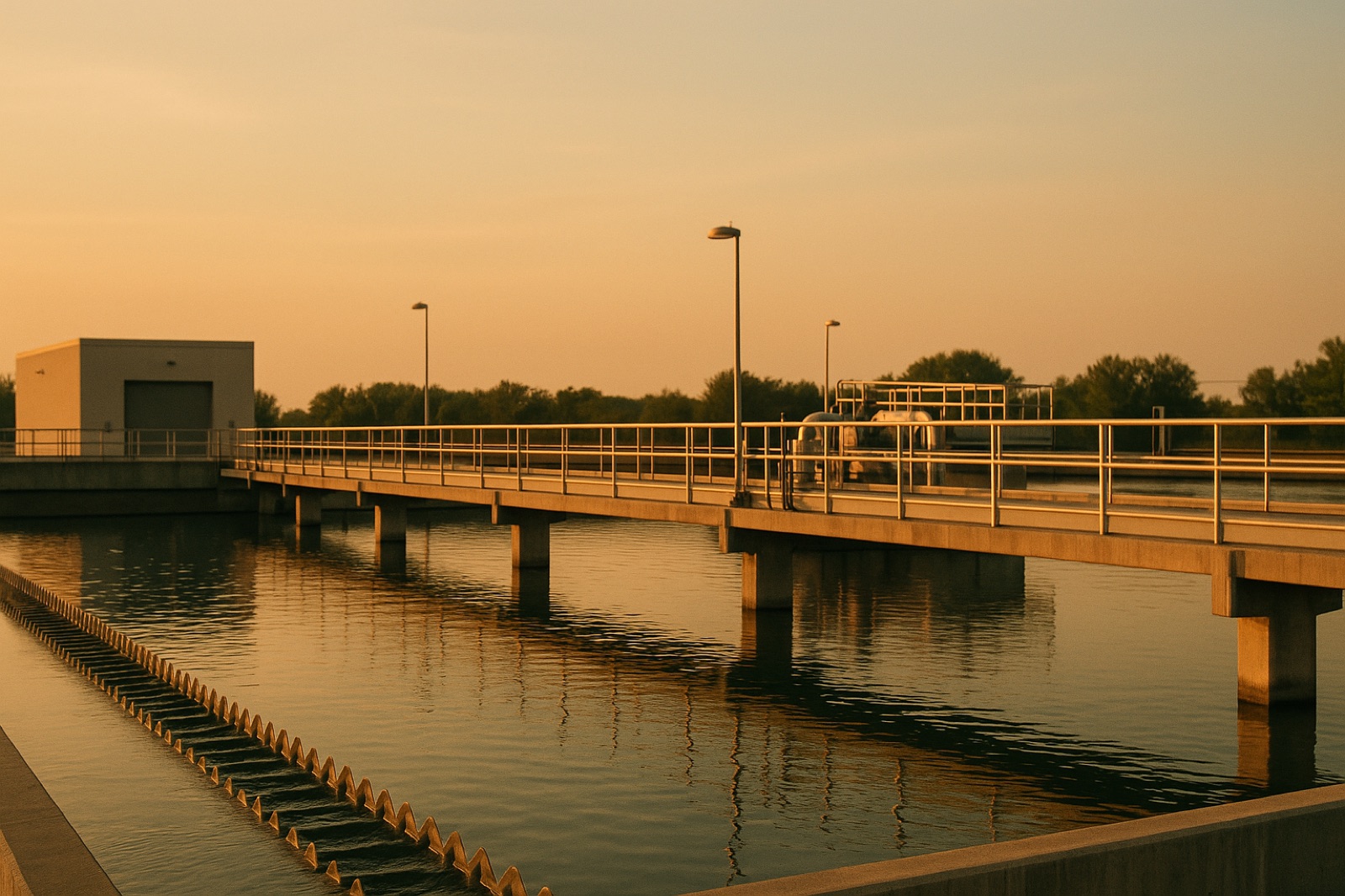
Water utilities increasingly operate through layers of digital infrastructure that most customers never see. Supervisory control and data acquisition systems monitor operations. Geographic information systems organize information by location. Asset management platforms track equipment, while smart meters can provide more detailed usage records.
Water Finance and Management reports that these foundational tools are now standard in many operations in its look at the next phase of utility digital transformation. The development creates an education opportunity for local water companies, but not permission to turn every technology story into a sales pitch.
The useful question is narrower: What might a homeowner reasonably want to understand after hearing that a utility is becoming more digital?
Start with a homeowner question map
A question map organizes education around the decisions people actually face. For digital water infrastructure, it can begin with five branches:
What does the utility measure? What information can a customer see? Who responds when a meter indicates unusual use? Which problems belong to the utility, and which belong to the property owner? When would testing or an on-site assessment add information that a digital record cannot provide?
Each branch should lead to a plain-language resource, not automatically to a quote request. A smart meter may help describe when water moved through a meter. It does not, by itself, identify every fixture involved or establish the condition of water inside a house. Similarly, a utility map and a contractor's inspection answer different questions.
This distinction helps a local company recognize a qualified lead. The strongest signal is not that someone downloaded a general guide. It is that the homeowner has identified a specific property, problem, responsibility question and next step that the company can competently address.
Build a local education calendar
A calendar can translate one infrastructure topic into four weeks of useful material without repeating the same sales message.
Week one can explain the basic vocabulary: meter, service line, shutoff, customer portal and usage alert. Week two can offer a worksheet for comparing a utility record with observations inside the home. Week three can host a short question session about the boundary between utility and homeowner responsibility. Week four can publish a decision guide describing when to call the utility, a plumber, a laboratory or a water treatment company.
The calendar should include a review date. Utility terminology, customer portals and local responsibilities can vary. Before publication, each item should be checked against the applicable utility's own public information. Where the company lacks an answer, the copy should say so.
Use a lead-capture checklist
A useful form asks only for information needed to choose the next educational or service step. It can collect:
The ZIP code and water source, the homeowner's question, when the issue was first noticed, whether the utility has already been contacted, what records or test results exist, and the preferred form of follow-up. The form should also explain what will happen after submission.
Avoid treating a click as proof of a water problem. Midwest Water News currently records 3,248 page views, 1,804 visitors, 3,332 AI crawls and 1,891 search crawls. No assists, queries or trend series were supplied. Those figures describe site activity, but they do not show which questions produced appointments or revenue. Crawlers are not homeowners, and page views are not diagnoses.
For a company seeking to build a local demand system, the measurement plan should therefore connect each educational item to a clearly labeled action and a documented outcome. A relevant water-marketing service or case-study page should replace the general destination once one is confirmed.
Create a follow-up workflow
After a form arrives, the first response should sort the question, not rush to sell equipment. Route utility billing and meter-account questions back to the utility. Route plumbing questions to the appropriate trade. Reserve treatment conversations for cases where the homeowner is asking about water characteristics or a documented concern that the company can evaluate.
Record the source article or event, the question asked, the resource sent, the next agreed action and whether the person requested further contact. A short closing note should also document when no service was recommended. That record helps the company learn which education is useful without pretending that every interaction became a lead.
A sample campaign brief
Audience: homeowners encountering smart-meter or digital-utility information. Question: What does the new information tell me, and what remains unknown? Offer: a one-page meter-to-house question map. Local proof: links to the utility's own published customer information. Primary action: submit one property-specific question. Qualification: known location, defined concern, relevant records and permission to follow up. Success measure: answered questions, appropriate referrals and requested assessments, reported separately from page views and crawler traffic.
Digital transformation may occur inside utility operations, but public understanding develops one question at a time. Local water companies can be useful at that boundary when they explain what a system knows, what it does not know and who should take the next call.