Infrastructure
Understanding the Role of Advanced Metering Infrastructure in Water Management
Advanced metering infrastructure offers resources for efficient water management in the Midwest.
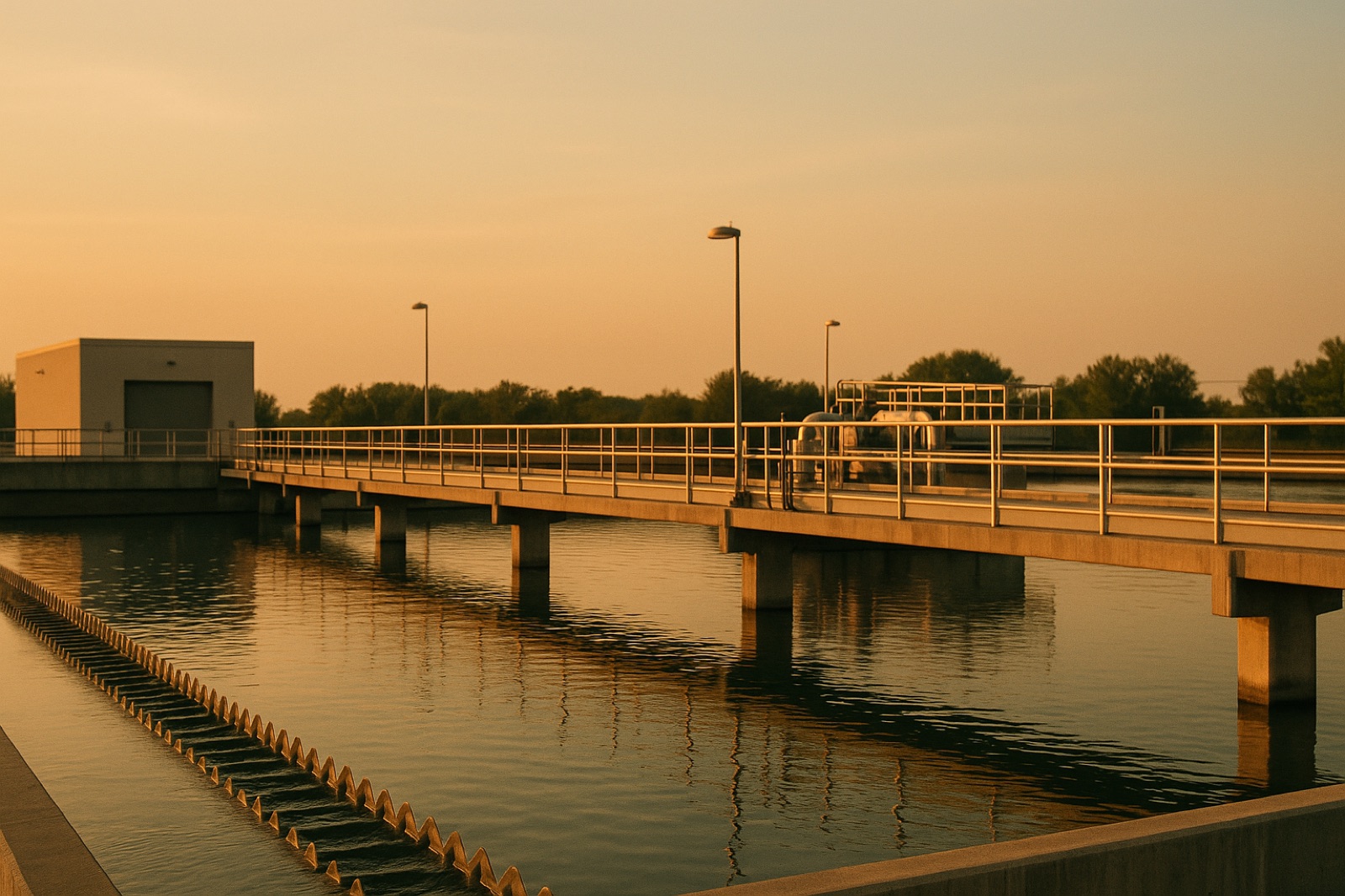
As water systems across the Midwest face increasing challenges related to aging infrastructure and contamination, the adoption of advanced metering infrastructure (AMI) has emerged as a crucial resource. AMI consists of automated systems that enable utilities to monitor water usage and manage resources more effectively. This technology not only improves billing accuracy but also plays a vital role in detecting leaks, conserving water, and ultimately enhancing public trust in local water systems.
What is Advanced Metering Infrastructure?
At its core, advanced metering infrastructure includes smart water meters that communicate data in real-time to utility providers. Unlike traditional meters, which require manual readings, smart meters automatically track water consumption and transmit this information back to the utility. This allows for more timely billing cycles and can alert utilities to unusual consumption patterns that may indicate leaks or other issues.
According to a report from Water Finance and Management, the implementation of AMI has been particularly impactful in cities like Jackson, Mississippi, where systems have faced significant challenges related to non-revenue water. Non-revenue water refers to the water that is produced but not billed to customers, often due to leaks, theft, or faulty meters. By employing advanced metering technologies, Jackson has begun to turn around its situation, reversing the trend of lost revenue and restoring public trust in its water utility.
Benefits for Midwest Water Systems
For Midwest communities, the benefits of AMI extend beyond just accurate billing. One of the most significant advantages is the ability to monitor water use patterns. Utilities can identify high-usage areas, which may indicate leaks or inefficiencies in the water distribution system. This proactive approach can save substantial amounts of water, which is particularly valuable in regions dealing with the long-term effects of climate change and increasing demand.
Moreover, AMI can facilitate better engagement between utilities and residents. With access to their own consumption data, customers can make informed decisions about their water use, potentially leading to more responsible consumption practices. Additionally, utilities can use this data to plan for future infrastructure needs, ensuring that resources are allocated efficiently.
Challenges to Adoption
Despite the advantages, the transition to advanced metering infrastructure is not without challenges. The initial investment in smart meter technology and the necessary infrastructure can be significant. Smaller utilities, in particular, may struggle with the upfront costs and technical requirements. Furthermore, there is a need for adequate training for utility staff and outreach to community members to ensure that the benefits of AMI are fully understood and realized.
Public concerns about data privacy can also present obstacles. Residents may be wary of how their consumption data is used and who has access to it. Utilities will need to prioritize transparency and communication to effectively address these concerns. Establishing trust will be crucial for the successful implementation of AMI systems.
The Road Ahead
As the Midwest grapples with pressing water management issues, the adoption of advanced metering infrastructure could prove to be a game-changer. With the potential to enhance efficiency, reduce waste, and improve community trust, AMI represents a forward-thinking solution to some of the region's most challenging water problems.
Local advocacy for funding and support for AMI projects will be essential in the coming years. As communities work to modernize their water systems, embracing technologies that enable smarter management and greater accountability will be a vital step toward ensuring sustainable water resources for future generations.