Infrastructure
The Role of Clean Water Utilities in Addressing Climate Challenges
Clean water utilities play a vital role in managing water resources amid increasing climate pressures.
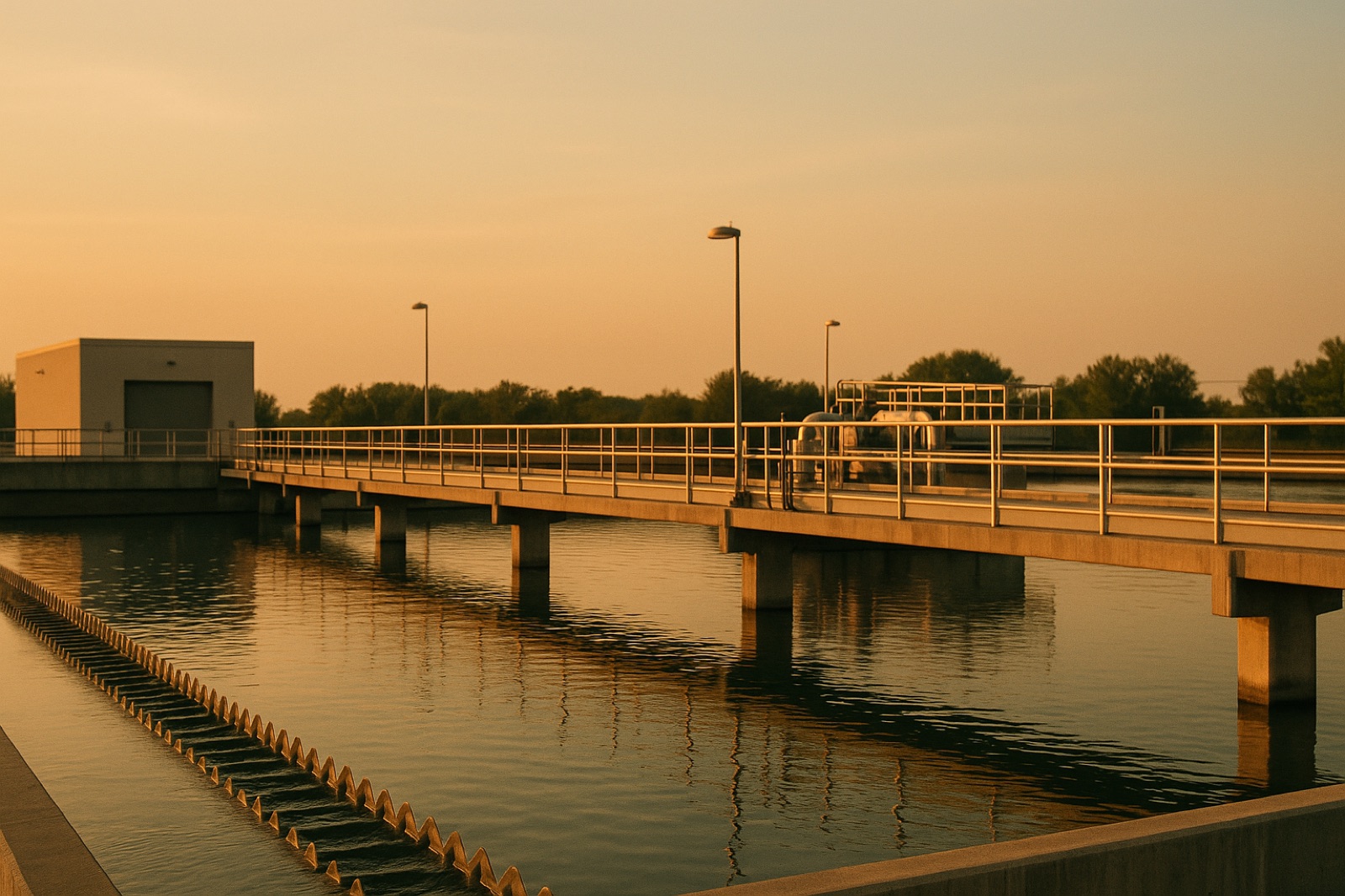
The impacts of climate change are becoming increasingly clear, and water systems across the Midwest are not immune. From increased rainfall to extreme heat, local utilities face challenges that require not only adaptive strategies but also innovative technologies to ensure the delivery of safe and reliable water.
One recent highlight in the realm of clean water management is the recognition of outstanding clean water utilities by the National Association of Clean Water Agencies (NACWA). This event, held at the Utility Leadership Conference in Cleveland, Ohio, showcased utilities that excel in performance and leadership, emphasizing the critical role they play in safeguarding local water resources amid a changing climate. According to the NACWA, these top-performing utilities are setting standards that others can emulate.
Understanding Clean Water Utilities
Clean water utilities operate the infrastructure needed to collect, treat, and distribute water in urban and rural areas. They are responsible for ensuring that water meets safety standards and is available to residents, businesses, and industries. In the Midwest, many communities rely on these utilities not just for drinking water but also for managing stormwater runoff and protecting water quality in rivers and lakes.
As climate change exacerbates weather extremes, clean water utilities are adapting their operations to meet new challenges. For example, cities are experiencing more frequent and intense rainstorms, leading to increased stormwater runoff. This can overwhelm existing drainage systems, causing flooding and water quality issues. Utilities are investing in green infrastructure solutions, such as permeable pavements and green roofs, to help manage stormwater more effectively.
Investment and Innovation
Investment in infrastructure is crucial for these utilities to maintain and enhance their services. Upgrading aging systems and expanding capacity is essential as populations grow and climate impacts intensify. The NACWA awards highlight how some utilities are not only upgrading their facilities but also implementing innovative technologies to improve efficiency and resilience.
This includes adopting advanced treatment processes that allow for the removal of contaminants that may not have been addressed in the past. For instance, many utilities are exploring new filtration methods and biotechnologies to enhance their treatment capabilities. Such innovations not only ensure compliance with strict water quality regulations but also provide a buffer against unpredictable environmental changes.
Community Engagement
Moreover, the role of community engagement cannot be overstated. Clean water utilities must communicate effectively with the public about the importance of water conservation and the need for infrastructure investments. Engaging residents in discussions about water usage, conservation, and local initiatives fosters a sense of ownership and responsibility. This is particularly important as climate change may necessitate more stringent water use regulations and conservation efforts.
Utilities that prioritize transparency and community education can build trust and support for necessary changes. Furthermore, well-informed communities are more likely to adapt to and support initiatives aimed at improving water management as they understand the direct impact of climate change on their local environment.
A Collaborative Future
Looking ahead, collaboration among various stakeholders will be essential in developing effective water management strategies. This includes partnerships with local governments, environmental organizations, and state agencies. Efforts to create comprehensive water management plans that account for climate risks will be crucial in building resilience into water systems.
As highlighted in a recent article from Water Finance and Management, the recognition of leading clean water utilities reflects a growing awareness of their pivotal role in tackling climate change. Utilities that embrace innovation, engage with their communities, and invest in sustainable practices will be better positioned to navigate the complexities of our changing climate.
In conclusion, clean water utilities are on the front lines of climate adaptation in the Midwest. By investing in infrastructure and embracing new technologies while fostering community engagement, these utilities can continue to provide safe and reliable water for generations to come.