Infrastructure
The Connection Between Climate Change and Water Infrastructure in the Midwest
Rising temperatures and shifting weather patterns challenge aging water systems across the region.
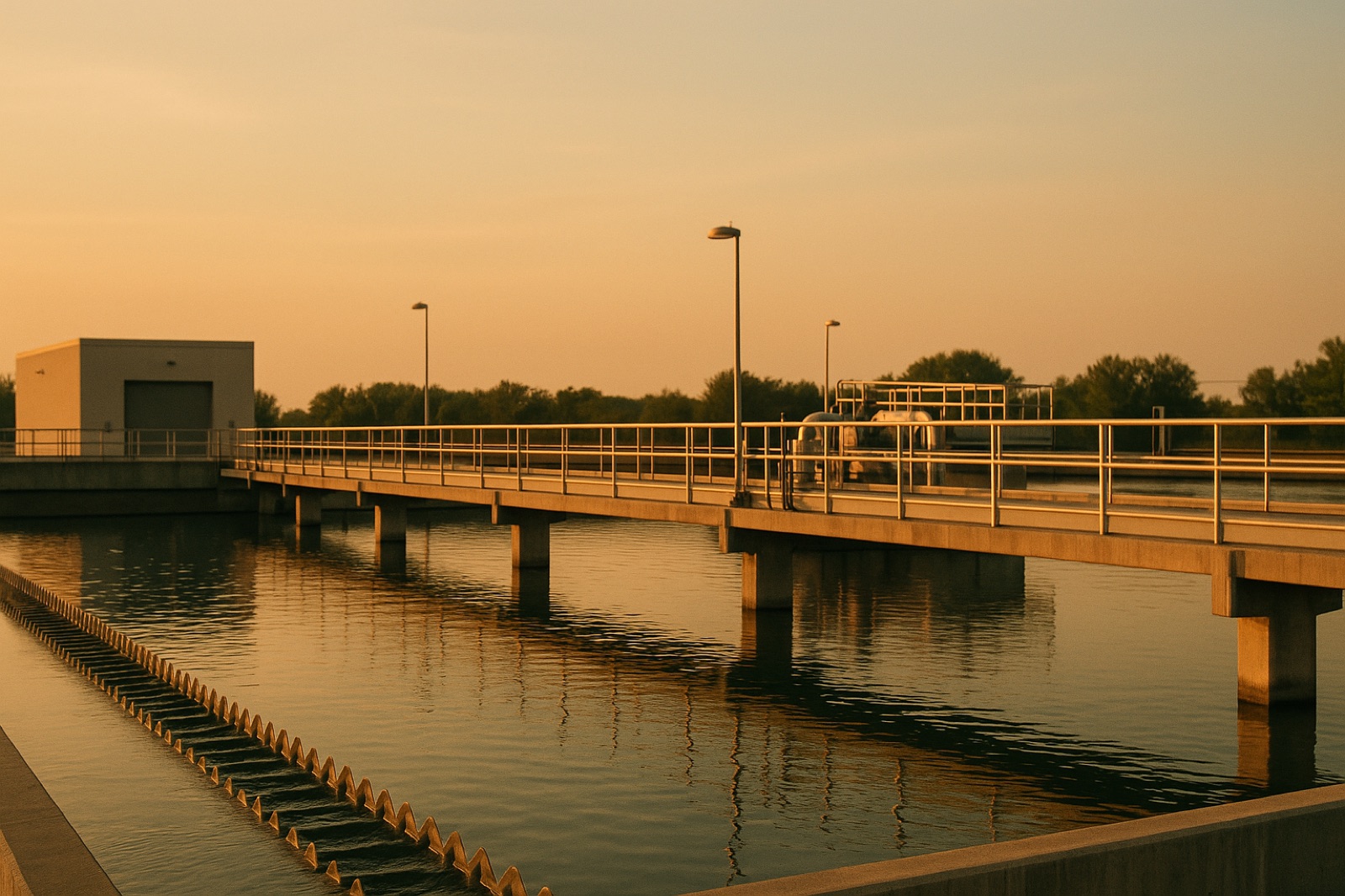
As climate change increasingly affects weather patterns and temperatures across the Midwest, local water infrastructure systems face mounting challenges. The region's water treatment facilities, pipelines, and reservoirs were designed to manage historical climate conditions, but as extremes in weather become more common, these outdated systems may struggle to cope.
Understanding the Impact of Rising Temperatures
This summer, Midwest residents have experienced record-breaking temperatures, which have heightened concerns about water usage and management. With rising temperatures comes an increased risk of drought and greater competition for water resources. This dynamic places additional stress on existing infrastructure, particularly in communities reliant on aging water systems. The recent coverage of extreme heat waves, such as that noted by Mark Wolfe in The Guardian, highlights the urgency of addressing these challenges.
Water Infrastructure Aging in Place
Many Midwest cities have water infrastructure that has not seen significant upgrades for decades. The American Society of Civil Engineers consistently rates the condition of the nation’s water infrastructure as poor, with many pipes constructed in the early to mid-20th century. In smaller towns, where budget constraints limit investment, this aging infrastructure can lead to leaks, contamination, and inefficient water delivery systems.
Moreover, climate change is not only causing higher temperatures but also increasing the frequency of intense rainfall events. This dual challenge can overwhelm systems that were not originally designed to handle such variability. When heavy rains hit, systems can become inundated, leading to potential overflow and contamination events.
Rural Water Systems and Seasonal Changes
In rural areas, the reliance on private wells adds another layer of complexity to the water infrastructure narrative. These wells are susceptible to seasonal fluctuations in water levels, which can be exacerbated by climate change. As drought conditions become more prevalent, many homeowners may find their private wells running dry or experiencing diminished water quality. This presents a critical need for regional treatment companies that test private wells to ensure safe drinking water.
Addressing the Challenges Ahead
Many Midwestern cities are starting to adopt more resilient strategies for managing water infrastructure in response to climate change. This includes implementing green infrastructure solutions, such as rain gardens and permeable pavement, which help manage stormwater and reduce the burden on existing systems. Moreover, cities are increasingly recognizing the importance of integrated water management approaches that account for both water supply and water quality, particularly in light of the aging infrastructure mentioned earlier.
Investment in upgrades will be essential for communities to adapt to these changing conditions. However, funding for such initiatives often relies on federal and state grants, which can be competitive and challenging for smaller municipalities to secure.
Looking Forward
As the Midwest grapples with these challenges, the connection between climate change and water infrastructure will only grow more pronounced. An informed public, aware of these issues, can encourage local officials to prioritize water management improvements in budgets and policy-making. Engaging with community initiatives and understanding the implications of climate change on water systems will empower residents to advocate for necessary changes.
Ultimately, the future of water infrastructure in the Midwest will depend on proactive planning and investment, ensuring that systems can withstand the effects of climate change while providing safe and reliable water for all residents.