Infrastructure
The $227 Million Investment in Tribal Water Systems: What It Means for the Midwest
An examination of how recent federal funding is aimed at improving drinking water access in Tribal communities.
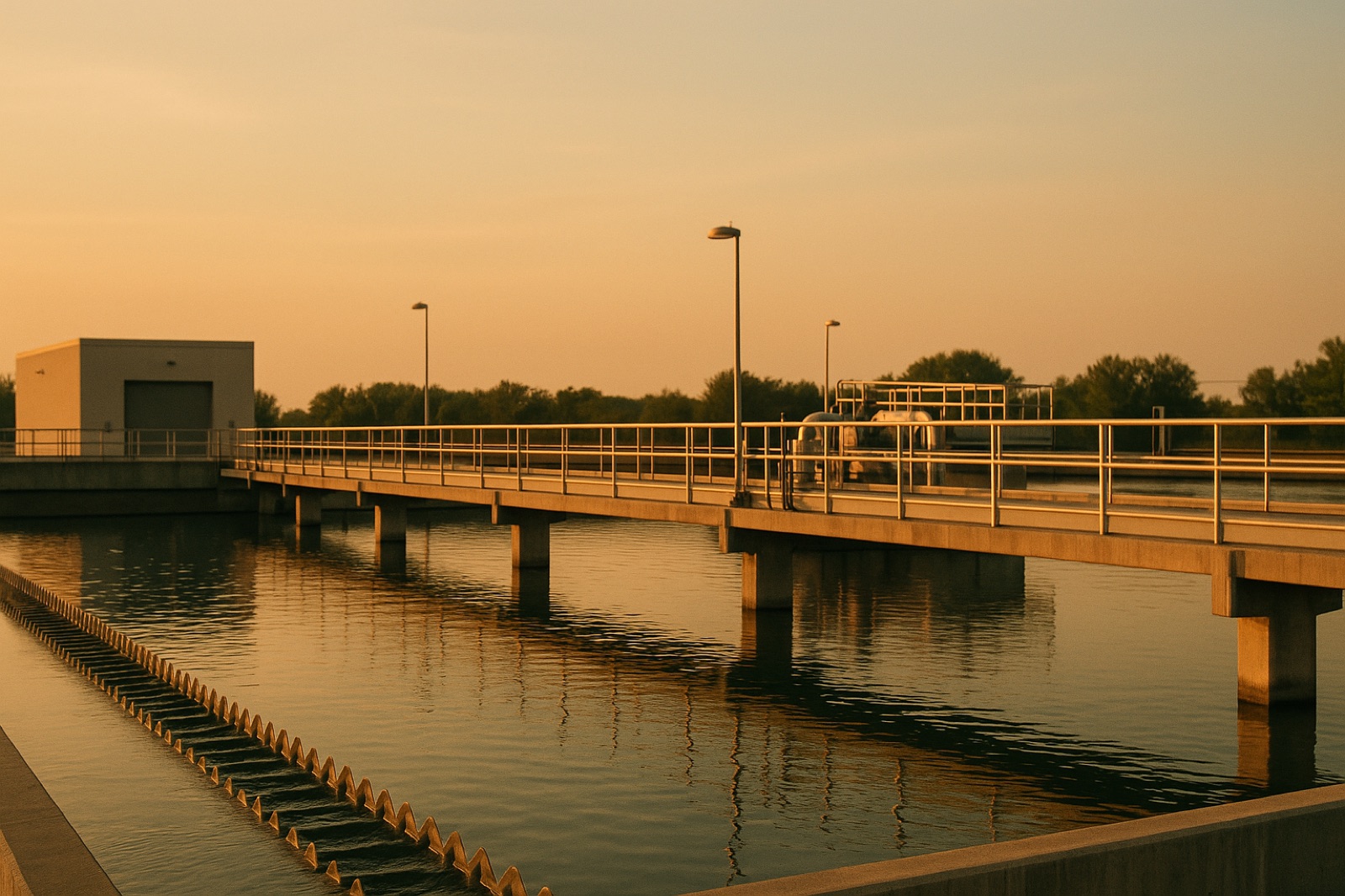
Recently, the U.S. Environmental Protection Agency (EPA) announced over $227 million in funding for American Indian Tribes and Alaska Native Villages aimed at improving drinking water and wastewater services. This funding is part of the Bipartisan Infrastructure Law, which seeks to address longstanding disparities in access to safe drinking water, particularly in underserved communities.
For many Midwest residents, the term "drinking water" often brings to mind municipal water systems, surface water sources, and the complexities of water treatment processes. However, for Indigenous communities, the challenges are often different and more acute. Many Tribal areas grapple with aging infrastructure, underfunded water systems, and in some cases, environmental contamination that complicates water safety.
The recent EPA funding is expected to provide critical resources to improve these systems, which can include everything from upgrading existing treatment facilities to establishing new water lines. The funding comes at a time when the public is increasingly aware of water quality issues, notably those related to per- and polyfluoroalkyl substances (PFAS) and microplastics.
Understanding the Impact of the Funding
The infusion of funds is not just a financial boon; it represents a recognition of the unique challenges that Tribal communities face. Many of these areas are located in remote regions, where access to modern infrastructure can be limited. According to the EPA, the funding will help Tribal communities "access safe and reliable drinking water and wastewater services." This is a crucial need, especially in light of recent studies that show widespread contamination issues in drinking water systems across the United States. For instance, the Fifth Unregulated Contaminant Monitoring Rule (UCMR 5) revealed PFAS contaminants were widely present in drinking water, sparking public concern and regulatory discussions.
As the public health implications of contaminated drinking water become clearer, improved infrastructure in Tribal communities might not only enhance quality of life but also reduce health risks associated with poor water quality. This investment is a step towards closing the gap between urban and rural water service availability, which has often left Indigenous populations at a disadvantage.
A Broader Context of Water Quality Issues
While the focus on Tribal funding is vital, it is also important to place this initiative in a broader context of water quality issues affecting the Midwest. States in this region face challenges such as agricultural runoff, aging infrastructure, and increasing demands from urban growth. For example, PFAS and microplastics have emerged as major contaminants of concern, reshaping the water regulatory landscape. As noted in a recent article by Water Finance and Management, PFAS contaminants were found widely in drinking water across the United States, leading to increasing scrutiny of water quality monitoring efforts.
This federal investment in Tribal water services can serve as a model for how similar initiatives could be developed for other underfunded areas in the Midwest. It highlights the need for ongoing collaboration between local, state, and federal agencies to address these complex issues.
Looking Ahead
Investing in water infrastructure is not simply about pipes and treatment plants; it is about ensuring that every community, regardless of its location or economic status, has access to safe and reliable drinking water. As the conversation around water quality continues to evolve, it is essential for Midwestern residents to understand the significance of such funding initiatives and advocate for sustained investment in their own communities.
In conclusion, the EPA's recent announcement of $227 million for Tribal water systems is more than just a financial commitment; it represents an opportunity to rectify historical inequities and build a healthier future for all. As the Midwest grapples with its own water challenges, this funding can inspire similar efforts to secure safe, clean drinking water for every resident.