Infrastructure
The Hidden Challenges of Water Infrastructure in the Midwest
An exploration of aging water systems and the urgent need for upgrades in the face of climate challenges.
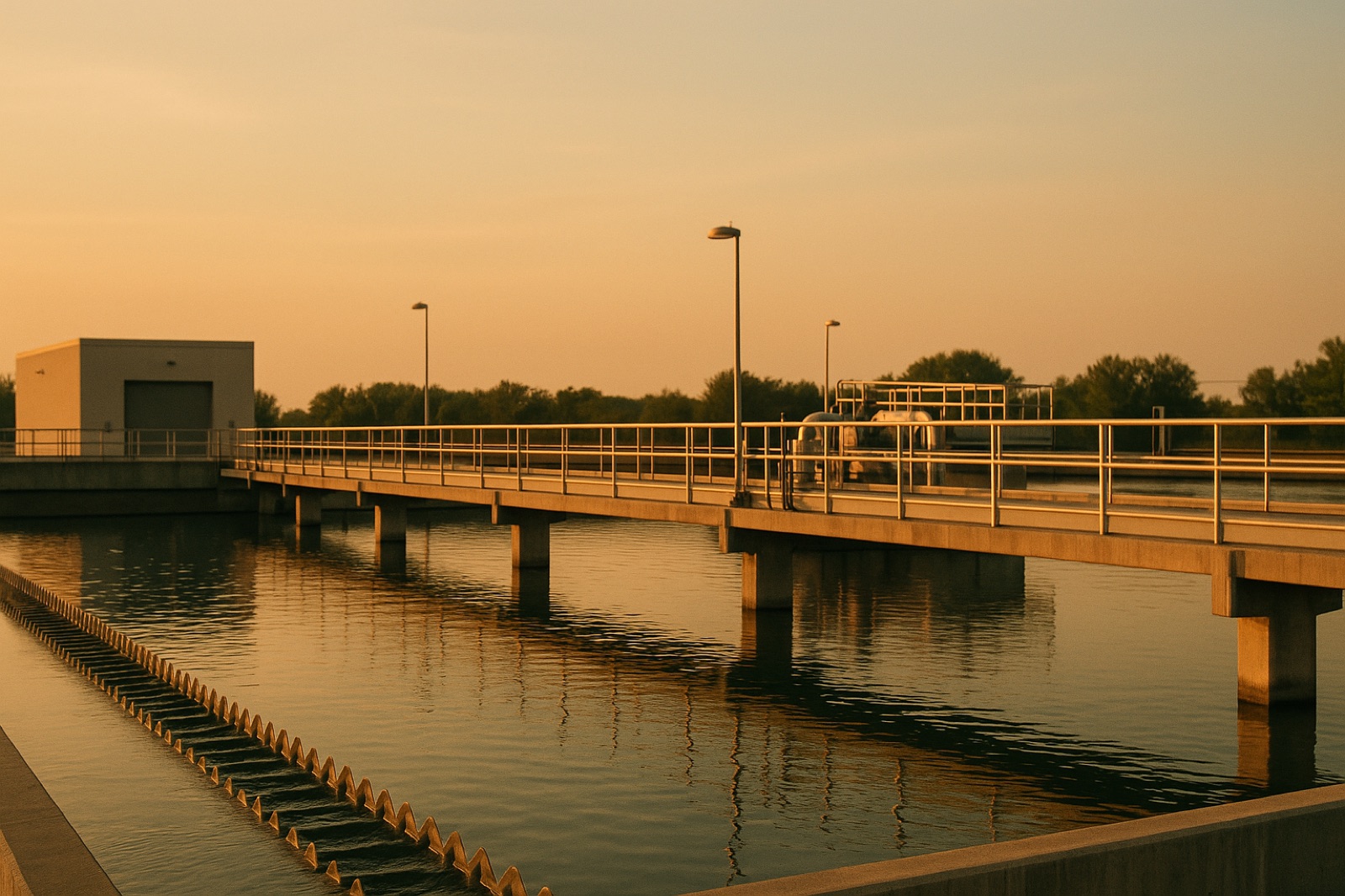
As communities across the Midwest grapple with the impacts of climate change and increasing extreme weather events, the state of water infrastructure has emerged as a pressing concern. Aging pipes, outdated treatment facilities, and underfunded systems are at risk of failing, which could have dire consequences for millions of residents. Understanding the intricacies of these systems is crucial for both policymakers and the public.
The State of Water Infrastructure
Many water systems in the Midwest are decades old and were designed to handle a different climate than what we experience today. For instance, heavy rainfall can overwhelm combined sewer systems, leading to overflows that contaminate local waterways. The U.S. Environmental Protection Agency (EPA) estimates that nearly 850 billion gallons of untreated sewage are discharged annually in the United States due to these issues. Such occurrences can not only harm aquatic ecosystems but also pose health risks to nearby communities.
Funding and Upgrades: A Tough Balancing Act
Addressing these infrastructural challenges requires significant investment, yet many municipalities struggle to find adequate funding. According to the American Society of Civil Engineers, the nation’s water infrastructure is underfunded by billions of dollars, making it difficult for local governments to tackle necessary upgrades. This financial gap is exacerbated by an inequitable distribution of resources, where wealthier areas can invest in modern treatments and technologies while poorer communities may lack basic services.
As we have seen in various regions, “the next great climate divide will be between countries that have the resources to adapt and those that don’t,” as highlighted in a recent article by The Guardian. Although this statement focuses on a global context, it resonates deeply within the Midwest as local governments weigh the costs of failing infrastructure against immediate community needs. For example, rural towns often depend on groundwater sources, and if these sources become contaminated due to flooding or inadequate sewage systems, the consequences can be dire.
Innovations in Water Management
Some Midwestern cities are beginning to adopt innovative approaches to water management. Solutions such as green infrastructure, which includes permeable pavements, green roofs, and bioswales, can help manage stormwater more effectively, reducing the strain on traditional systems. These methods not only mitigate flooding but also improve water quality before it reaches local rivers and lakes.
Furthermore, advancements in technology are paving the way for smarter water systems. Sensors can now monitor water quality and flow rates in real time, allowing for quicker responses to potential issues. This type of proactive management is essential, especially as the region faces shifting precipitation patterns and more extreme weather events.
Community Engagement and Education
Community involvement is another critical component of enhancing water infrastructure. Local governments need to engage residents in discussions about water management, including the importance of conserving water and understanding the local water supply. Educational programs can empower citizens to take action, whether that involves reporting leaks, participating in local clean-up days, or supporting policies that prioritize sustainable practices.
Grassroots efforts have shown that when communities come together, they can push for significant changes. For instance, partnerships between local governments and non-profit organizations have successfully promoted initiatives aimed at improving water quality and restoring natural habitats.
Looking Ahead
As climate change continues to challenge the resilience of water systems across the Midwest, addressing these infrastructural challenges is more urgent than ever. The need for funding, innovation, and community engagement will drive the future of water management in the region. While the road ahead may be daunting, proactive measures can help ensure that Midwestern communities are equipped to manage their water resources effectively.