Infrastructure
The Importance of Infrastructure in Ensuring Clean Water for the Midwest
Robust water infrastructure is essential for safeguarding drinking water quality across the Midwest.
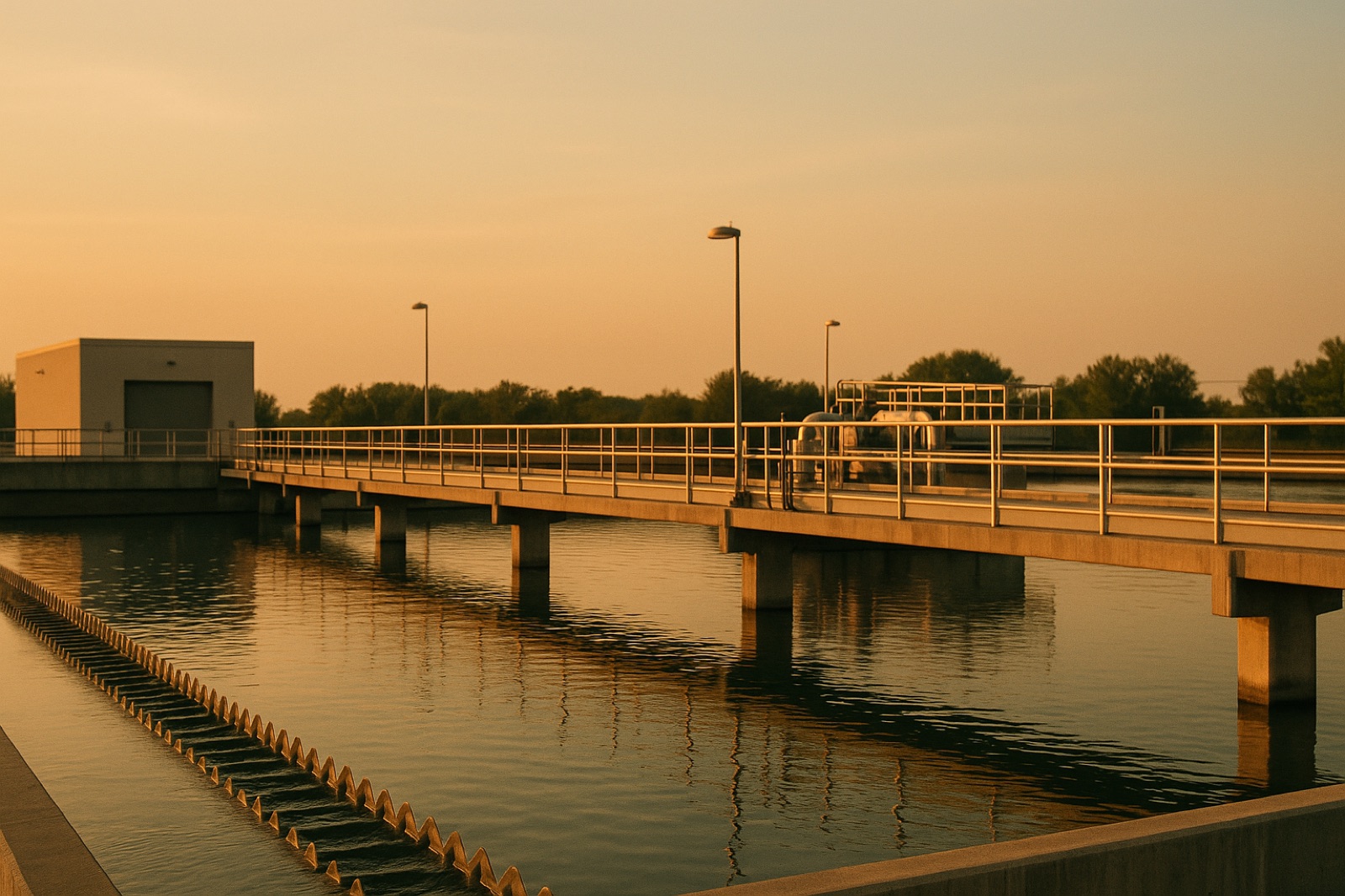
In the heart of the Midwest, where rivers and lakes are abundant, the quality of drinking water relies heavily on infrastructure. As cities and rural communities continue to face challenges posed by climate change and aging facilities, understanding how water systems function is crucial for ensuring that clean water remains accessible.
Understanding Water Infrastructure
Water infrastructure encompasses the systems and facilities that deliver water from its sources to homes and businesses. This includes treatment plants, pipes, storage tanks, and distribution networks. In many Midwest communities, these systems were built several decades ago and are now nearing the end of their functional lives.
For instance, many older cities in Illinois and Missouri are grappling with water main breaks and contaminated supplies due to outdated piping and treatment technologies. Investing in modernized infrastructure is essential not only for maintaining clean drinking water but also for protecting the environment from potential pollution.
Local Responses to Infrastructure Needs
Communities across the Midwest are taking steps to address these infrastructure needs. Some municipalities have initiated comprehensive assessments of their water systems to identify weaknesses. Local leaders are advocating for state and federal funding to replace old pipes and upgrade facilities. These improvements can lead to better water quality and increased resilience to extreme weather events.
As highlighted in a recent article, “I’ve never worked with so many conservatives: the Texans fighting the Big Bend border wall,” collaboration among diverse community members is essential to tackle large-scale issues like infrastructure. Although this story focuses on Texas, it illustrates a broader trend of bipartisan cooperation necessary for addressing significant infrastructure challenges, which is equally applicable in the Midwest.
The Role of Technology
Modern technology plays a significant role in enhancing water infrastructure. Advances in data collection and analysis allow water utilities to monitor usage patterns and identify leaks more efficiently. Smart water systems, which incorporate sensors and IoT technology, enable real-time tracking of water quality and distribution. These tools help utilities address issues proactively rather than reactively, ultimately leading to a more sustainable water supply.
Furthermore, as many regions experience increasingly extreme weather - such as heavy rainfall leading to flooding - the infrastructure must be resilient enough to handle these changes. Investments in green infrastructure, such as permeable pavements and rain gardens, can help manage stormwater runoff effectively while also improving local ecosystems.
Long-Term Strategies for Clean Water
To ensure the future of clean water in the Midwest, a multi-faceted approach is necessary. This includes not only upgrading infrastructure but also exploring alternative water sources, such as rainwater harvesting and groundwater recharge. Community education about water conservation and pollution prevention can also empower residents to protect their local water sources.
As the climate crisis continues to unfold, ongoing dialogue about the state of water systems and the need for infrastructure investment will be crucial. For example, this summer, discussions surrounding air conditioning access have revealed that “surviving extreme heat increasingly boils down to this: access to air conditioning.” Similarly, surviving water crises often comes down to the robustness of water infrastructure.
Conclusion
The health of water systems across the Midwest is intricately linked to the integrity of its infrastructure. Without timely upgrades and community engagement, the risk of contamination and service interruptions will only grow. By prioritizing infrastructure improvements, communities can ensure safe and reliable access to clean water for generations to come.