Infrastructure
The Permit Is Not the Message: Plan Water Reuse Education Around Household Questions
A new regulatory guidebook offers local water companies a reason to organize public education around what homeowners actually need to decide.
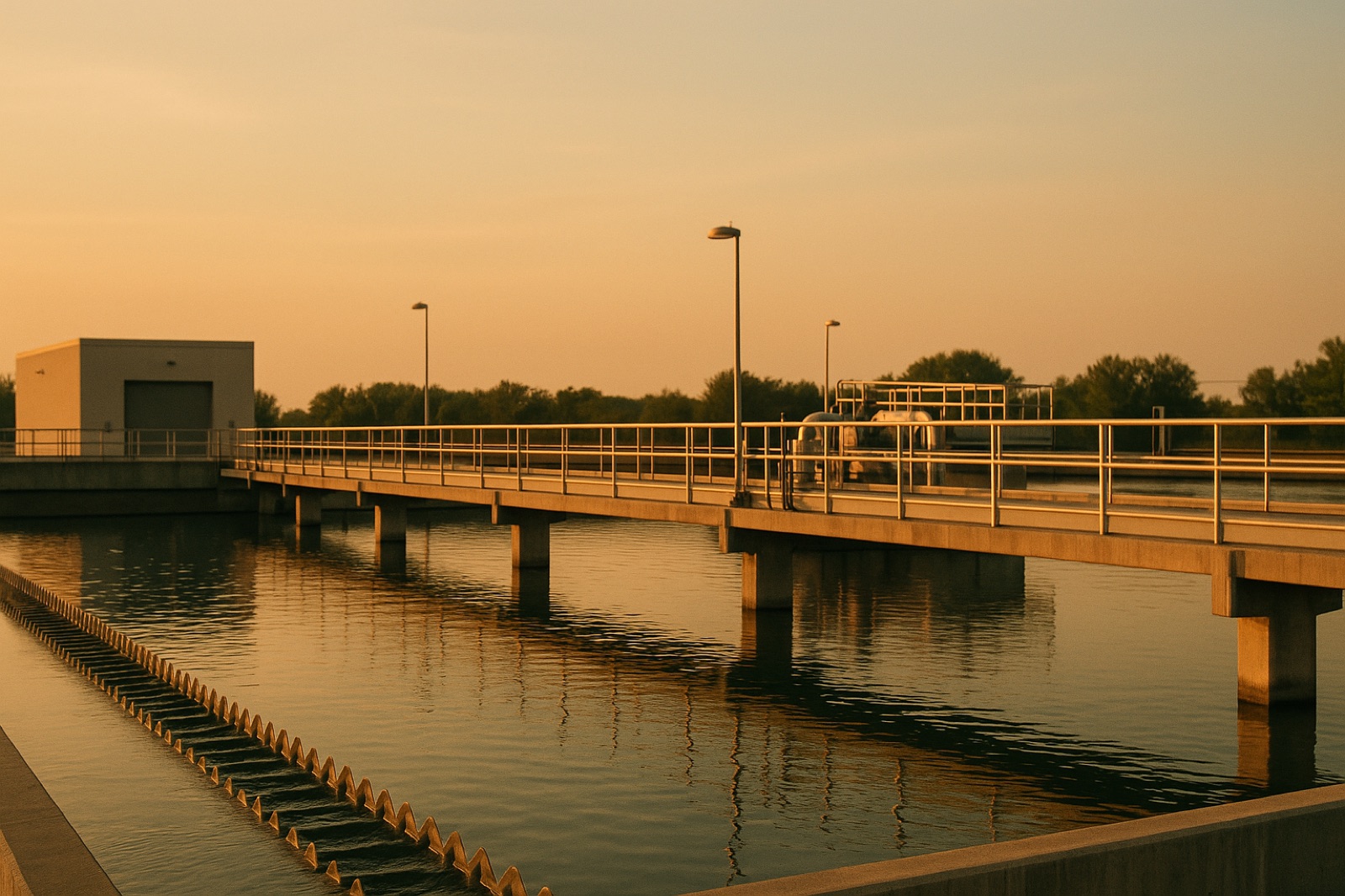
Water reuse is moving from a specialist topic toward a practical question for utilities, regulators and the companies that help households manage water. Water Finance and Management reports that the WateReuse Association has released a guidebook for developing state-specific water reuse regulations. The publication is intended to help states navigate a complicated regulatory landscape as reuse becomes more important nationwide.
That is regulatory news, but it also identifies an education problem. A rule can define what is permitted without answering the first questions residents bring to a kitchen table: Where did this water come from? What treatment did it receive? Where can it be used? Who maintains the equipment? What happens if something fails?
For local water companies, those questions can become the structure of a useful public campaign. The objective is not to sell reuse as a single solution. It is to help residents distinguish among water sources, uses and responsibilities, then identify the households that need a site-specific conversation.
Start with a homeowner question map
A question map should follow the order in which a resident makes a decision. Begin with source: municipal drinking water, private well water, rainwater, graywater or treated wastewater. Next comes intended use: drinking, cooking, bathing, laundry, irrigation or another purpose. Then ask what treatment, storage, plumbing separation, monitoring and maintenance the proposed use requires.
The map should also contain a clear stopping point. If a company cannot determine whether a proposed reuse system is allowed, it should direct the homeowner to the relevant utility, health department or permitting authority. State-specific regulation matters precisely because the same equipment or use may not be treated identically everywhere.
Local providers can explain treatment without implying that one device solves every water problem. For example, reverse osmosis specialists serving the St. Louis area may help residents understand one treatment process, but the appropriate approach still depends on the source water, intended use, testing and local requirements.
Put education on a visible calendar
A useful calendar gives each month one narrow question instead of repeating a broad invitation to request an estimate. One session might explain the difference between treatment and disinfection. Another could cover storage, cross-connections or maintenance records. A third could show residents which agency answers regulatory questions.
Each event should have a defined audience and next step. A webinar for homeowners considering irrigation reuse needs a different worksheet from a session for builders or facility managers. The calendar can include a short article, an email, a community presentation and appointment availability around the same topic. Repetition is helpful when each format answers the same question consistently.
Collect only the information needed for follow-up
A lead-capture form should qualify the water question before asking for a sales appointment. Useful fields include ZIP code, water source, intended use, whether testing has been completed, whether the property is served by a utility or private well, and the homeowner's preferred follow-up method. The form should also state what the company will do with the information.
The follow-up workflow can then sort inquiries into three groups: questions that can be answered with an educational resource, properties that need testing or an on-site assessment, and regulatory questions that belong with a public agency. Send the promised resource immediately, assign qualified inquiries to a named staff member and schedule a later check-in. Record the original question so the homeowner does not have to repeat it.
Midwest Water News recorded 3,248 page views, 1,804 visitors, 3,332 AI crawls and 1,891 search crawls in the supplied period. No assists, search queries or trend series were supplied. Those figures show activity, not which topics produced customers. A local company therefore needs its own basic attribution, including event registrations, form completions, qualified consultations and completed follow-ups.
A sample campaign brief
The campaign question: What must a homeowner know before considering water reuse? The audience: residents exploring irrigation, conservation or alternative water supplies. The promise: a plain-language map of source, use, treatment, maintenance and regulatory contacts. The offer: a worksheet and a 20-minute question session. The qualification fields: location, source, intended use and testing status. The success measure: qualified conversations completed, not raw page traffic.
Companies ready to build a local demand system should connect that brief to one confirmed service or case-study page, rather than sending every reader to a generic homepage. The larger lesson from the new regulatory guidebook is simple: when rules become more structured, public explanations must become more structured too.