Infrastructure
Before Choosing a Water-Treatment Provider, Trace Every Promise Back to the Water
A regional buyer checklist can help Midwest households compare testing, equipment, maintenance and prices without mistaking a product pitch for a diagnosis.
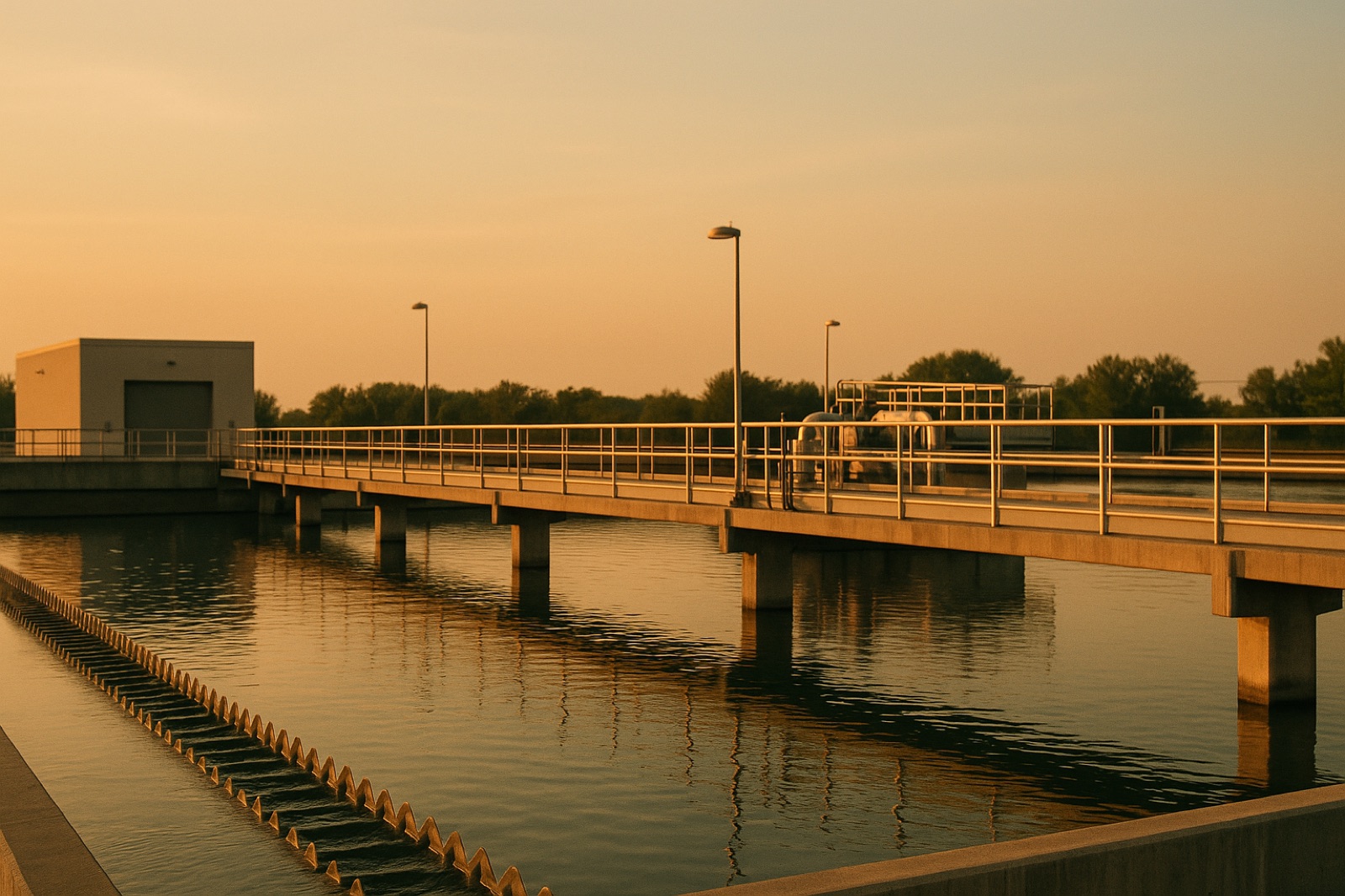
A drinking-water problem begins somewhere, and the right response depends on where that somewhere is. It may be in a lake, river or aquifer. It may arise in a utility plant, a distribution main, a private well or the plumbing inside a house. A home treatment device occupies only the last part of that long system.
That distinction is especially clear in a current cross-border water story. Circle of Blue, publishing reporting by Shilpashree Jagannathan of The Narwhal, describes how Fort Frances, Ontario, is preparing for a worst-case change to its water supply. The town of about 7,500 sits where Rainy Lake empties into the Rainy River, and its drinking water comes from the lake. A proposed U.S. mine has placed attention on what could happen upstream of the intake. The Circle of Blue account of the Fort Frances water concern is a reminder that treatment has to be matched to a defined source and risk.
For Midwest households choosing a local water-treatment provider, the practical lesson is smaller in scale but similar in structure. Begin with the water and the evidence. Only then should the conversation move to equipment.
Ask what will be tested, and where
A written proposal should identify the water source as a public system or private well. It should also state where samples will be collected. Water taken before existing equipment answers a different question from water taken at the kitchen tap.
Ask which measurements the provider will perform on site, which samples will go to a laboratory and whether the customer will receive the complete results. The document should connect each recommended treatment stage to a specific result or clearly described household concern. A vague reference to poor water quality is not enough to compare one proposal with another.
Match certification to the actual claim
Do not stop at a seal, badge or general statement that equipment is certified. Ask for the manufacturer, exact model number, certification organization and standard associated with the performance claim being made. A proposal should distinguish certification of a complete system from certification of an individual component.
The provider should also explain what the certification does and does not establish. Certification information belongs beside the relevant product claim, not on a separate brochure that leaves the customer to connect the two.
Make the sizing calculation visible
Two houses on the same street may not need identically sized equipment. Ask what inputs were used, including household water use, number of occupants, plumbing flow needs and measured water conditions. For equipment that regenerates or replaces media, request the assumptions behind the service interval.
The proposal should identify what happens if actual use differs from those assumptions. Oversizing and undersizing can both complicate ownership, so the useful question is not whether a unit is large or small. It is why that size was selected for this house.
Separate warranty coverage from routine ownership
Request the warranty in writing before signing. Compare coverage for tanks, valves, electronics, pumps, membranes and labor. Ask who handles a claim, whether transportation or service-call charges apply and what maintenance is required to keep coverage in force.
Then build a separate maintenance list. It should name each filter, cartridge, membrane, salt or treatment medium; the expected replacement schedule; the current replacement price; and whether the homeowner or provider performs the work. Ask how the system signals a problem and what a service visit costs after any included period ends.
Compare the full price, not the monthly number
Every written proposal should separate equipment, installation, plumbing changes, electrical work, permits if applicable, startup, testing, taxes and recurring supplies. Financing, rental and purchase options should show their different obligations plainly. Ask whether the quoted total can change after installation begins and which conditions would trigger a change order.
Put competing offers into the same categories. A lower initial price may exclude testing or labor that another bid includes. A monthly payment does not by itself disclose total cost, contract length or continuing service requirements.
End with a one-page comparison
Before choosing, reduce each proposal to the same seven lines: source and sample location, test results, treatment goal, exact equipment, sizing basis, warranty and maintenance, and total price. Missing entries become follow-up questions. Households ready to begin can request a documented water assessment and proposal, then use that same framework to evaluate what comes back.
This checklist responds to a visible need for practical water information. Available Midwest Water News figures show 3,730 page views, 1,817 visitors, 1,928 search crawls and 3,275 AI crawls. No backlink, assist, CRM lead or query-trend data are available, so those figures cannot show which provider readers selected. They do support publishing information that can stand on its own wherever a reader encounters it.
The central question is simple: Can every item on the proposal be traced back to the water, the house or a clearly stated ownership cost? If not, the buyer does not yet have a comparable bid.