Infrastructure
Understanding the Role of Clean Water Utilities in the Midwest
Exploring the importance of clean water utilities and their recognition in ensuring water quality.
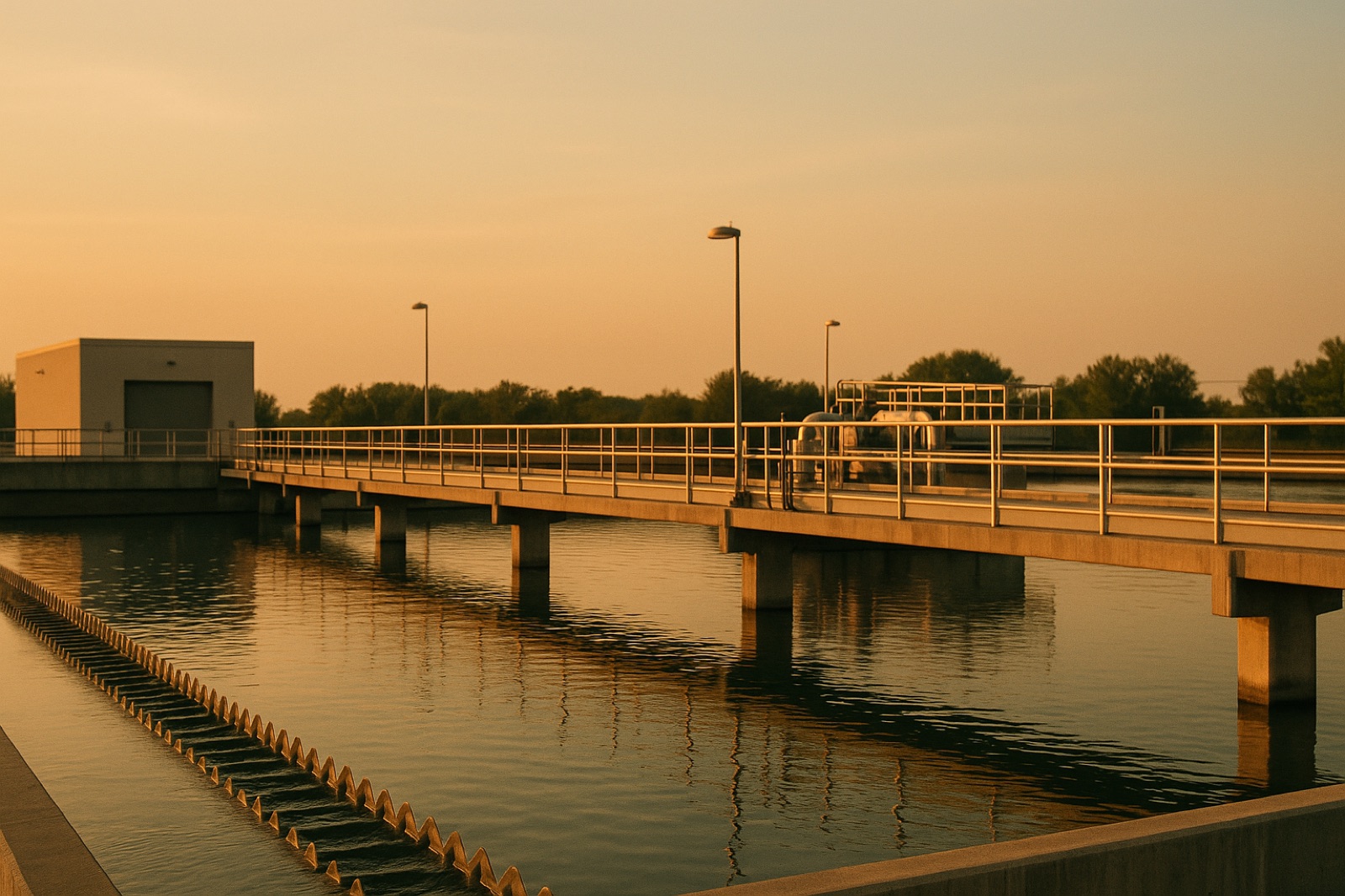
In the Midwest, clean water utilities play a critical role in maintaining water quality and safety for communities. These utilities are responsible for managing the treatment and distribution of water, ensuring that it meets regulatory standards and is safe for public consumption. Recently, the National Association of Clean Water Agencies (NACWA) highlighted the efforts of top-performing clean water utilities during their Utility Leadership Conference in Cleveland, Ohio. This recognition underscores the importance of effective water management in the face of growing environmental challenges.
The Importance of Clean Water Utilities
Clean water utilities are tasked with a complex array of responsibilities. They not only treat wastewater but also manage stormwater runoff and monitor the quality of drinking water. These utilities often face significant challenges, including aging infrastructure, budget constraints, and evolving regulatory requirements. As the climate crisis intensifies, these challenges may become even more pronounced. The recognition given by NACWA serves as a reminder of the essential services these utilities provide, as well as the need for continued investment in their capabilities.
Recent Recognition of Top Utilities
The NACWA honored several utilities for their outstanding performance, emphasizing the importance of innovation and leadership in this sector. While the specific utilities recognized were not detailed in the article from Water Finance and Management, the recognition exemplifies best practices and achievements in water management. Such awards not only highlight the successful strategies employed by these utilities but also serve as models for others in the field.
Challenges in Water Management
Despite the successes celebrated by NACWA, many clean water utilities are grappling with significant issues, particularly the presence of contaminants like PFAS. The ongoing presence of per- and polyfluoroalkyl substances (PFAS) in drinking water has raised alarms across the United States. As reported in another article from Water Finance and Management, these contaminants have reshaped the regulatory landscape, prompting utilities to adopt more rigorous testing and treatment protocols.
Local Solutions for Water Quality
For rural residents and private well owners, ensuring clean drinking water can pose additional challenges. Many rely on regional treatment companies that test private wells to identify contaminants and recommend solutions. These local services are vital for maintaining water quality, especially in areas where municipal utilities do not reach. As more households depend on wells, the demand for testing and treatment solutions will likely increase.
Looking Forward
The future of clean water utilities in the Midwest hinges on their ability to adapt to ongoing challenges, including climate change and contamination issues. As these utilities continue to innovate and improve their services, community engagement and support will be essential in promoting sustainable water management practices. The recognition of top utilities by organizations like NACWA can inspire others to strive for excellence in water quality, ultimately benefiting all residents.
Moreover, the collective efforts of utilities, local governments, and private companies will be crucial in addressing the pressing issues that affect water systems today. As we look forward, it is imperative to invest in infrastructure, promote community awareness, and prioritize water quality for future generations.