Infrastructure
The Importance of Local Water Management in the Midwest
How community-driven approaches can enhance water quality and accessibility.
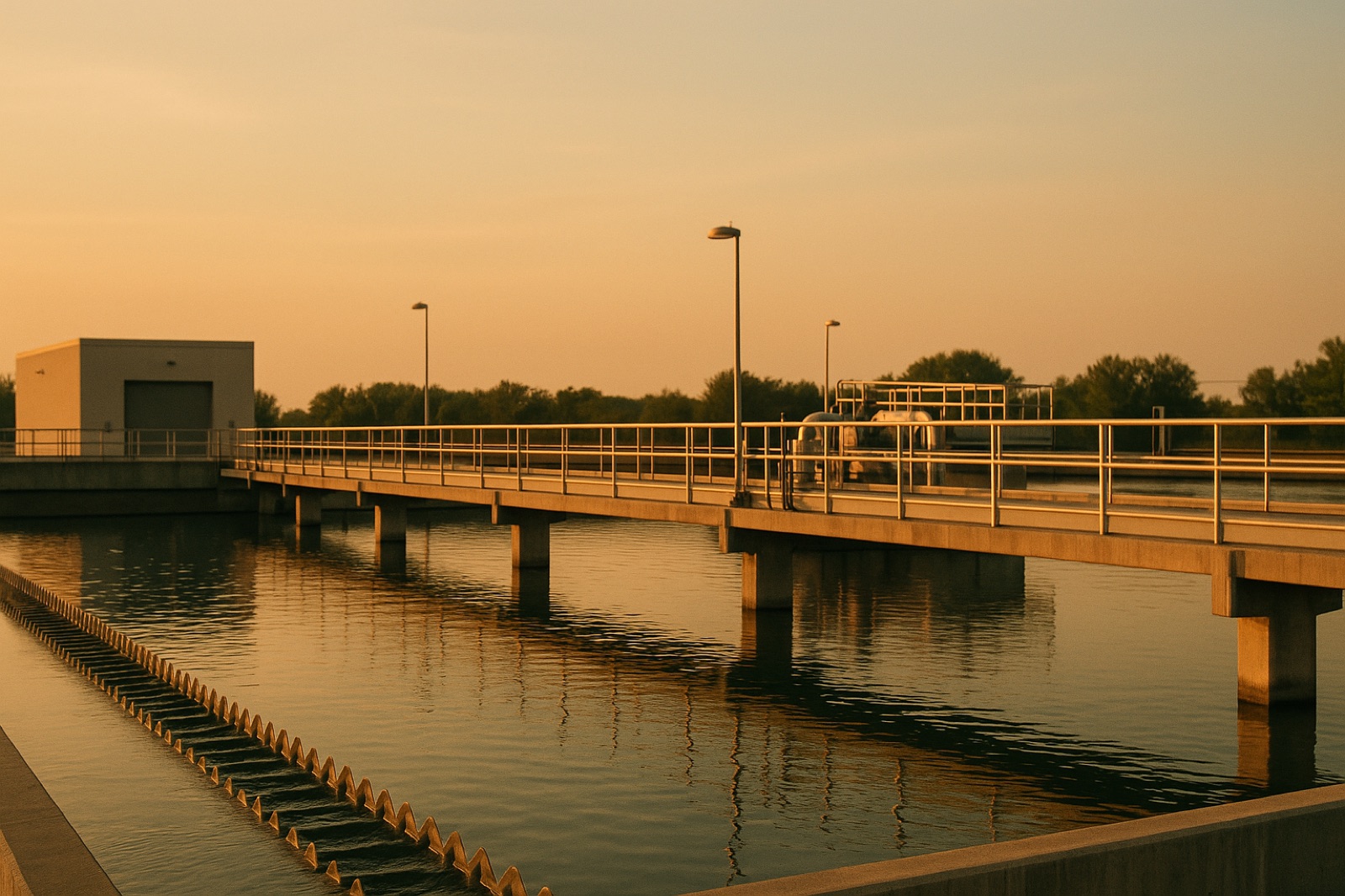
Water is a fundamental resource for all communities, yet its management often takes a backseat to more immediate concerns. In the Midwest, where fresh water is abundant, the challenge is not just about having enough water; it’s about ensuring its quality and accessibility. This article explores how local water management practices can make a significant difference in the lives of residents.
The Role of Local Governance
Local governments play a crucial role in managing water resources. They are responsible for maintaining infrastructure such as treatment plants, pipelines, and storage facilities. With aging infrastructure in many communities, there is an urgent need for updates and repairs. For instance, many systems across the Midwest were built in the early to mid-20th century and require substantial investment to meet modern health and safety standards.
In Illinois, a recent study highlighted the disparity in funding for water infrastructure improvements, especially between urban and rural areas. While urban centers like Chicago can allocate significant budgets for upgrades, many rural communities struggle to secure the necessary resources. This inequity affects the quality of water available to residents and can lead to increased health risks.
Community Involvement
Effective local water management often includes community involvement. Residents can provide valuable insights into local water issues, and their participation can help shape policies that reflect the needs of the community. Recent initiatives in Missouri have seen local residents engage in water quality monitoring programs. These programs not only educate the public about water safety but also empower citizens to take an active role in safeguarding their resources.
Moreover, partnerships between local governments and regional treatment companies that test private wells can lead to improved water safety. These collaborations ensure that even those on private systems are not left behind and can access accurate information about their water quality.
Addressing Contaminants
One of the pressing concerns for water systems in the Midwest is contamination, particularly from agricultural runoff and industrial discharges. These contaminants can severely impact both surface and groundwater sources. Recent discussions surrounding PFAS (per- and polyfluoroalkyl substances) have illustrated the complexities of modern water management. Addressing such contaminants requires a comprehensive approach that includes updated regulations, better testing practices, and community education.
For instance, in response to rising concerns about PFAS, local governments are exploring advanced filtration technologies. These technologies can help remove contaminants from the water supply, but implementation often requires significant funding and expertise.
The Importance of Infrastructure Investment
Investment in water infrastructure is not just about repairing old pipes; it is also about future-proofing systems against climate change and population growth. With extreme weather events becoming more frequent, resilient infrastructure is essential. Communities that invest in sustainable practices - such as green infrastructure - can better manage stormwater and reduce flooding risks.
Additionally, integrating technology into water management can enhance efficiency. Smart water meters and advanced monitoring systems can help detect leaks early, manage resources better, and provide real-time data for decision-making. This technological adaptation can be especially beneficial for smaller municipalities that often operate with limited resources.
Conclusion
Water management in the Midwest is a multifaceted issue that requires collaboration between local governments, residents, and experts. By prioritizing local engagement and investment in infrastructure, communities can improve water quality and accessibility. As we move forward, it is vital that stakeholders remain proactive in addressing the challenges that lie ahead - ensuring that every resident has access to safe and clean water.
For those seeking assistance in managing their water systems or testing private wells, exploring resources such as regional treatment companies that test private wells can provide valuable support.