Infrastructure
The Role of Advanced Metering Infrastructure in Modern Water Management
Exploring how advanced metering infrastructure can enhance water management in Midwest cities.
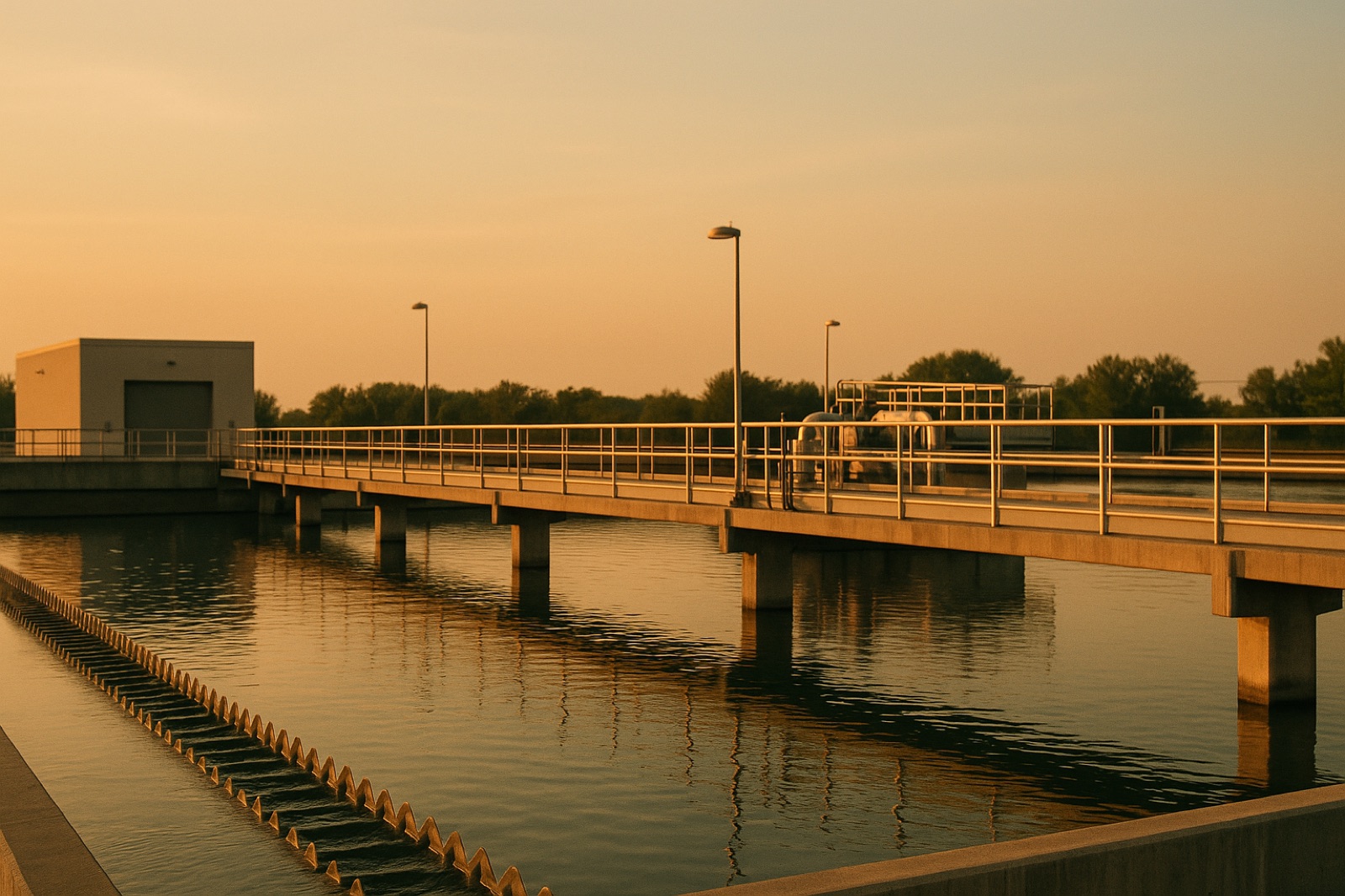
Water utilities across the Midwest are facing increasing challenges in managing their systems effectively. With aging infrastructure, rising costs, and the pressing need for transparency, many cities are turning to advanced metering infrastructure (AMI) as a solution. This technology not only offers more accurate meter readings but also provides valuable data for improving overall water management.
Understanding Advanced Metering Infrastructure
AMI is a system that involves the use of digital meters and communication networks to collect and analyze water usage data. This technology allows water utilities to monitor consumption in real-time, which can significantly reduce the incidence of non-revenue water. Non-revenue water refers to water that is produced but not billed to customers, resulting from leaks, theft, or inaccurate meter readings. By improving meter accuracy and responsiveness, AMI can help reverse this trend.
Case Study: Jackson, Mississippi
A recent article in Water Finance and Management highlighted a project in Jackson, Mississippi, where the implementation of AMI is seen as a crucial step in restoring public trust. The city has faced significant challenges with its water system, including high rates of non-revenue water. The introduction of AMI is expected to enhance the utility's ability to manage resources more effectively and engage with residents about their water usage patterns.
Benefits of AMI for Midwest Cities
The benefits of implementing AMI in water systems can be profound. First and foremost, the technology allows for remote meter reading, which eliminates the need for manual readings and reduces operational costs. Additionally, real-time data collection enables utilities to identify leaks and other issues more quickly, potentially saving millions in water losses each year.
Furthermore, AMI can enhance customer engagement by providing users with more accurate billing based on their actual consumption rather than estimates. This transparency can prompt residents to be more conscious of their water usage, leading to better conservation efforts.
Challenges in Implementation
Despite the benefits, the implementation of AMI is not without its challenges. Many utilities face budget constraints that can hinder the initial investment required for the technology. Moreover, there are concerns regarding data privacy and security, as the collection of real-time usage data raises questions about how that information is stored and used.
It's also important to consider the need for public education. Residents may be hesitant to adopt new technologies without proper understanding, which is where effective communication and outreach efforts are essential.
Looking Ahead
As more Midwest cities explore advanced metering infrastructure, the potential to revitalize aging water systems becomes increasingly apparent. The case of Jackson serves as a reminder of both the possibilities and challenges cities face in modernizing their water management practices. With the support of regional treatment companies that test private wells and provide additional resources, utilities can navigate the complexities of AMI implementation more effectively.
In conclusion, as water challenges continue to evolve, embracing technologies like AMI could be the key to ensuring sustainable and efficient water management in the Midwest. Stakeholders from local governments to residents must collaborate and communicate to realize the full potential of these advancements.