Great Lakes
When Wildfire Questions Reach the Great Lakes, Give Homeowners a Clear Route to an Answer
A practical education campaign can separate source-water concerns from household treatment questions while helping local water companies identify residents who need real follow-up.
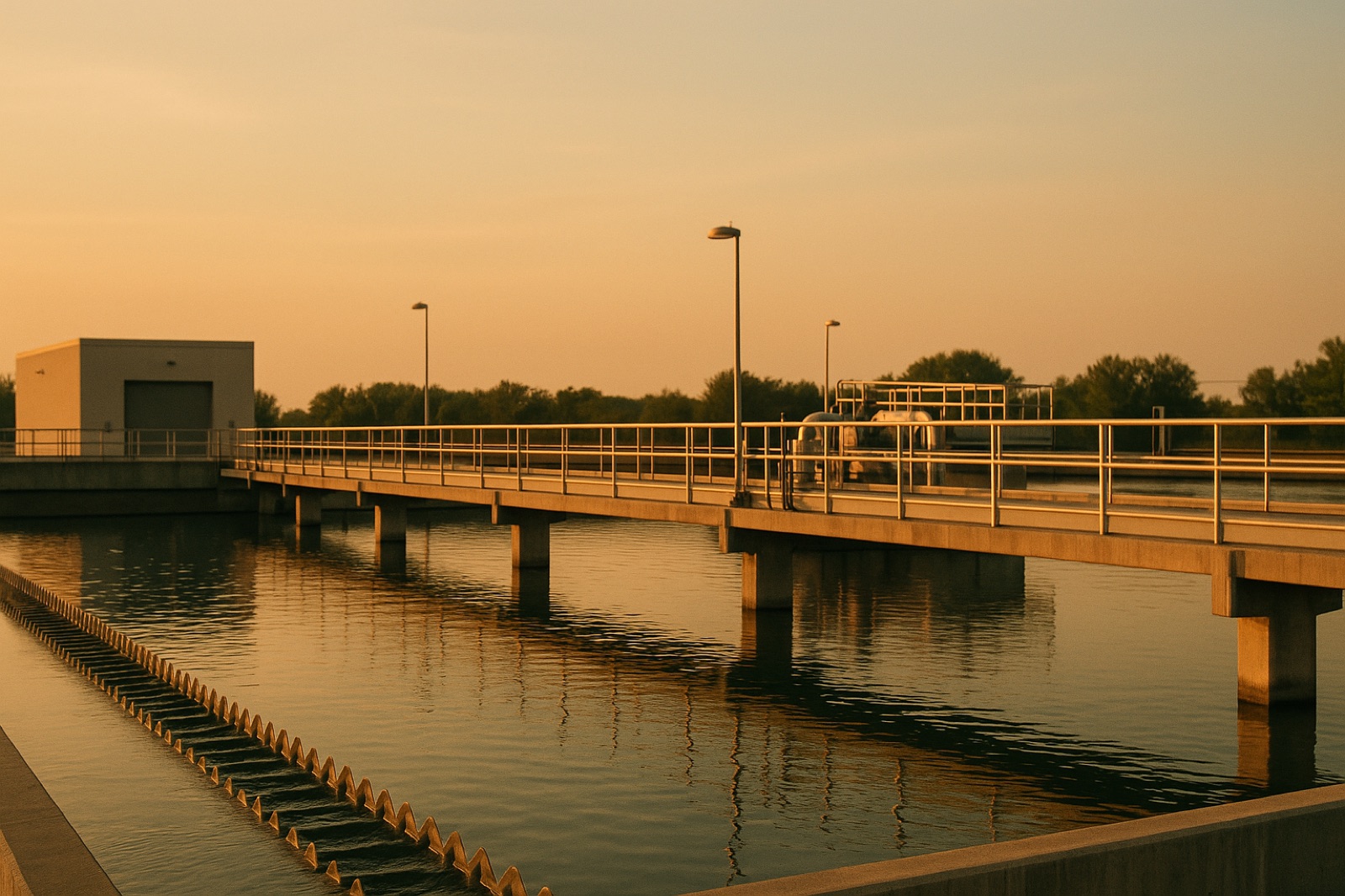
Wildfire coverage can leave Great Lakes residents with a question that sounds simple: Could a distant fire affect the water in a lake?
Circle of Blue’s report on wildfire and lake research shows why the answer is still being studied. The story describes an aquatic ecologist who was researching California mountain lakes in the summer of 2020 when wildfires swept through the area. For local water companies, that is a useful starting point for education, but not permission to turn an emerging research question into a product claim.
The better campaign helps homeowners locate their question within the water system. It also creates a responsible path from general curiosity to a qualified lead, meaning a household with a defined concern, a known water source and a reason for requesting follow-up.
Build the homeowner question map first
Organize the campaign around four routes. A resident asking what wildfire means for lakes belongs on the source-water route. Someone asking what the utility tests belongs on the public-system route. A household asking about a private well needs the well route. A person describing an odor, taste, stain or equipment problem belongs on the household route.
Each route should end with a different next step. Source-water questions can point to the relevant utility, watershed organization or public agency. Public-system questions can point to the utility’s published water information. Private-well questions should identify the local office or laboratory that can explain available testing. Household equipment questions can lead to a service conversation, but only after the water source and observed problem are recorded.
This map keeps a company from implying that one device answers every concern. It also makes the intake process more useful. “I read about wildfire and lakes” is not yet a treatment lead. “I use a private well, noticed a change and want to understand testing options” is a question that merits follow-up.
Put education on a local calendar
A four-week calendar is enough to turn one news topic into a coherent public service series. Week one explains the difference between a lake, a utility’s source water and water at the tap. Week two publishes the four-route question map. Week three shows homeowners what information to gather before calling. Week four answers recurring questions without diagnosing water from a photograph or a short description.
Use the same subject across a website article, email, short social post and printed counter sheet. Repetition is useful when each item gives the reader one concrete action. The campaign should not announce a local wildfire effect unless a named authority has documented one.
Ask only for information that improves the answer
A lead form should capture the homeowner’s municipality or ZIP code, water source, question category, date the issue was first noticed, whether it affects one fixture or the whole house, and preferred contact method. It should also ask whether the resident has a recent utility notice or laboratory result.
Do not require a sales appointment to obtain the basic guide. Consent to follow-up should be explicit, and the form should explain what happens next. A useful confirmation message names the expected response window and tells the homeowner what records to have available.
Use a follow-up workflow that preserves context
First, review the submitted source and concern. Second, route general lake or utility questions to the appropriate public information. Third, request missing facts when the concern is household-specific. Fourth, schedule a conversation only when the company can explain what it is qualified to evaluate. Finally, record the disposition, including referrals and cases that require no sales response.
Companies ready to build a local demand system can use this workflow to connect education, intake and follow-up without treating every reader as an immediate buyer.
A sample campaign brief
Audience: Great Lakes homeowners asking whether wildfire news changes what they should do at home. Reader promise: Identify which part of the water system your question concerns and find the right next step. Primary asset: A printable question map. Conversion: Request a source-specific follow-up. Guardrail: Make no claim that wildfire has affected a local supply without documented local information. Success measure: Completed forms containing enough detail for correct routing, not raw form volume.
MidwestWaterNews.com currently records 3,248 page views, 1,804 visitors, 3,332 AI crawls and 1,891 search crawls. No assists, queries or trend series were supplied, so those totals do not show which topic produced a lead or whether demand is rising. The next useful measurement is modest: tag the campaign, count question-map downloads, and record how many submissions reach the correct follow-up route.
That approach respects the uncertainty in the wildfire research while giving local water companies something practical to do. The public receives a clearer explanation of the system, and the company learns which households are asking questions it can responsibly answer.