Infrastructure
Water System Resilience in the Face of Climate Change
Exploring how Midwestern water systems can adapt to shifting environmental conditions.
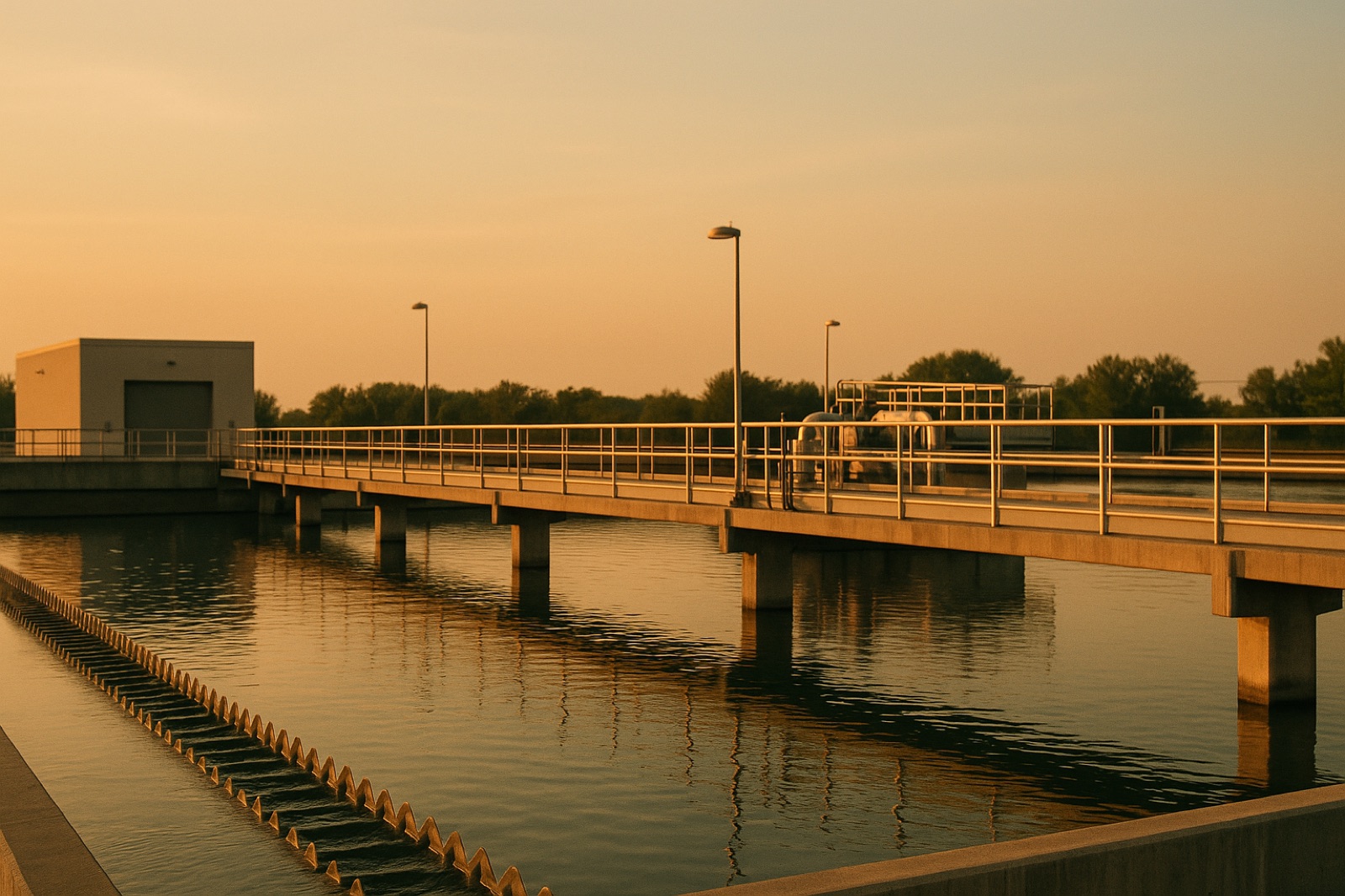
In recent years, climate change has intensified its impact on water systems across the Midwest, necessitating a reevaluation of how these systems operate and adapt. While much attention has been directed toward regions facing acute water shortages, such as Puerto Rico, Midwestern states are also grappling with their own challenges related to water resource management and infrastructure resilience.
The Shifting Landscape of Water Resources
Water systems in the Midwest are traditionally designed for stability, but the increasing unpredictability of rainfall patterns, droughts, and flooding events calls for a more dynamic approach. Local water utilities must integrate adaptive management strategies to ensure that they can continue to deliver reliable service amid these changes.
For example, in regions where rainfall has become less predictable, utilities might consider investing in enhanced stormwater management systems. This can include the creation of green infrastructure, such as permeable pavements and rain gardens, which help absorb excess rainwater, reduce runoff, and recharge groundwater supplies.
Lessons from Other Regions
As the Midwest observes the impacts of climate change on water systems elsewhere, valuable insights emerge. A recent article in The Guardian highlighted how Puerto Rico faced severe water shortages due to a pipeline rupture, leading to widespread disruption for residents and businesses alike. While the context differs, the underlying principle remains the same: robust infrastructure is essential for maintaining water access during emergencies. This is a lesson for Midwestern communities that may also face infrastructure stress due to aging systems and increased demand.
Investing in Infrastructure
The aging water infrastructure in many Midwestern cities presents a significant challenge. The American Society of Civil Engineers (ASCE) has frequently warned about the poor condition of water systems, emphasizing the need for investment and modernization. According to their latest reports, many pipes are reaching the end of their lifespan, leading to leaks and inefficiencies that not only waste water but also increase operational costs.
Investment in upgrading these systems is crucial. Midwestern cities are beginning to implement technologies such as smart water meters that provide real-time data on water usage and leak detection. These tools not only enhance efficiency but also empower consumers to monitor their usage and detect potential leaks in their homes.
Community Engagement and Education
A vital component of establishing resilient water systems is fostering community engagement. Local water authorities must prioritize educating residents about water conservation strategies, the importance of protecting watershed areas, and the necessity of reporting leaks promptly. Involving communities in decision-making processes regarding water management can lead to more tailored and effective solutions.
Moreover, as climate change continues to reshape environmental conditions, communities can play a pivotal role in advocating for policies that support sustainable water use and infrastructure investment. Collaborative efforts between local governments, utilities, and citizens can result in more resilient systems that are better equipped to handle future challenges.
Conclusion
As Midwestern water systems face the dual challenges of aging infrastructure and climate change, it is essential to adopt a proactive, adaptive approach. By learning from experiences in other regions, investing in modern technologies, and engaging local communities, the Midwest can enhance its resilience against the uncertainties that lie ahead. The transition toward robust water management will not only secure water access for residents but also ensure the sustainability of this vital resource for future generations.