Illinois
Water Quality and Collaboration: A Focus on Midwestern Water Systems
Exploring the importance of partnerships in addressing water quality challenges in the Midwest.
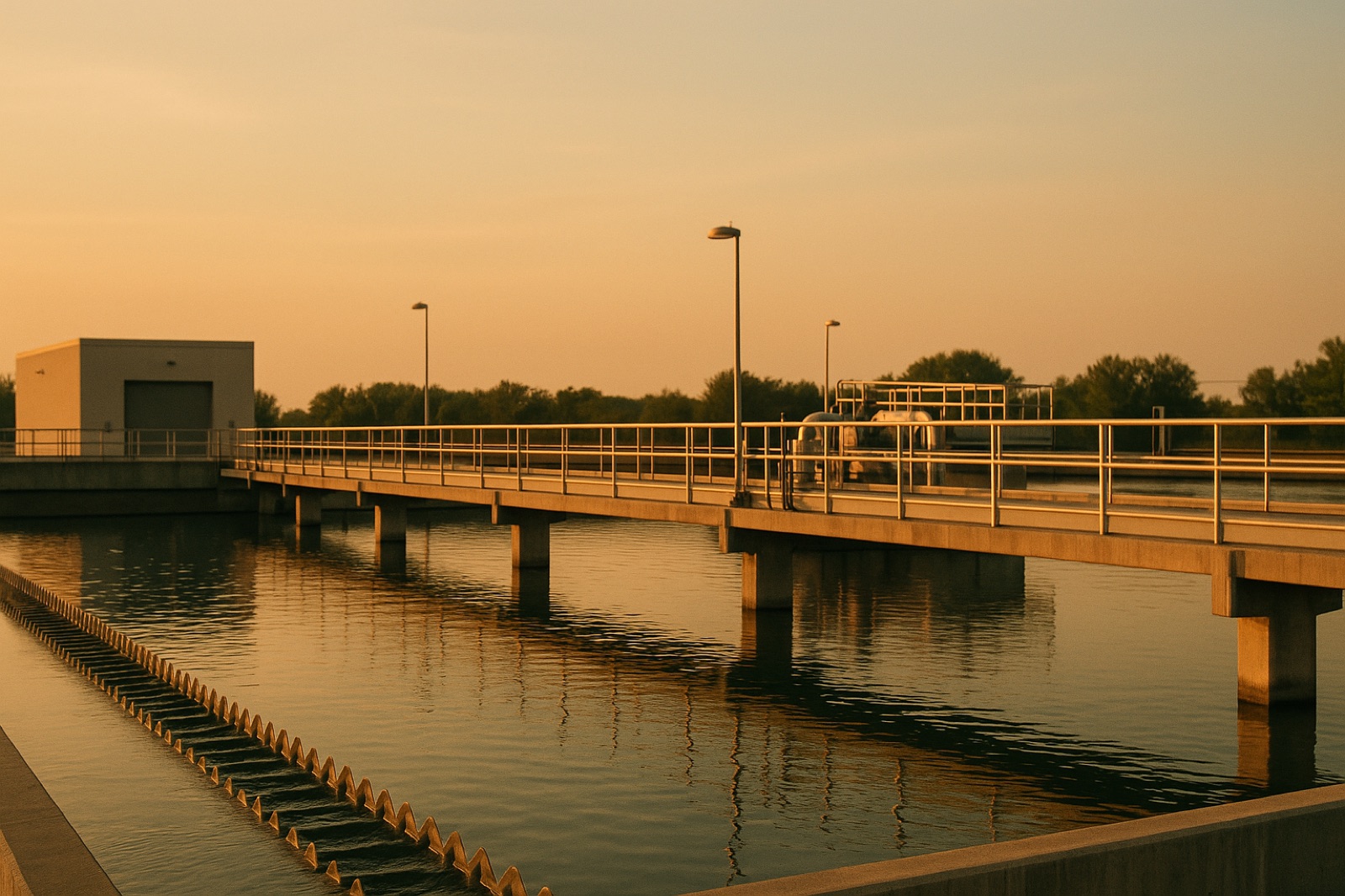
Water quality is a pressing concern throughout the Midwest, and the region's myriad water systems face unique challenges. From urban centers to rural communities, the health of our water supplies is impacted by a complex interplay of environmental factors, infrastructure, and regulatory frameworks. As communities grapple with these issues, collaboration among local managers is emerging as a promising approach to ensure sustainable water resources.
The Importance of Local Partnerships
Recent discussions in the region have highlighted the need for local water managers to adopt a collaborative mindset. A prime example of this can be found in the Circle of Blue article, "Forget Western Water War: Local Managers Choose Partnership," which details how local water managers are choosing to work together rather than competing for resources. This approach allows for shared knowledge and effective resource management, which is particularly crucial in areas where water scarcity is becoming a growing concern.
Collaboration can take many forms, including joint projects, shared technology, and coordinated conservation efforts. By leveraging their collective expertise, water managers can address issues such as contamination and infrastructure decay more effectively. This is especially relevant in states like Illinois, where urban and rural water systems are often vastly different yet interconnected.
Understanding Water Systems
The backbone of any water system is its infrastructure, which includes treatment plants, pipelines, and storage facilities. Understanding how these components work together is vital for addressing water quality issues. Treatment plants play a crucial role in removing contaminants from water, ensuring that it is safe for consumption. However, outdated infrastructure can hinder these efforts, leading to potential public health risks.
In Illinois, for example, many municipalities are grappling with aging water systems that require significant investment to upgrade or replace. The cost associated with these improvements can be daunting, prompting local leaders to explore creative funding solutions. Collaboration with regional treatment companies that test private wells, such as Jones Water, can provide vital support in monitoring water quality and ensuring compliance with health standards.
Environmental Challenges and Solutions
Environmental factors also play a critical role in shaping water quality in the Midwest. Agricultural runoff, industrial discharges, and urban development can all contribute to contamination. Communities are increasingly aware of the impact of these activities on local water sources, prompting calls for more rigorous regulatory measures.
For instance, in Great Lakes regions, efforts are underway to address the pervasive issue of PFAS, or "forever chemicals," which have been linked to serious health concerns. As reported by Circle of Blue, North Bay, Ontario, is facing significant challenges related to PFAS contamination. This situation serves as a reminder that water quality issues do not respect borders, highlighting the need for cross-border collaboration to protect shared water resources.
A Path Forward
As Midwestern communities navigate the complexities of water management, a focus on partnership, investment in infrastructure, and proactive environmental stewardship emerges as a clear path forward. Local water managers are beginning to recognize that working together can yield better outcomes for their constituents than competing in isolation.
In conclusion, while the challenges facing Midwestern water systems are considerable, they are not insurmountable. By fostering collaboration among local managers, investing in modern infrastructure, and addressing environmental impacts, communities can build a sustainable future for their water resources. The journey may be long and require significant effort, but the collective commitment to improving water quality will undoubtedly lead to healthier communities across the region.