Illinois
The Intersection of Water Management and Energy Production in the Midwest
Exploring the implications of energy demands on regional water resources.
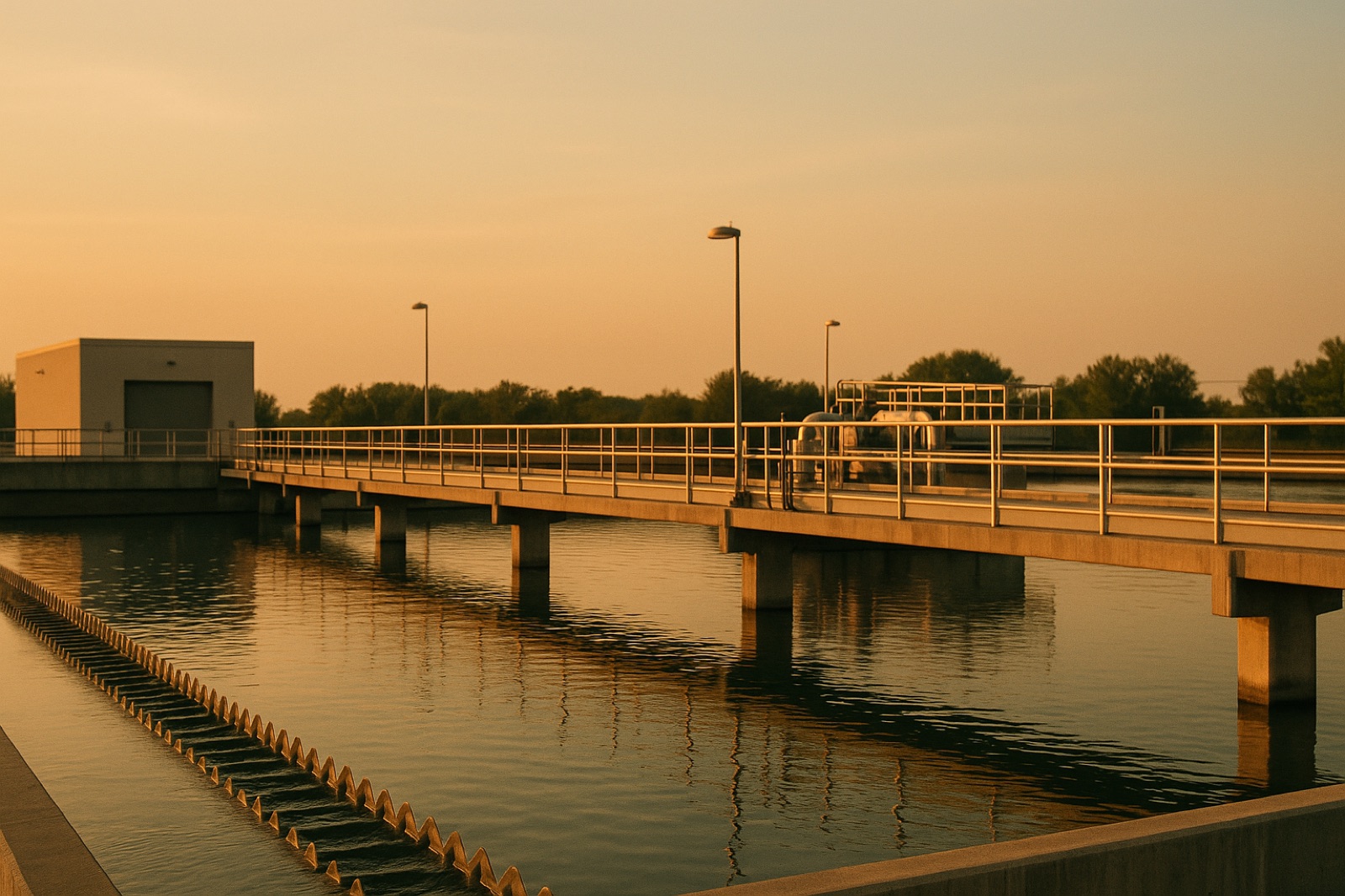
As the demand for energy increases, particularly with the rise of new technologies, the relationship between energy production and water management in the Midwest is becoming increasingly complex. Illinois, with its rich agricultural base and industrial landscape, faces a significant challenge in balancing these two critical resources.
Water as a Vital Resource
Water is essential not only for personal consumption but also for agricultural irrigation and energy production. Power plants, particularly those reliant on fossil fuels, require substantial amounts of water for cooling and other processes. In Illinois, the dependence on coal and natural gas for electricity generation raises concerns about the sustainability of local water resources. The extraction and use of these resources can lead to water quality and availability challenges.
Current Challenges: The Energy-Water Nexus
Recent discussions, such as those highlighted in a piece by Circle of Blue, illustrate how the booming AI sector in Indiana is prolonging reliance on fossil fuels, which brings hidden costs for water. While this article focuses on Indiana, the implications are relevant for Illinois given the proximity and shared resource challenges. The energy demands associated with technology advancements can often overshadow the necessary considerations for water management.
The Impact on Local Water Systems
In many parts of Illinois, agricultural practices heavily rely on groundwater, which can deplete local aquifers faster than they can recharge. This is particularly concerning in regions where agricultural irrigation is a significant consumer of water. The pressure on these water systems can lead to conflicts over water rights and usage, especially during drought periods when water becomes scarcer.
Looking Forward: Solutions and Sustainability
Sustainable water management practices must be integrated into energy production strategies to mitigate the trade-offs between these essential resources. Innovations in technology, such as water-saving irrigation techniques and more efficient cooling systems for power plants, can significantly reduce water usage. Policymakers and industry leaders need to collaborate to develop frameworks that prioritize both energy needs and water conservation.
Conclusion
The interplay between water management and energy production in Illinois is a critical issue that requires careful attention. As the state navigates the complexities of energy demands, it must also ensure that its water resources are managed sustainably. By adopting innovative practices and fostering collaboration among stakeholders, Illinois can work toward a balanced approach that safeguards both its energy future and its vital water resources.