Illinois
The Interplay of Water Management and Energy Production in the Midwest
Exploring the hidden connections between water systems and fossil fuel energy production in Indiana.
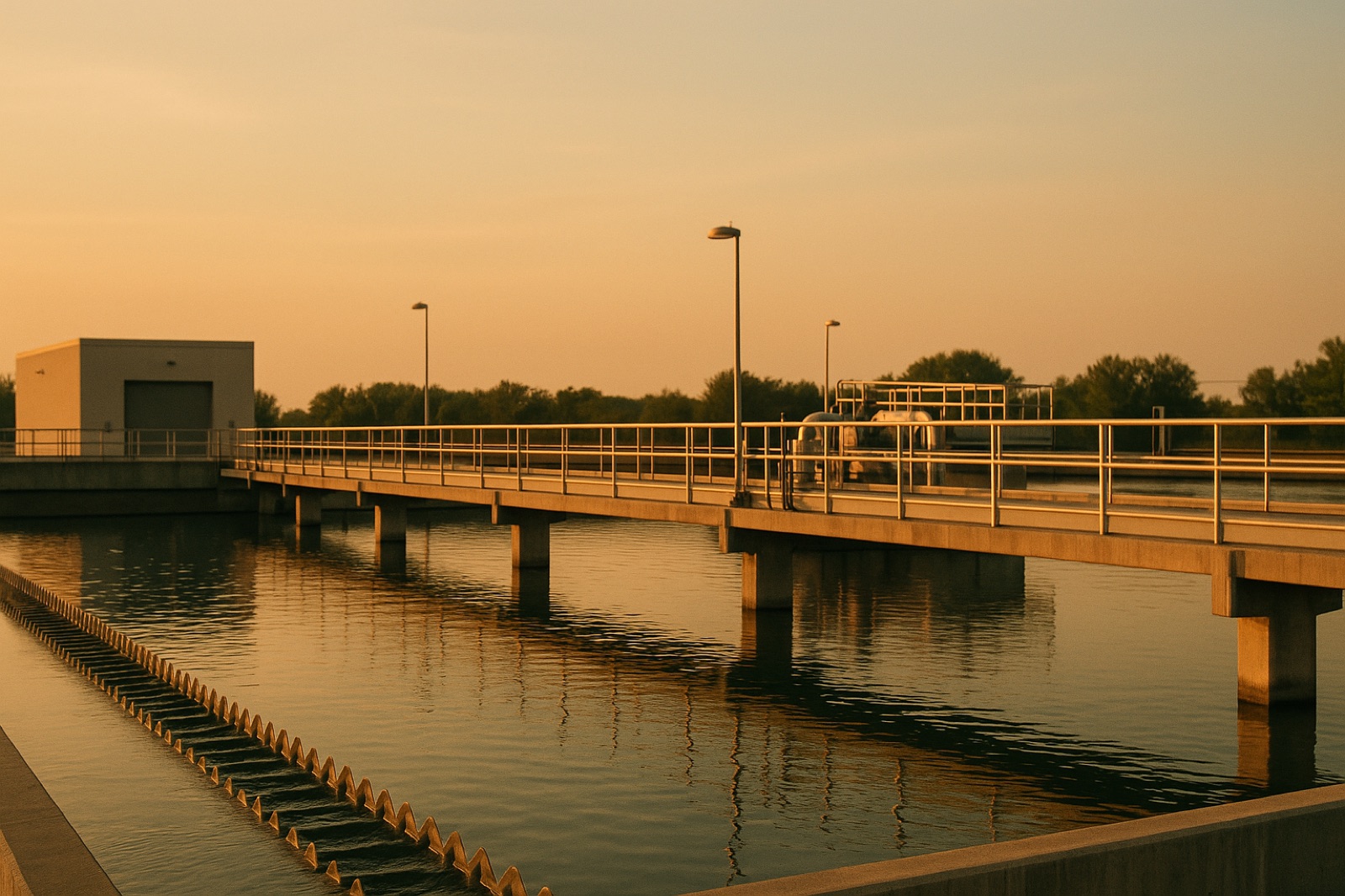
As the Midwest confronts the dual challenges of energy production and water management, a closer look at the relationship between these two critical components reveals significant implications for local communities. While energy needs continue to grow, particularly in light of technological advances like artificial intelligence, the environmental costs associated with these energy sources are increasingly coming under scrutiny.
Fossil Fuels and Water Resources
In Indiana, the expansion of energy production, especially from fossil fuels, raises concerns about water quality and availability. A recent article from Circle of Blue highlights how the "AI Boom Is Prolonging Indiana’s Fossil Fuel Era, With Hidden Costs for Water." As the demand for energy surges, so does the need for water in the extraction and cooling processes of coal and natural gas operations. These processes can lead to significant water consumption and impact local waterways, potentially compromising their health.
Understanding the Local Water Cycle
Water systems in the Midwest operate within a delicate balance that is affected by both local climate conditions and human activities. Groundwater extraction for energy production can deplete aquifers, while surface water from rivers and lakes is often diverted for energy cooling systems. This interplay can lead to fluctuations in water availability and quality that affect not just the immediate environment but also local residents.
In regions like Jasper County, Indiana, where coal plants dominate the landscape, the connection between water systems and energy production becomes particularly evident. The extraction of water for industrial purposes can lead to reduced water levels in nearby streams and rivers, impacting ecosystems and the communities that rely on these water sources.
The Role of Community Management
As local managers contend with these challenges, innovative collaborations are essential. The focus on partnership rather than competition for water resources has emerged as a critical strategy. While the Colorado River has faced significant controversies over water allocation, the Midwest can learn from these dynamics. Understanding how to manage water collaboratively will be crucial in maintaining both energy needs and water quality.
In fact, an approach of collaboration is increasingly being recognized as a way forward for sustainable water management. Emphasizing community engagement and cooperation can lead to initiatives that prioritize both energy production and environmental stewardship.
The Future of Water and Energy in the Midwest
The path forward for communities throughout Indiana and the wider Midwest will likely involve rethinking how water is used in the energy sector. Efforts to invest in more sustainable energy sources, such as wind and solar, could help alleviate some of the pressure on water resources. As energy demands grow, addressing the water implications of these energy sources is essential.
Ultimately, as technological advancements continue to shape the landscape of energy production, it is vital to ensure that water systems are not overlooked. The health of our water resources is inextricably linked to the ways we produce and consume energy, and a balanced approach is necessary for the well-being of both systems.