Wells & Rural
The Complexities of Water Infrastructure: Understanding the Rural Perspective
A closer look at the challenges and opportunities facing rural water systems in the Midwest.
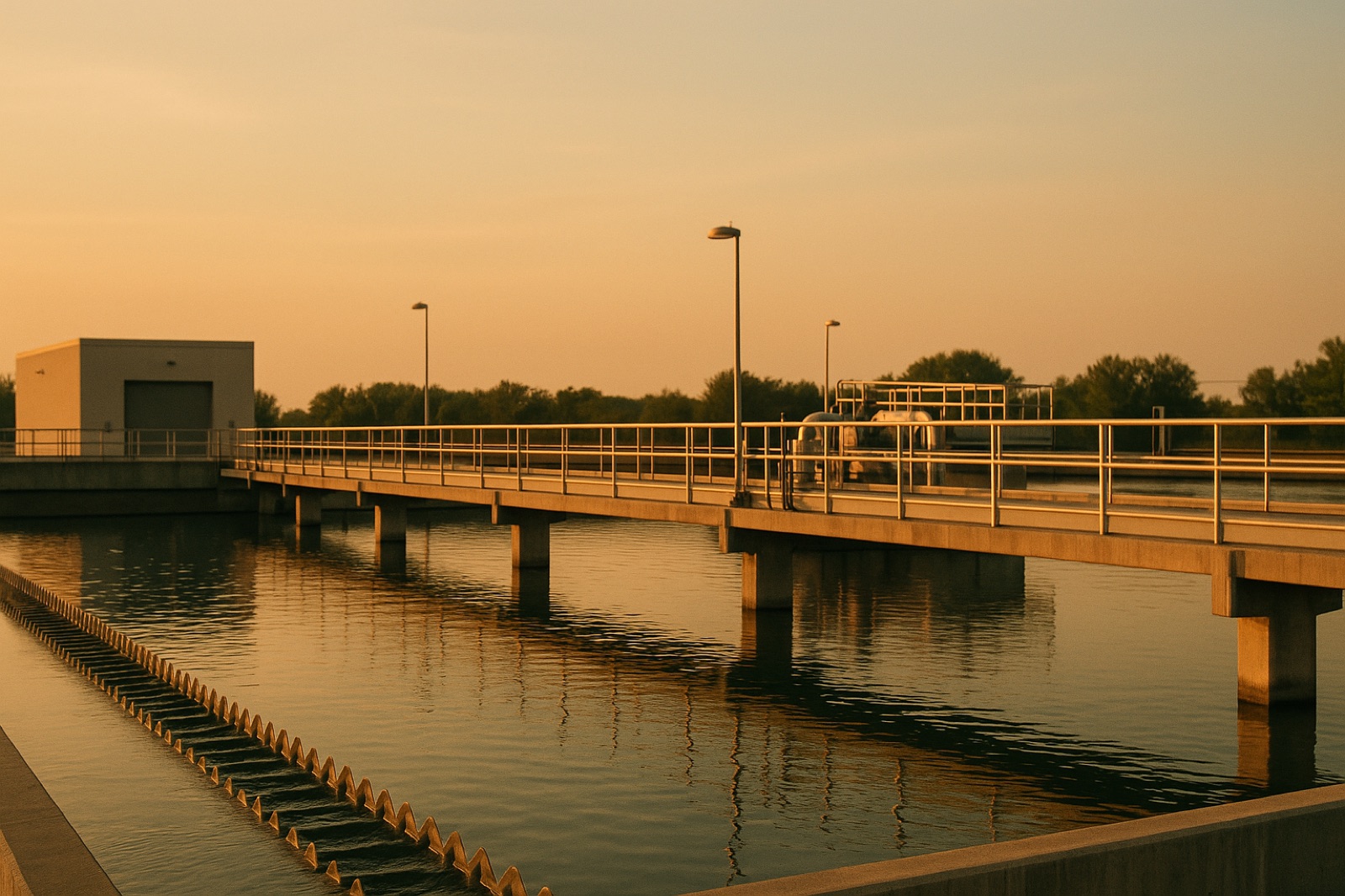
In the Midwest, rural water systems play a crucial role in ensuring access to clean and safe drinking water. However, these systems often face a unique set of challenges that can complicate their operation and maintenance. Understanding these complexities is essential for both residents and policymakers as they navigate the future of water management.
The State of Rural Water Infrastructure
Many rural water systems are small and rely heavily on limited resources. According to the United States Environmental Protection Agency, approximately 90% of the public water systems in the U.S. serve fewer than 3,300 people, and a significant portion of these systems can be found in rural areas. These smaller systems may struggle with financial sustainability, often lacking the economies of scale enjoyed by larger urban systems. As a result, many rural communities face challenges in upgrading aging infrastructure, which can include everything from outdated pipes to inefficient treatment facilities.
Funding and Regulatory Challenges
Funding for rural water systems can be particularly challenging to secure. Many rely on state and federal grants or loans, but competition for these resources is fierce. According to the National Rural Water Association, the gap between available funding and the actual needs of rural systems continues to grow. Without adequate funding, communities often have to make tough decisions about water quality, maintenance, and future improvements.
Additionally, regulatory requirements for water safety are continually evolving. This places further strain on rural systems, as they must adapt to new standards without necessarily having the staff or financial resources to do so. The recent scrutiny of water quality issues across the country has highlighted the importance of compliance, but it has also underscored the disparities faced by rural communities.
Community Engagement and Solutions
In response to these challenges, many rural communities are seeking innovative solutions to improve their water systems. Engaging residents in discussions about water quality and infrastructure needs is critical. Communities that successfully involve residents tend to have higher levels of support for funding initiatives and are more effective at implementing improvements.
Collaboration among neighboring communities can also yield significant benefits. By pooling resources and sharing expertise, smaller systems can more effectively tackle infrastructure issues. For example, some rural water associations have started to facilitate resource-sharing agreements, allowing communities to collaborate on maintenance, training, and even funding applications.
The Role of Technology
Advancements in technology also present opportunities for rural water systems. Adoption of new monitoring technologies can help detect leaks, assess water quality in real time, and improve overall efficiency. While the initial investment may be high, the long-term savings and benefits can justify the costs.
Moreover, educational initiatives aimed at informing residents about water conservation and quality can empower them to take an active role in their community’s water management. Programs that teach residents about the importance of protecting local water sources can foster a culture of stewardship.
Looking Ahead
The future of rural water systems in the Midwest depends on addressing these multifaceted challenges. As climate change continues to affect water availability and quality, rural communities must remain resilient and adaptable. Collaborative efforts, community engagement, innovative technology, and adequate funding will all play a role in ensuring that rural residents have access to safe and reliable drinking water.
Ultimately, understanding the dynamics of rural water systems is essential for fostering effective solutions. With increased awareness and cooperation, rural communities can turn their water challenges into opportunities for growth and improvement. As seen in various initiatives across the region, when communities unite, they can create a sustainable future for their water resources.