Wells & Rural
Water Infrastructure and Its Impact on Rural Communities
Exploring the significance of water infrastructure in rural areas of the Midwest and its connection to national trends.
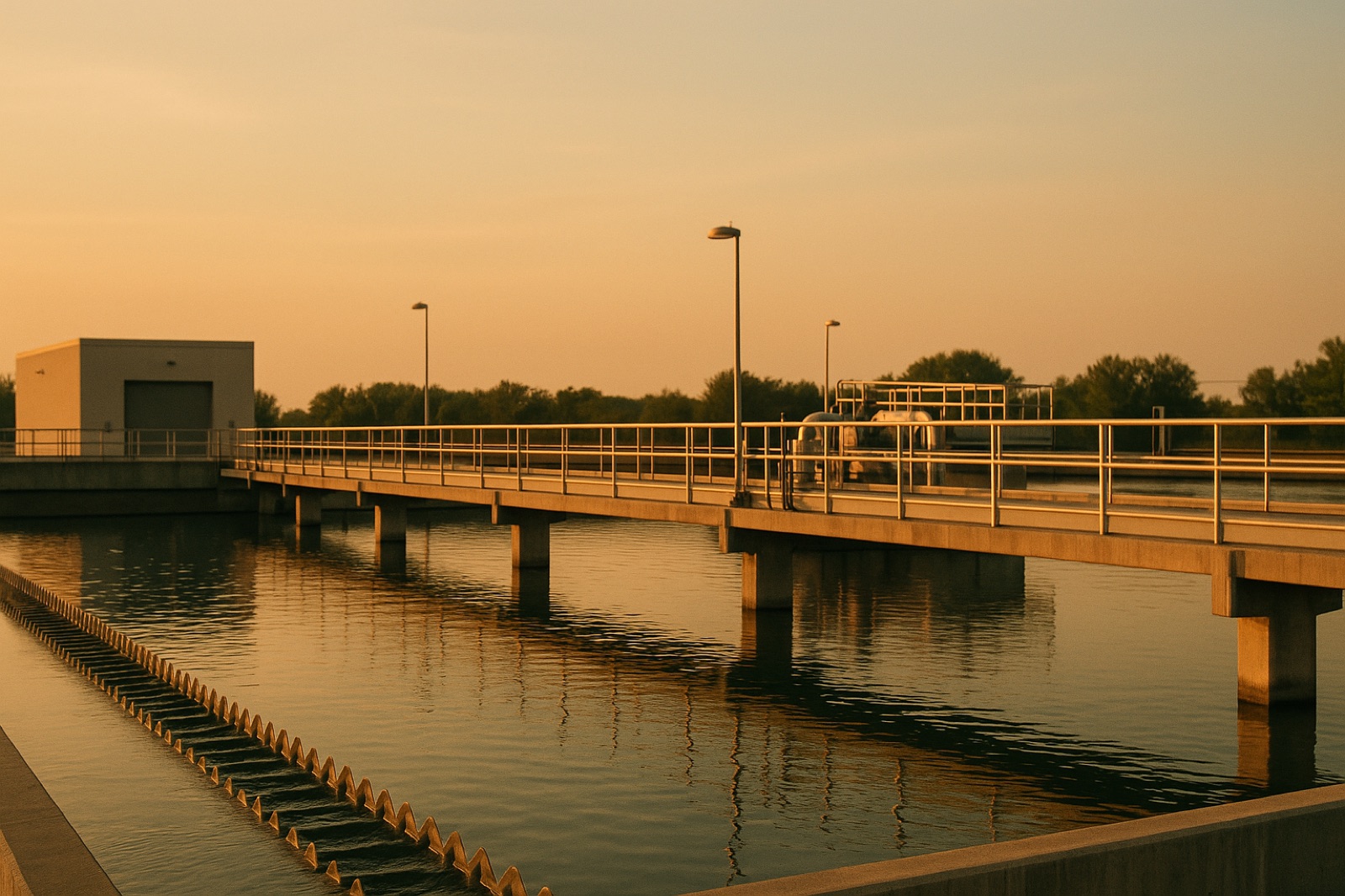
Water systems in rural communities face unique challenges, often influenced by geography, population density, and funding availability. In the Midwest, where agriculture plays a vital role in the economy, the integrity and management of water infrastructure are crucial. The intersection of local needs and broader national trends highlights the importance of sustainable practices in water management.
Understanding Rural Water Systems
Rural water systems serve a smaller population compared to urban systems, which can sometimes lead to underfunding and inadequate maintenance. According to the U.S. Environmental Protection Agency (EPA), rural systems often rely on wells and smaller treatment facilities that can be more susceptible to contamination and operational challenges. The limited financial resources available for these communities make it difficult to implement necessary upgrades or new technologies that could enhance water quality and accessibility.
In contrast to urban areas, where the population density allows for shared infrastructure costs, rural systems must shoulder the burden of maintenance and improvement on a smaller tax base. This situation often leads to a cycle of insufficient funding, where communities are forced to prioritize immediate needs over long-term planning for infrastructure development.
Funding and Support for Rural Water Systems
Recent discussions have surfaced regarding potential federal support for rural water systems. The National Association of Clean Water Agencies (NACWA) recently recognized top-performing clean water utilities, emphasizing the need for high standards in water management across the board. While this recognition is a step in the right direction, rural systems continue to struggle with the basics of infrastructure maintenance and the need for modernization.
As highlighted in a recent report, residents of rural areas often band together to advocate for improvements in their local water systems. This grassroots movement is essential for driving change, but it also underscores the need for a more systematic approach to address the challenges faced by these communities. Many rural residents are concerned about the sustainability of their water sources in light of climate change and increased agricultural demand.
Linking Local and National Issues
The current environmental landscape in the Midwest reflects broader national trends, including the ongoing discussions about infrastructure investment and climate resilience. Communities are increasingly aware of the need to adopt sustainable practices, as seen in various initiatives aimed at improving water quality and protecting local ecosystems.
For instance, while urban areas may face different challenges such as pollution from runoff, rural communities often deal with issues directly related to agricultural practices, such as fertilizer runoff, which can contaminate local water supplies. As the U.S. grapples with these issues at a national level, it is essential to ensure that rural voices are included in the conversation about water management and infrastructure investment.
As highlighted in a recent article by the Water Finance and Management, the focus on clean water utilities reflects a growing recognition of the importance of effective water management practices, but has yet to fully address the unique challenges faced by rural systems.
Conclusion
Ultimately, addressing the water infrastructure needs of rural communities in the Midwest requires a multi-faceted approach that combines local advocacy with national policy changes. By focusing on sustainable practices, ensuring equitable funding, and fostering community engagement, we can work towards a future where all residents have access to safe and reliable water sources. This not only benefits individual communities but also contributes to the overall health and sustainability of the Midwest region.