Infrastructure
Water Infrastructure in the Midwest: Addressing the Challenges of Aging Systems
As many Midwest water systems struggle with outdated infrastructure, innovative solutions are being explored to ensure safe and reliable drinking water.
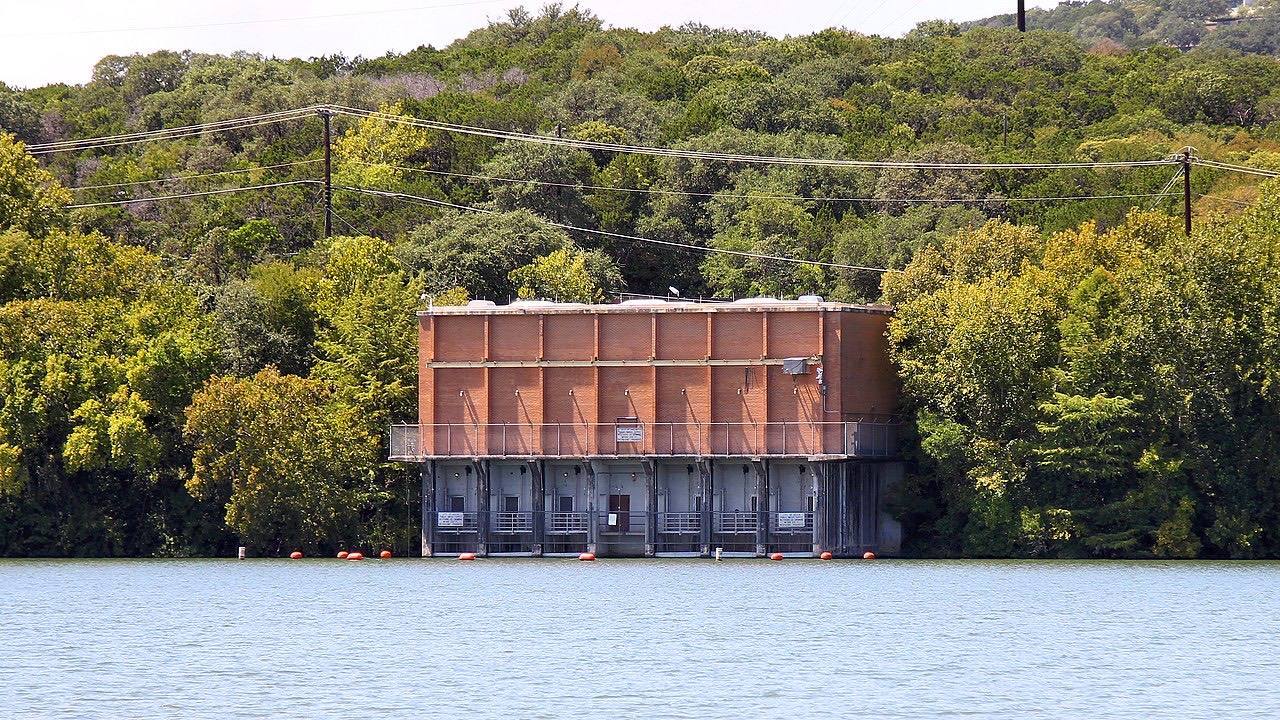
The aging water infrastructure across the Midwest is an issue that has been gaining attention in recent years. With many pipes and treatment facilities built decades ago, it is crucial for communities to understand the implications of these outdated systems and the steps necessary to modernize them.
The Current State of Water Infrastructure
For many cities and towns, water infrastructure often consists of aging pipes, some of which are over a century old. This deterioration can lead to various problems, including leaks, water quality issues, and increased operational costs. According to reports from various water management organizations, many communities face significant challenges in maintaining their systems, which can lead to a decrease in public trust.
Recently, the Water Finance and Management reported on Jackson, Mississippi, where the implementation of advanced metering infrastructure (AMI) is critical. AMI technology enhances meter reading accuracy and provides real-time data collection, which helps utilities identify leaks and manage resources more effectively. This type of technological upgrade is one of several strategies being discussed to address the broader issues related to aging water systems throughout the region.
Funding and Support for Upgrades
In June, the U.S. Environmental Protection Agency (EPA) announced a significant funding initiative, directing more than $227 million to American Indian Tribes and Alaska Native Villages for improvements in drinking water and wastewater services. This funding aims to ensure safe and reliable drinking water access in these communities, highlighting the need for investment in water infrastructure. The Water Finance and Management emphasized the importance of this support in addressing longstanding inequities in water access.
In the Midwest, similar funding initiatives can help accelerate modernization projects. State and local governments, along with federal support, are working toward securing funds to replace old pipes, upgrade treatment facilities, and implement modern technologies like AMI.
Community Engagement and Trust
One of the most significant challenges facing water utilities is rebuilding public trust. As incidents of contamination and aging infrastructure come to light, residents are understandably concerned about the quality of their drinking water. Water systems must engage with communities transparently, providing clear information about the state of water quality and infrastructure plans.
The integration of community feedback into decision-making processes can enhance trust and cooperation. Engaging residents in discussions about water management, infrastructure upgrades, and environmental sustainability is essential for fostering a collaborative environment. This is particularly important in light of reports revealing widespread contamination issues, such as PFAS and microplastics, which have raised alarms nationwide. The Water Finance and Management article outlined the persistence of these contaminants in drinking water, prompting further discussions about proactive measures to safeguard public health.
Looking to the Future
The future of water infrastructure in the Midwest hinges on the commitment of local, state, and federal entities to prioritize improvements. Strategies that leverage modern technologies and community involvement can help create resilient water systems that meet the needs of residents. Additionally, as we move forward, it is imperative for communities to consider the role of regional treatment companies that test private wells, ensuring that all sources of water remain safe and reliable.
Ultimately, addressing the challenges of aging water infrastructure requires a multifaceted approach that includes investment, technology, community engagement, and strong regulatory frameworks. As Midwest communities confront these issues, the collective goal remains clear: to provide safe and dependable drinking water for all residents.