Wells & Rural
Exploring Water Conservation Amidst Rising Temperatures in the Midwest
As summer heat intensifies, understanding water conservation becomes crucial for the Midwest.
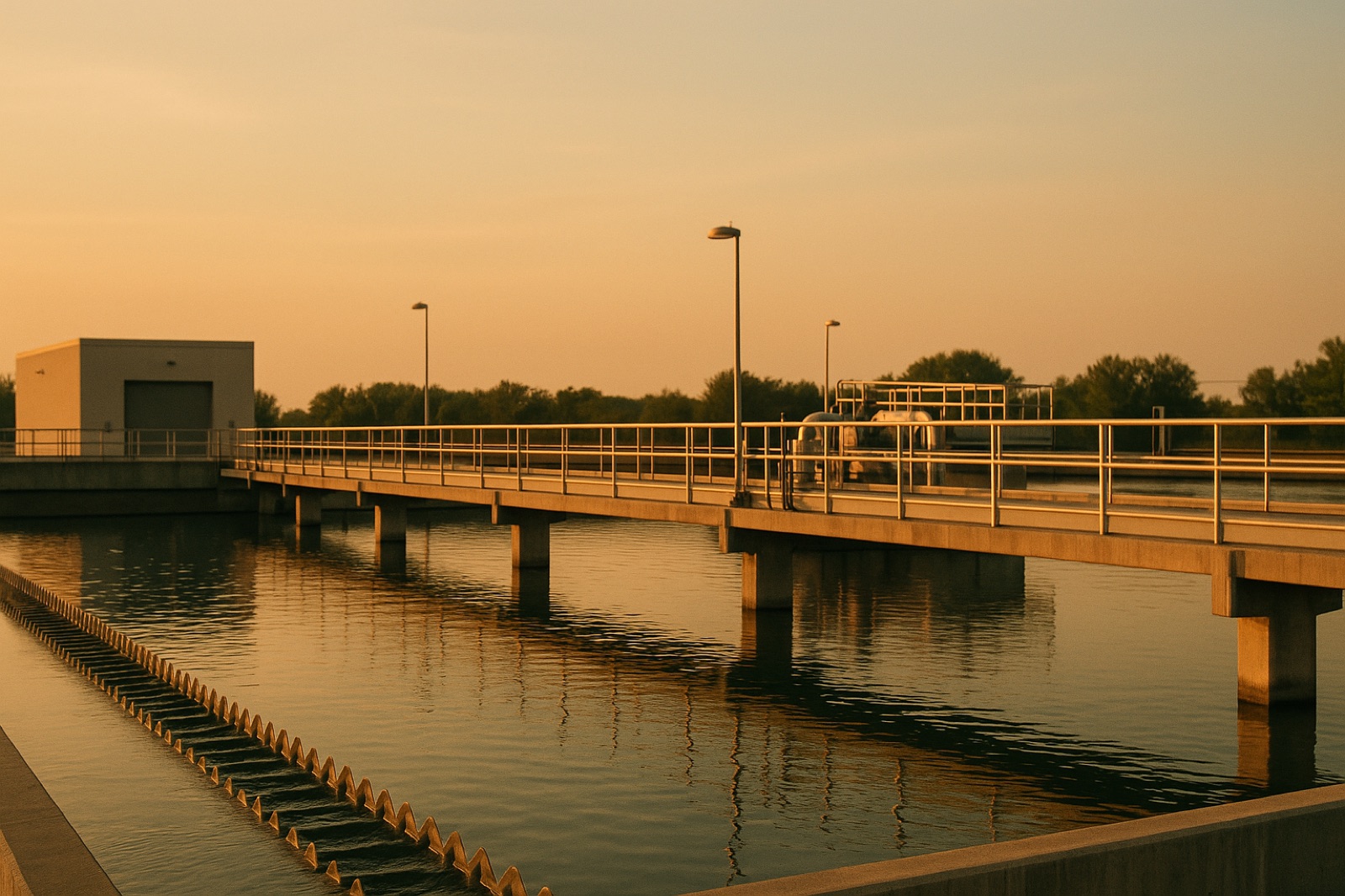
The Midwest is no stranger to hot summers, but the rising temperatures of recent years have prompted serious discussions about water conservation. In the face of climate change and an increasing demand for water, the region’s water systems are under more pressure than ever. This article dives into the practical strategies communities and individuals can adopt to manage this valuable resource effectively.
Understanding Water Resources in the Midwest
The Midwest is characterized by an abundance of freshwater resources, with the Great Lakes, rivers, and aquifers providing a rich supply. However, with the recent rise in extreme heat, it is essential to understand how these resources are managed and what can be done to conserve them.
In many areas, especially rural ones, residents rely on wells that draw from underground aquifers. These aquifers are replenished by rainfall, but during periods of prolonged heat and drought, the rate of water extraction can outpace natural replenishment, leading to concerns over water availability. As temperatures soar, the importance of sustainable water practices becomes even more pronounced.
Strategies for Effective Water Conservation
One effective strategy for water conservation is rainfall harvesting, which involves collecting and storing rainwater for use during drier periods. This can be as simple as using rain barrels to capture runoff from roofs. In rural areas, larger systems that channel water into cisterns can significantly augment water supplies, reducing dependence on wells.
Another vital practice is implementing drought-resistant landscaping, often referred to as xeriscaping. This involves using native plants that require less watering, thus conserving the overall water supply. Not only does this help in maintaining ecosystem balance, but it also reduces the amount of water needed for irrigation.
Community Involvement and Education
Communities play a crucial role in water conservation efforts. Local governments and organizations can promote awareness through educational programs that teach residents about sustainable practices. Workshops on water-efficient gardening, irrigation techniques, and proper maintenance of well systems can empower community members to take action.
For instance, efforts to address the challenges of rising temperatures can be seen in the call for greater access to air conditioning, as highlighted in a recent The Guardian article, which outlines how climate adaptation varies among communities. By focusing on equitable resource distribution, communities can help those most vulnerable to extreme heat while also promoting water conservation.
Investing in Infrastructure
Infrastructure investments are essential for improving water management. Upgrading old pipelines, enhancing water treatment facilities, and ensuring efficient distribution systems can significantly reduce water loss. Moreover, these improvements can increase the resilience of water systems against the challenges posed by extreme weather conditions.
Furthermore, as electric utilities look to adapt to changing climate conditions, the impact on water systems cannot be overlooked. Infrastructure that integrates renewable energy sources can provide a dual benefit of sustainable power generation and reduced water consumption in energy production.
Looking Ahead
As the Midwest continues to confront the effects of climate change, it is crucial to adopt a proactive approach to water conservation. By implementing effective strategies, educating the public, and investing in necessary infrastructure, communities can safeguard this vital resource for future generations. The path ahead may be challenging, but with collective action, the Midwest can navigate the complexities of water management in a warming world.