Wells & Rural
The Unseen Challenge of Water Quality in Rural Indiana
Rural areas face unique challenges in ensuring safe drinking water as they navigate the complexities of well water testing and treatment.
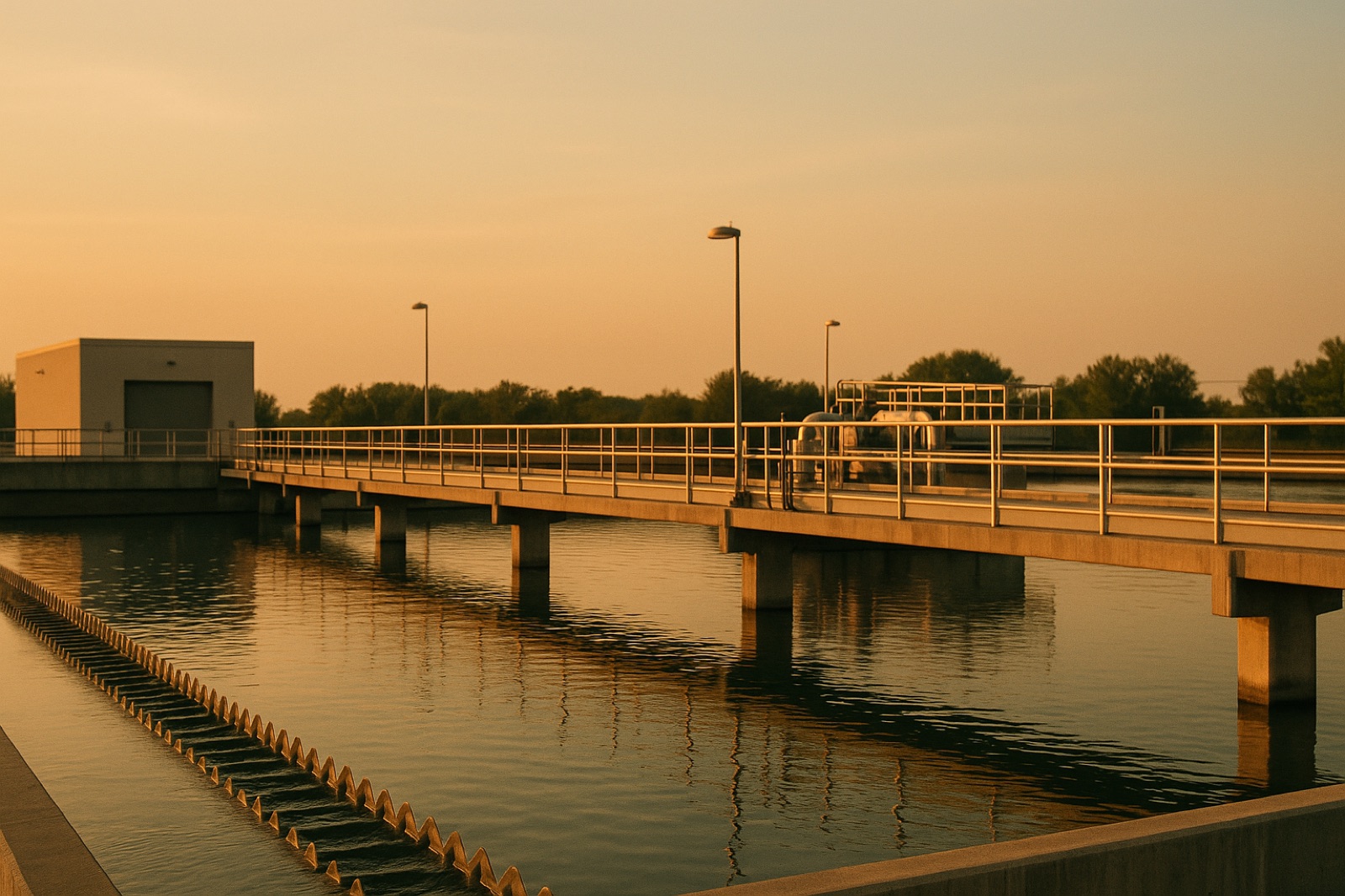
In rural Indiana, many residents rely on private wells for their drinking water. While well water can be an excellent source of fresh water, it also poses unique challenges in terms of quality and safety. Unlike municipal water systems, which are routinely tested and treated, private wells depend largely on the owner’s diligence to monitor their water quality.
Understanding Well Water Testing
Well water is not subject to the same regulations as public drinking water systems, which means it is the responsibility of homeowners to ensure their water is safe. This can involve regular testing for contaminants such as nitrates, heavy metals, and bacteria. The Indiana Department of Environmental Management (IDEM) recommends that well owners test their water at least once a year. However, many residents may not be aware of this recommendation or may find the testing process cumbersome and costly.
In a state like Indiana, where agriculture plays a significant role in the economy, the potential for contamination from fertilizers and pesticides is particularly concerning. Reports have indicated that agricultural runoff can lead to elevated nitrate levels in rural wells, posing a health risk if consumed over time. This highlights the importance of regular monitoring and adherence to safety guidelines.
The Role of Regional Treatment Companies
For those who discover issues with their well water, remediation options vary. In some cases, regional treatment companies that test private wells can provide solutions, including filtration systems or water softeners, to help ensure that well water meets safety standards. These companies can be invaluable resources for rural residents seeking to navigate the complexities of water treatment.
Challenges of Awareness and Education
Another challenge lies in raising awareness about the importance of well water testing. Many residents may not realize the potential risks associated with untreated well water or may lack access to information about testing and treatment options. Community outreach and educational programs could play a significant role in promoting better practices among well owners, ensuring that they understand the risks and responsibilities of managing a private water source.
Moreover, the Indiana Geological Survey has indicated that about one-quarter of Indiana's households rely on private wells, making it essential to prioritize public health initiatives focused on water quality in these areas.
A Broader Context: Water Quality Issues Beyond Indiana
While rural Indiana faces its own unique challenges, issues of water quality are not confined to the state. For example, Circle of Blue highlighted that saltwater intrusion is becoming a critical issue in Gambia, affecting agricultural land and freshwater sources. This situation serves as a reminder that the challenges of water quality can vary widely depending on geography and local conditions, necessitating region-specific solutions.
Similarly, North Bay, Ontario, is grappling with contamination from PFAS chemicals, leading to public health concerns. These examples underscore the importance of vigilance and proactive measures in protecting water sources across various regions.
Moving Forward
The challenges associated with ensuring safe drinking water from private wells in rural Indiana are significant, but they can be addressed through education, awareness, and collaboration with regional treatment companies. By engaging with communities and providing clear information about testing and treatment options, it is possible to improve water quality and public health outcomes for rural residents.
As the conversation around water quality continues to evolve, it is crucial for rural communities to stay informed and proactive in their approach to managing their water resources. Ensuring that every drop of water from a private well is safe to drink should be a shared goal that resonates throughout Indiana and beyond.