Great Lakes
Understanding Water Systems in the Age of Climate Change
An analysis of the effects of climate change on water systems in the Midwest.
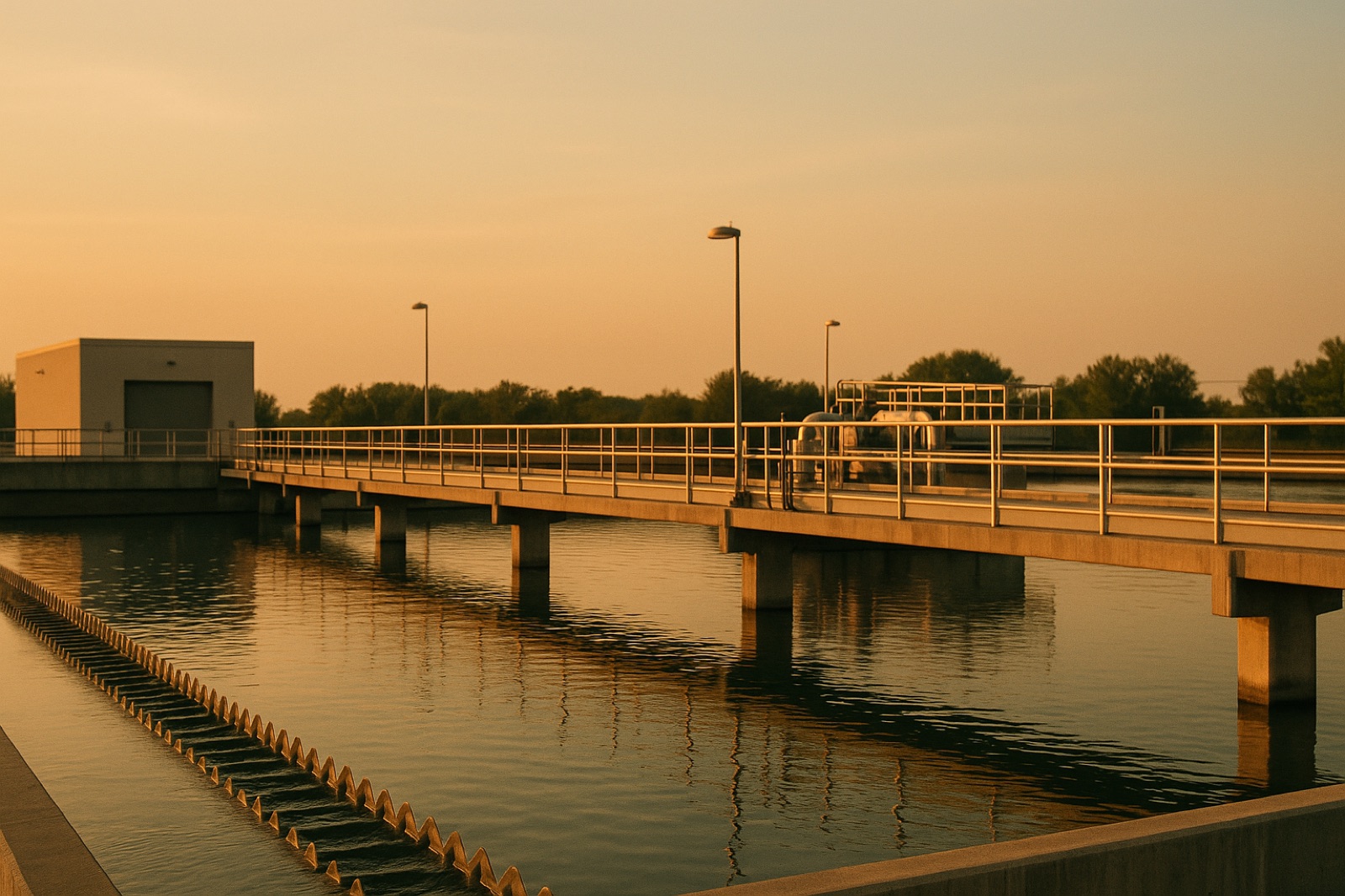
Water systems in the Midwest, particularly those surrounding the Great Lakes, are increasingly facing challenges related to climate change. As global temperatures rise, we are witnessing shifts in precipitation patterns, increasing temperatures, and rising water levels in the Great Lakes. These changes have significant implications for local ecosystems, agriculture, and municipal water supply.
Shifts in Precipitation Patterns
Historically, the Midwest has enjoyed a relatively stable precipitation pattern, with regular seasonal rainfall contributing to groundwater replenishment and surface water availability. However, climate change is leading to more extreme weather conditions. The National Oceanic and Atmospheric Administration (NOAA) reports that the region has seen an increase in heavy rainfall events. This not only contributes to flooding but also increases the risk of runoff contamination, where pollutants are washed into lakes and rivers.
For communities that rely on these water sources for drinking water, the quality and safety of the water supply become a pressing concern. Adapting to these changes requires significant infrastructure investment in stormwater management systems to prevent contamination and ensure clean water access.
Rising Temperatures and Water Levels
The Great Lakes are experiencing rising temperatures, which can lead to changes in aquatic ecosystems. Warmer waters may be conducive to harmful algal blooms, which pose risks to public health and local economies reliant on tourism and fishing. In addition, rising water levels can lead to erosion of shorelines and damage to infrastructure.
As water levels fluctuate, municipalities need to consider how to manage these changes effectively. This may involve reinforcing existing infrastructure or developing new strategies to cope with both rising and falling water levels.
Lessons from Global Examples
Looking beyond the Midwest, the situation in Gambia illustrates some of the broader impacts of climate change on water systems. There, salt water intrusion is becoming a significant issue, affecting agricultural productivity and drinking water supplies as sea levels rise. Circle of Blue highlights how communities are grappling with these changes, which could serve as a cautionary tale for Midwest residents who may not yet fully appreciate the risks posed by climate change.
Understanding the implications of climate change for local water systems is crucial. By recognizing these challenges now, communities in the Midwest can take proactive measures to safeguard their water resources. This may include investing in green infrastructure, enhancing conservation practices, and implementing policies that focus on sustainability.
Conclusion
As the Midwest navigates the complex relationship between climate change and water management, it is essential to foster community engagement and education. Local water systems can only thrive if residents are informed and involved. Whether through participation in local environmental initiatives or advocacy for sustainable policies, each individual has a role to play in shaping a resilient water future.