Wells & Rural
Understanding the Impact of Water Shortages on Rural Communities in the Midwest
Rural areas in the Midwest face unique challenges related to water access and management, particularly as climate pressures mount.
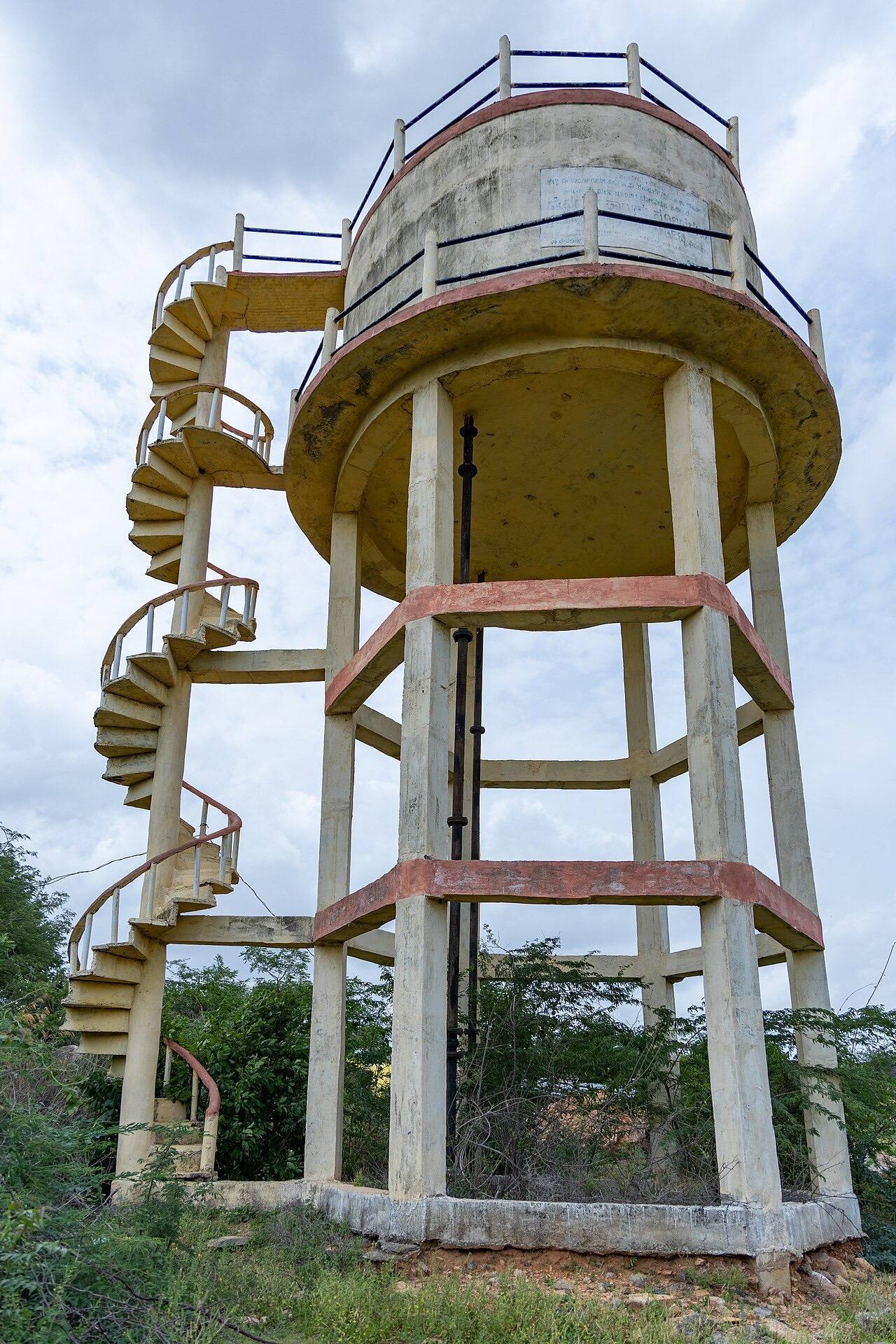
Water is a fundamental resource for all communities, but in rural areas of the Midwest, the challenges related to water access and management can be particularly acute. As climate change and other environmental pressures impact water availability, understanding how these factors play into the daily lives of residents is essential.
The Importance of Wells in Rural Water Supply
In many rural communities, private wells are the primary source of water. Unlike urban areas where centralized water systems distribute treated water to homes, rural residents often rely on individual wells, which can present a range of challenges. The quality of groundwater can vary significantly based on geological conditions, agricultural runoff, and other local factors.
When drought conditions occur, or when heavy rainfall leads to flooding, these wells can be compromised, leading to water shortages. A well's ability to provide a consistent supply of water is dependent not only on its depth and construction but also on the surrounding aquifer's health. As we have seen in cases across the Midwest, including some rural areas facing severe water stress, it is critical to monitor and manage these water sources effectively.
Lessons from Other Regions
Recent reports from other parts of the United States shed light on how water shortages can disrupt communities. For instance, in Puerto Rico, water shortages have arisen from pipeline ruptures, driving up costs and deepening frustrations among residents. As The Guardian reported, individuals like restaurant owners in San Juan face significant challenges as water outages severely disrupt daily life.
This situation highlights how dependent communities are on reliable water infrastructure and how quickly those systems can break down under stress. Though the Midwest is not experiencing the same immediate crisis as Puerto Rico, understanding the implications of water shortages in different contexts can help identify potential vulnerabilities in our own systems.
Climate Change and Water Availability
Climate change is amplifying the challenges of water management in the Midwest. Fluctuations in precipitation, increased evaporation rates, and shifting weather patterns all contribute to changing water availability. Droughts can put additional strain on the groundwater resources that rural areas depend upon. According to various climate studies, the Midwest may see an increase in extreme weather events, which can complicate water management even further.
For rural residents, the implications are significant. Farmers and families relying on wells may find that their water supply is inconsistent, leading to heightened competition for resources. In some cases, deeper wells may need to be drilled, which can be a costly and time-consuming process.
Addressing Water Shortages in the Midwest
As rural areas in the Midwest face these water challenges, several strategies can help mitigate the impact of shortages. First, investing in robust water management systems that include monitoring groundwater levels and quality can provide essential data to inform decision-making. This could involve local governments working alongside agricultural stakeholders and residents to develop sustainable water practices.
Moreover, community education around water conservation practices plays a crucial role. Encouraging residents to implement water-saving measures can ease some of the pressure on local aquifers. Programs that promote rainwater harvesting or the use of native plants in landscaping can also help conserve water.
The Path Forward
While the Midwest is not currently facing a water crisis on the same scale as regions like Puerto Rico, understanding the underlying factors that contribute to water shortages is essential for rural communities. By taking proactive steps to manage water resources, residents can work towards a more sustainable future. The stories unfolding in other parts of the country remind us that the pressures on water systems can escalate quickly, and preparedness is key to resilience.
As we look ahead, it is essential for policymakers and community leaders to prioritize water access and infrastructure to ensure that all residents, especially those in rural areas, have the resources they need to thrive.