Great Lakes
Understanding Water Rights Conflicts in the Great Lakes Region
Water rights issues in the Great Lakes are complex, influenced by historical treaties, environmental concerns, and ongoing negotiations.
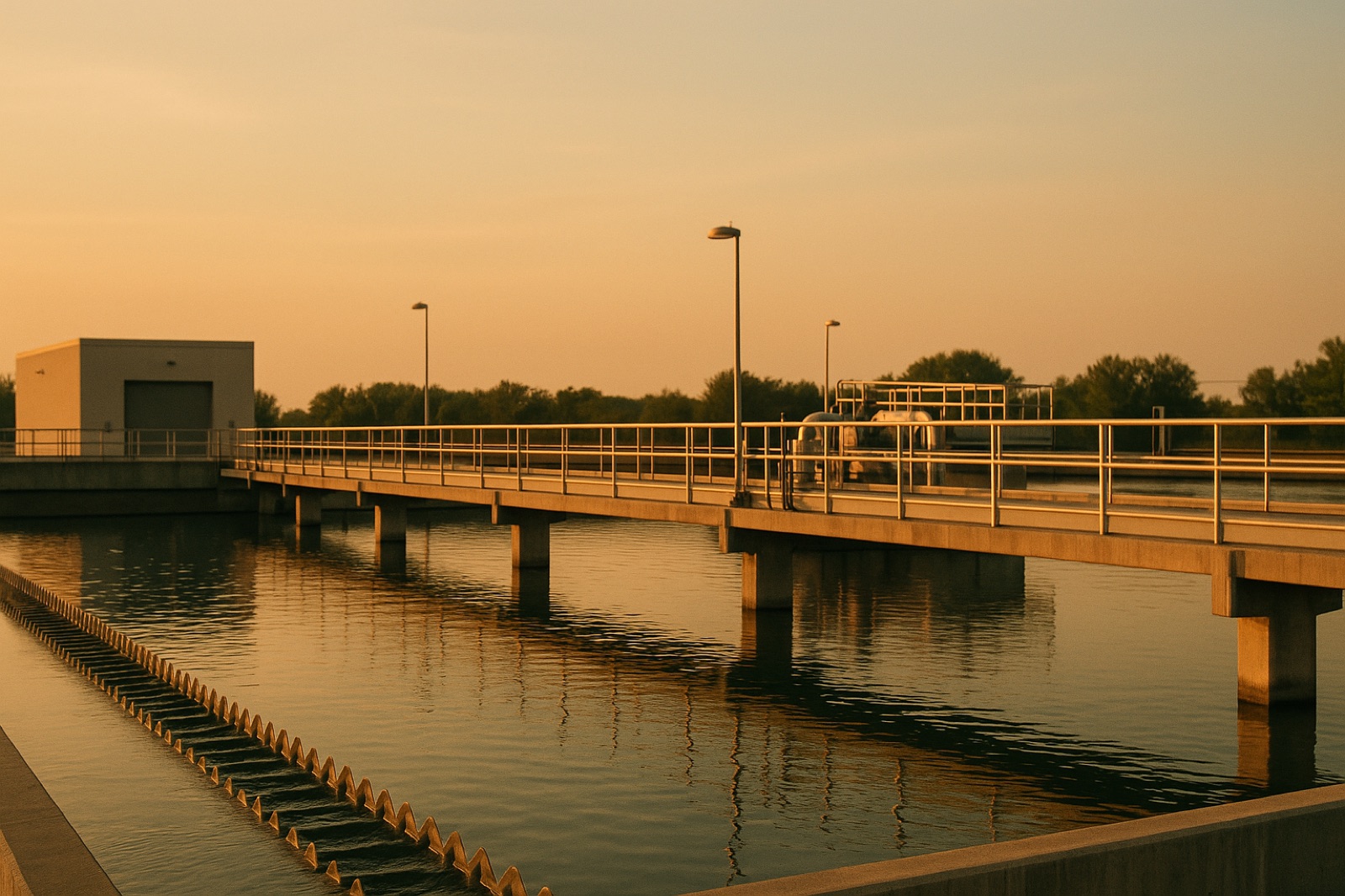
Water rights are a pressing issue across the Great Lakes region, where the interplay of various interests - from Indigenous tribes to municipal demands - creates a complex landscape of management and governance. The Great Lakes, one of the largest freshwater systems in the world, face multiple challenges, particularly in how water is allocated and who has the authority to manage it.
The Historical Context of Water Rights
The historical context of water rights in the Great Lakes is essential for understanding current disputes. Many Indigenous tribes maintain historical claims to these waters, rooted in treaties signed long before statehood and modern resource management practices. These treaties often include stipulations regarding fishing and water use rights, which have been central to the ongoing negotiations and conflicts.
Recent Developments in Water Rights
One recent significant development is the negotiation process surrounding the Colorado River, where Native American tribes came together to secure their rights to Colorado River water. This situation highlights the importance of collaborative agreements among stakeholders, which could serve as a model for similar negotiations in the Great Lakes region. In this case, four states are stalling the deal, revealing the complexities and challenges inherent in water rights negotiations.
The Role of Environmental Concerns
Water quality and environmental sustainability are also critical factors in water rights discussions. The Great Lakes face several environmental threats, including pollution and invasive species, which complicate water management efforts. Stakeholders must balance the need for water access with the imperative to protect and preserve the ecosystem.
Community Engagement and Future Directions
Community engagement plays a vital role in shaping water rights policies. Initiatives to educate the public about the importance of water conservation and the historical context of water rights can foster a more informed citizenry. This awareness is crucial for disrupting the often adversarial nature of water rights discussions and promoting collaborative solutions.
In conclusion, the water rights landscape in the Great Lakes is multifaceted and influenced by history, culture, and environmental concerns. As stakeholders navigate these complexities, it is essential to prioritize dialogue and collaboration to ensure equitable and sustainable water management for all users.