Great Lakes
Understanding Water Infrastructure Challenges in the Great Lakes Region
A look at the critical issues surrounding water infrastructure in the Great Lakes and how communities are responding.
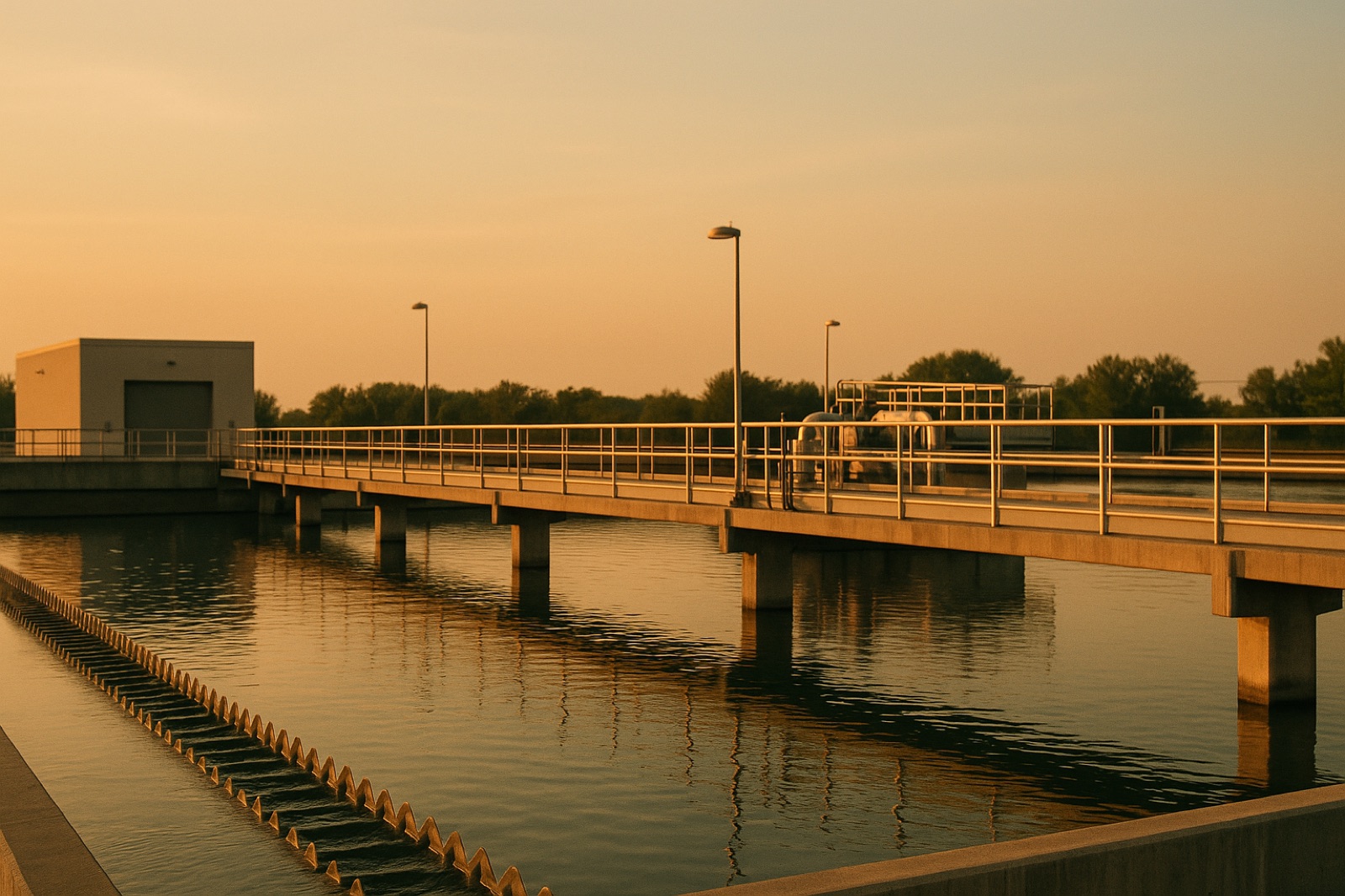
The Great Lakes, often referred to as the "freshwater seas" of North America, provide drinking water to millions while also supporting economic activities from agriculture to tourism. However, the aging water infrastructure across this region presents significant challenges that require urgent attention. Understanding these challenges is vital for the sustainability of water resources and public health.
The State of Water Infrastructure
Many cities around the Great Lakes are grappling with water infrastructure that is decades old. In some cases, pipelines and treatment facilities are nearing the end of their operational lifespan, leading to increased maintenance costs and the risk of service disruptions. For example, some municipalities in Michigan have reported issues with lead leaching from aging pipes, raising concerns about the safety of drinking water. Upgrading this infrastructure not only requires financial investment but also strategic planning to ensure that communities have reliable access to clean water.Investment and Community Engagement
Local governments are beginning to take steps to address these infrastructure challenges, often through public engagement and funding initiatives. Federal and state support programs are vital but can sometimes be slow to respond. Communities need to actively participate in discussions about their water systems to ensure that local needs are met. Town hall meetings and public forums are effective ways for citizens to express concerns, ask questions, and learn about local water management plans.Case Studies from the Region
One notable example comes from North Bay, Ontario, where officials are tackling a PFAS contamination problem. As communities learn about the presence of these "forever chemicals" in drinking water, there is an increasing demand for action and remediation efforts. This case illustrates how local water issues can resonate with broader conversations about environmental health and safety. The federal officials engaged citizens in discussions about how to remediate longstanding contamination, highlighting the importance of transparency and community involvement in addressing such challenges.Public Health Implications
The implications of failing infrastructure extend beyond technical concerns; they also affect public health directly. When water systems are compromised, the potential for waterborne diseases increases. Aging infrastructure can lead to contamination incidents that put vulnerable populations at risk. Therefore, maintaining and upgrading water systems is not just an investment in infrastructure but also in the public's health and well-being.Looking Ahead
As the climate changes and urban populations grow, the challenges facing water infrastructure in the Great Lakes region will only intensify. This presents an opportunity for innovation in water management practices. Solutions such as decentralized water systems, green infrastructure, and updated treatment technologies could help mitigate some of these challenges. Collaboration among local, state, and federal entities will be critical to developing resilient water systems that meet the needs of future generations.In conclusion, addressing the water infrastructure challenges in the Great Lakes is a multifaceted endeavor that requires concerted effort from all stakeholders. From securing funding to engaging with communities, each step taken can help ensure that clean and safe drinking water remains accessible for everyone.