Infrastructure
Understanding Water Infrastructure Challenges in the Midwest
An overview of the current state of water systems in the Midwest amidst growing concerns about quality and accessibility.
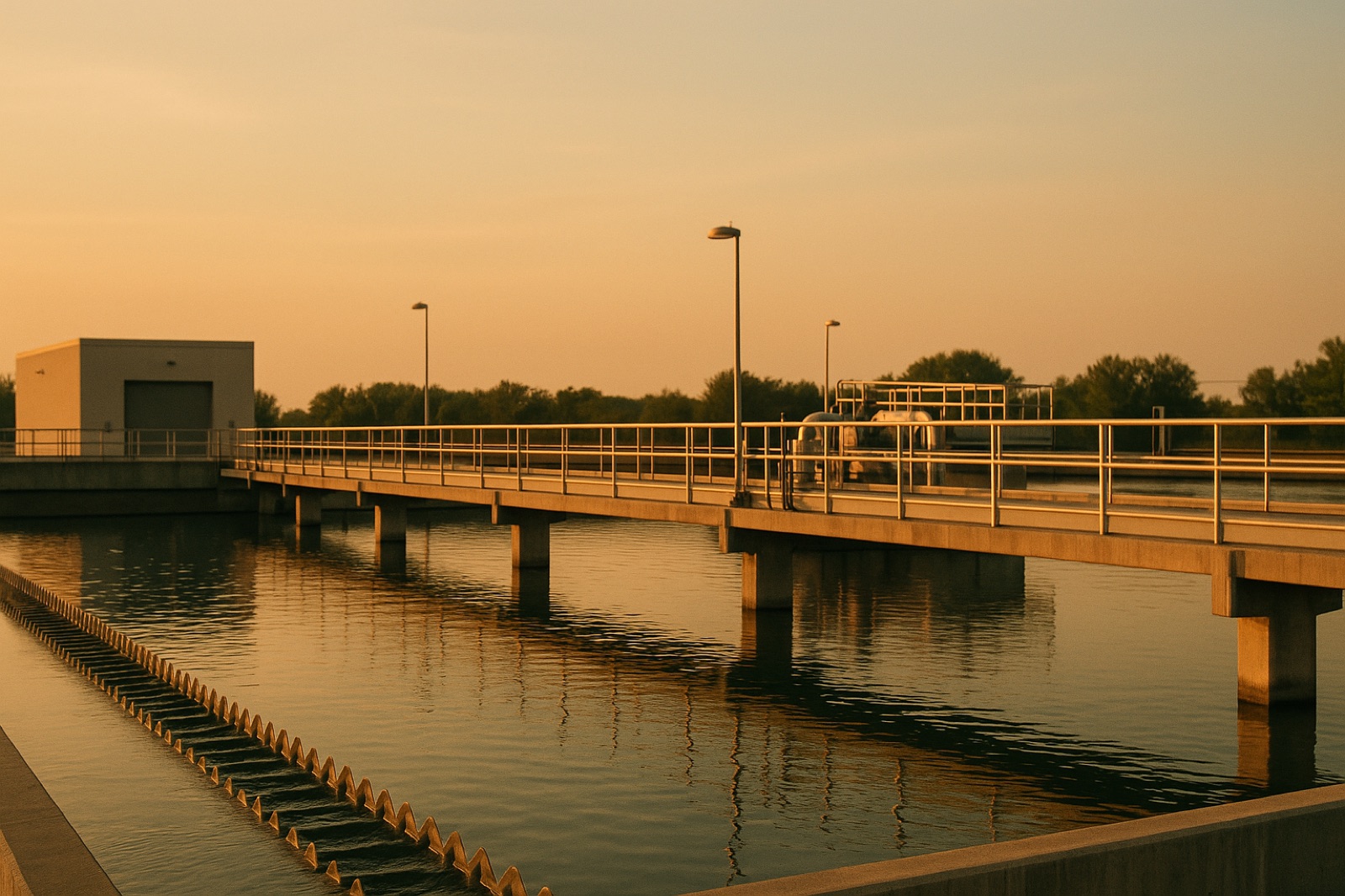
Water is a vital resource, essential for both personal use and the economy. However, the infrastructure that delivers this resource is often under strain. In the Midwest, a region characterized by its diverse water systems, understanding the challenges facing these infrastructures is critical for ensuring reliable access to clean water.
Current State of Midwest Water Systems
Many communities in the Midwest are grappling with aging water infrastructure. Water mains can be decades old, and in some cases, they date back over a century. This age can lead to frequent leaks, resulting in both water loss and increased operational costs for utilities. Furthermore, these aging systems can introduce contaminants into the drinking water supply, raising concerns about public health.
One issue that has gained national attention is the presence of per- and polyfluoroalkyl substances (PFAS) and microplastics in drinking water. Recently, a piece in Water Finance and Management highlighted how PFAS have reshaped the drinking water regulatory landscape in the United States. As these chemicals are found in water supplies across the country, public outcry has intensified, pushing for stricter regulations and better monitoring practices.
Learning from Other Regions
The challenges faced by Midwest water systems can often be contextualized by examining situations in other regions. For example, Puerto Rico is currently experiencing severe water shortages due to a ruptured pipeline, with residents and businesses alike feeling the impact of inadequate water access. This situation is detailed in a recent article from The Guardian, where it notes that "shortages triggered by pipeline rupture drive up costs and deepen frustrations." This incident brings to light the critical importance of maintaining and investing in water infrastructure to prevent similar crises in the Midwest.
The Role of Community Involvement
Addressing these infrastructure challenges requires a collaborative approach that involves not only utility companies and government agencies but also local communities. Engaging with residents can lead to better decision-making and prioritization of projects that address specific local needs. Public forums and informational sessions can help raise awareness about infrastructure issues and gather community input on potential solutions.
Moreover, community involvement fosters a sense of ownership and responsibility towards local water resources. When residents understand the complexities of their water systems and the challenges they face, they are more likely to support initiatives aimed at improving infrastructure and advocating for sustainable water management practices.
Investing in the Future
The future of Midwest water systems hinges on investments in infrastructure modernization and innovative technologies. While funding is often a significant barrier, various state and federal programs are available to assist municipalities in upgrading their water system components. For instance, the Bipartisan Infrastructure Law includes provisions for water infrastructure improvements, which could provide much-needed resources to address the pressing needs of Midwest communities.
In conclusion, the challenges facing water infrastructure in the Midwest are multifaceted, stemming from aging systems and growing concerns about contamination. By learning from other regions and emphasizing community engagement, there is an opportunity to create a more resilient and sustainable water future for all residents.