Infrastructure
Understanding Water Infrastructure Challenges in the Midwest
Exploring how aging systems and funding issues affect water delivery in the region.
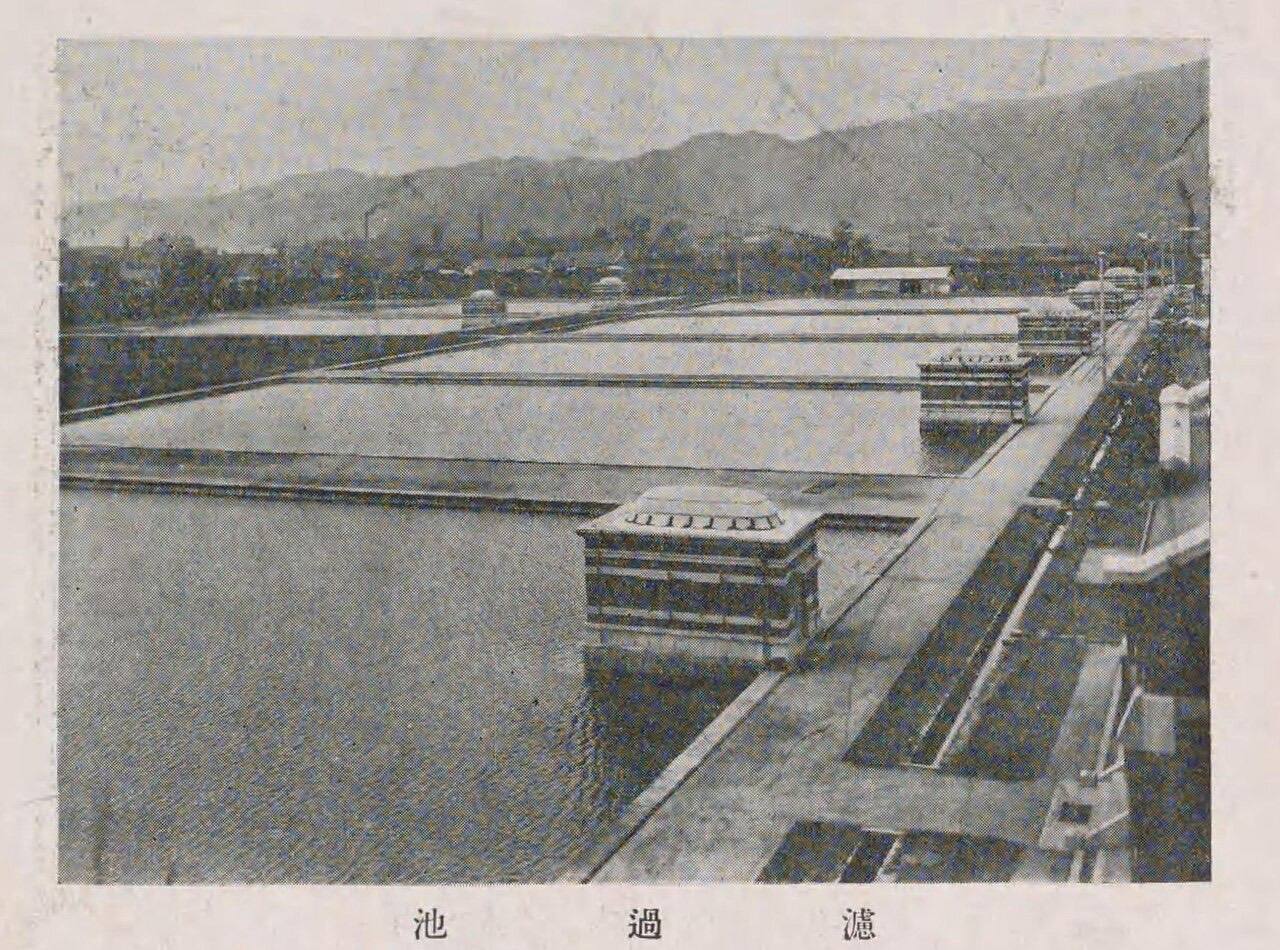
The Midwest is home to a complex network of water systems that serve urban, suburban, and rural populations alike. Many of these systems, however, are facing significant challenges due to aging infrastructure, funding shortages, and evolving environmental conditions. Understanding how these factors interplay is essential for residents, policymakers, and water utility managers.
The State of Aging Infrastructure
Throughout the Midwest, a significant portion of water infrastructure, including pipes, treatment facilities, and distribution systems, is nearing the end of its useful life. According to the American Society of Civil Engineers, many water mains in cities across the region are over 100 years old. These aging systems are prone to leaks and breaks, which can lead to service disruptions and increased costs for both utilities and consumers.
For instance, residents in cities such as Flint, Michigan, have experienced the fallout of aging infrastructure first-hand. Flint’s water crisis raised awareness about the importance of maintaining and upgrading water systems to prevent contamination and ensure safe drinking water. This situation is not unique to Flint; numerous towns and cities across the Midwest face similar issues, raising questions about long-term sustainability.
Funding Challenges
Investing in water infrastructure requires significant financial resources, and many Midwest municipalities struggle to secure the necessary funding. Local governments often rely on a combination of federal, state, and local funding sources to support water projects. However, competition for these funds is fierce, and many communities find themselves competing with larger urban areas for limited resources.
In recent years, federal funding opportunities have emerged to assist with infrastructure upgrades. The Infrastructure Investment and Jobs Act, for example, allocates billions of dollars to improve water systems across the country. However, accessing these funds can be complicated, and smaller municipalities may lack the capacity to navigate the application process effectively. This leads to delays in necessary upgrades and further exacerbates the challenges of aging infrastructure.
Environmental Considerations
Climate change and extreme weather events are also playing a role in the challenges facing water systems in the Midwest. As rainfall patterns change and storms become more intense, water utilities must adapt to manage increased runoff and flooding. The recent experience of Puerto Ricans facing weeks without water due to pipeline ruptures illustrates the serious consequences of infrastructure failures during extreme weather events. In the case of Puerto Rico, shortages were triggered by a pipeline rupture that left many residents and businesses in distress, highlighting the real-time impact that infrastructure issues can have on daily life and economic activity The Guardian, Coral Murphy Marcos.
This situation serves as a stark reminder for Midwestern cities to invest in resilient water systems that can withstand the impacts of climate change. Strategies such as green infrastructure, which uses natural systems to manage stormwater, can help mitigate the effects of heavy rainfall while also enhancing water quality.
Community Engagement and Future Directions
Addressing the challenges faced by water infrastructure in the Midwest requires not only financial investment but also community engagement. Public awareness and educational initiatives can help residents understand the importance of maintaining infrastructure and advocate for necessary funding. Community involvement can also foster partnerships between local governments and residents, ensuring that water management strategies reflect the needs and values of the community.
As the Midwest continues to confront critical water management issues, it is essential for stakeholders to work collaboratively to find solutions. By investing in infrastructure, securing funding, and considering environmental impacts, communities can create a more sustainable and resilient water future.
In summary, water systems in the Midwest are facing significant challenges due to aging infrastructure, funding shortages, and environmental changes. Addressing these issues requires a multifaceted approach that includes financial investment, community engagement, and innovative practices. Only through collective action can the region ensure that its water systems remain reliable and safe for all residents.