Infrastructure
Understanding Water Infrastructure Challenges in the Midwest
An exploration of how aging infrastructure impacts water systems across the Midwest region.
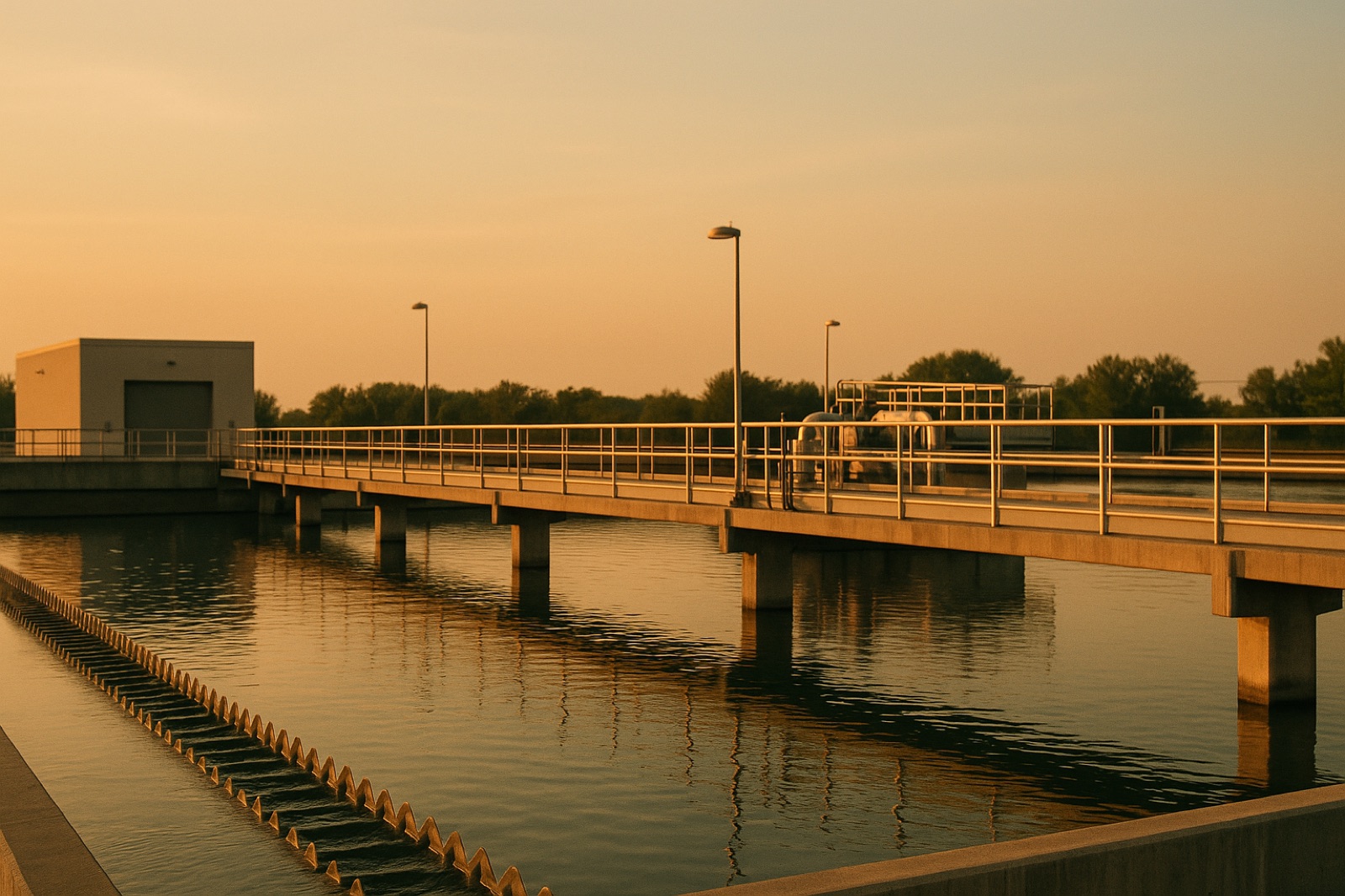
Water infrastructure in the Midwest faces significant challenges, often stemming from aging systems and a lack of funding for necessary upgrades. In regions reliant on an intricate network of pipes, treatment facilities, and storage tanks, the reliability of water delivery directly affects communities’ quality of life and economic health.
The State of Aging Infrastructure
Many Midwestern cities are wrestling with the consequences of decades-old pipelines, some dating back a century. These aging systems are susceptible to leaks, breaks, and corrosion, which can not only disrupt service but also lead to water quality issues. According to the American Society of Civil Engineers, a large percentage of the water infrastructure in the U.S. has been rated in poor condition, indicating an urgent need for repair or replacement.
Funding and Investment Challenges
Funding for water infrastructure projects is often limited. Municipalities rely on a combination of federal, state, and local funding, along with user fees, but competition for these funds can be fierce. The recent bipartisan infrastructure bill passed by Congress allocates significant funds for water infrastructure, but many regions still face the daunting task of securing matching funds and navigating the bureaucratic processes required to access these resources.
Impact on Communities
Aging infrastructure can have profound impacts on communities. In some cases, residents may experience intermittent water service or low water pressure, which can affect daily activities such as cooking, cleaning, and sanitation. Furthermore, infrastructure failures - like pipeline ruptures - can lead to significant economic costs due to necessary repairs and the loss of water service. These issues are not just inconveniences; they can have lasting effects on public health and safety.
Lessons from Recent Events
Recent reports from around the country highlight the urgency of addressing these challenges. For instance, in Puerto Rico, prolonged water shortages have caused major disruptions after a pipeline rupture, leading to rising costs and frustrations among residents and businesses alike. Described as “as if a hurricane had passed,” this situation underscores the vulnerabilities even modern systems face when infrastructure is not well maintained or adequately funded. As noted in a recent article by The Guardian, the pressure is mounting on water utilities to provide reliable service amidst rising public concern.
Future Solutions
To address these ongoing challenges, many Midwest cities are beginning to explore innovative solutions. Some are investing in smart water technologies that can improve monitoring and management of water systems. Advanced metering infrastructure (AMI), for example, allows utilities to track water usage more accurately and detect leaks before they become major problems. Furthermore, utilities are exploring public-private partnerships to leverage additional funding and expertise for infrastructure improvements.
The Role of Community Awareness
Public awareness and community engagement are crucial components in addressing water infrastructure issues. Educating residents about the state of their water systems and the importance of maintenance and investment can foster greater public support for necessary funding initiatives. This community involvement can also lead to advocacy for more sustainable practices and policies that prioritize water stewardship.
Conclusion
As the Midwest continues to grapple with the realities of aging water infrastructure, the path forward will require collaboration at all levels - federal, state, and local - as well as active engagement from the public. By prioritizing repairs, investing in new technologies, and fostering community involvement, Midwestern cities can ensure a more resilient water future for all residents.