Infrastructure
Understanding Water Filtration: How Treatment Facilities Clean Our Drinking Water
A look into the essential processes that ensure safe drinking water in the Midwest.
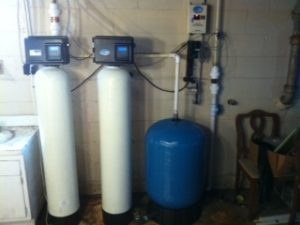
Access to clean drinking water is something many of us take for granted. In the Midwest, water treatment facilities play a vital role in transforming raw water from rivers, lakes, and aquifers into safe, potable water for communities. This article aims to explain the processes involved in water filtration and treatment, demystifying how these systems work to deliver clean water to our taps.
Source Water: The Starting Point
Before any filtration process begins, the source water must be identified. This water can come from various sources including rivers, lakes, and underground aquifers. Each of these sources presents unique challenges and requires different treatment approaches. For instance, river water may contain sediments and organic materials that need significant processing, while groundwater may naturally be cleaner but can still have contaminants such as nitrates or heavy metals.
Intake Process: Bringing Water In
The first step in treatment is the intake process. Water is drawn from the source and channeled into the treatment facility. This process often includes screening to remove large debris such as leaves, twigs, and trash. Depending on the facility, this may involve mechanical screens or bar racks designed to catch larger objects before they can enter the treatment system.
Coagulation and Flocculation: Removing Particles
Once the water is in the facility, it undergoes coagulation, where chemicals called coagulants are added to the water. These coagulants, such as alum, help to bind small particles together into larger clusters known as floc. After coagulation, the water moves to the flocculation stage, where gentle mixing encourages these floc particles to grow larger. This process is crucial for removing suspended solids, dirt, and some pathogens.
Clarification: Settling Out the Sludge
Following flocculation, the water enters a clarification phase. Here, the water sits in large basins allowing gravity to do its work. The heavier floc particles settle to the bottom, forming a sludge layer. The clarified water then flows over weirs, leaving behind the settled sludge, which is typically removed and treated as waste. This step significantly reduces the cloudiness and particulate matter in the water.
Filtration: The Final Cleanse
The next step is filtration, where the clarified water passes through various media such as sand, gravel, and sometimes activated carbon. This filtration process removes any remaining particles and microorganisms. The type of filtration system used can vary - some facilities may employ membrane filtration or advanced filtration methods to ensure that even the smallest contaminants are removed.
Disinfection: Killing Harmful Pathogens
After filtration, the water undergoes disinfection to eliminate harmful bacteria, viruses, and parasites. The most common method of disinfection is chlorination, where chlorine is added to the water to kill pathogens. Other methods include the use of ultraviolet (UV) light or ozone. The choice of disinfection method can depend on the specific water quality and regulatory requirements.
Storage and Distribution: Ready for Use
Once treated, the clean water is stored in large tanks or reservoirs before it is distributed to homes and businesses. During this phase, the water is often tested regularly to ensure it meets safety standards. Additionally, many facilities continuously monitor water quality throughout the distribution system to detect any contamination.
The Importance of Regular Maintenance and Upgrades
Water treatment facilities require regular maintenance and upgrades to ensure they can handle current demands and evolving water quality challenges. Aging infrastructure poses risks, which is why many utility companies in the Midwest are focusing on improving and modernizing their treatment processes through technology and investment.
Understanding Your Water Source
Knowing how your drinking water is treated can empower you as a consumer. Engaging with your local water authority and understanding the specific processes in place can enhance your awareness of water quality issues in your community. Many utilities also provide annual water quality reports that detail the sources of your water, what contaminants were found, and how they are being addressed.
Overall, while the processes of water filtration and treatment may seem complex, they are designed to ensure that the water you drink is safe and clean. By understanding these processes, residents of the Midwest can better appreciate the vital service provided by their local water treatment facilities.