Missouri
Understanding the Water Challenges in Missouri's Coal Regions
Missouri's coal regions face water management challenges tied to environmental and economic factors.
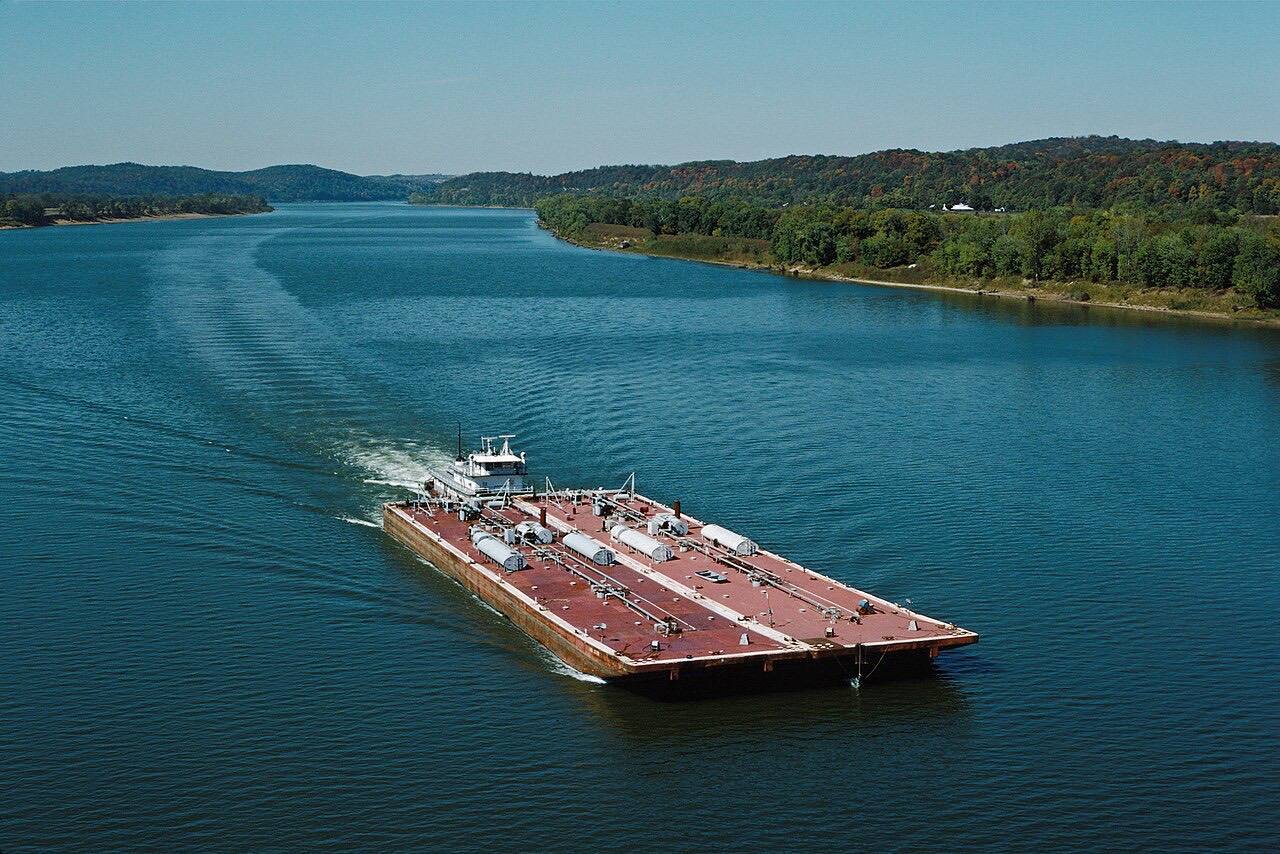
Missouri’s coal regions are at a crossroads, where environmental concerns intersect with water management challenges. As coal-fired power plants face increasing scrutiny for their environmental impact, the implications for local water systems are becoming more pronounced. Understanding how these dynamics interact is crucial for residents and policymakers alike.
The Impact of Coal on Water Systems
In Missouri, coal has historically been a significant energy source, providing power to homes and businesses. However, the environmental footprint of coal extraction and combustion can have detrimental effects on local water systems. These plants often use large quantities of water for cooling and can discharge pollutants into nearby rivers, lakes, and groundwater. This can lead to contamination, affecting both drinking water quality and the health of local ecosystems.
Regulatory Landscape and Local Responses
As awareness of water pollution increases, regulatory bodies have begun to tighten standards for water quality. The Missouri Department of Natural Resources, for instance, is tasked with overseeing water safety and has been involved in monitoring water quality in areas near coal power plants. The goal is to ensure that local communities have access to safe drinking water, which is becoming a pressing issue as more residents express concern over contamination.
In many instances, local water managers have begun to adopt more integrated water resource management strategies. This approach encourages collaboration among stakeholders, including local governments, environmental groups, and the energy sector, to address water quality concerns. Such partnerships are vital in creating innovative solutions that balance energy needs with water conservation and protection.
Recent Developments: The AI Boom and Water Management
In parallel to these local efforts, broader economic trends are impacting Missouri's water landscape. For example, the recent boom in artificial intelligence technology has been linked to a prolonged reliance on fossil fuels, particularly in regions like Indiana. Although this trend is primarily observed in neighboring states, it underscores the interconnected nature of energy and water management across the Midwest. The implications of this economic shift can ripple into Missouri, affecting local water systems as demand for water-intensive energy production grows.
As noted in a recent article from Circle of Blue, the AI boom is leading to hidden costs for water, which can serve as a warning for Missouri as it navigates similar challenges. The need for sustainable practices in energy production has never been more critical, as communities weigh their options for reducing water pollution and conserving vital resources.
Community Engagement and Future Directions
Community engagement plays a crucial role in addressing these water challenges. Residents in coal regions are increasingly advocating for transparency in water quality monitoring and demanding action from local authorities to ensure their water is safe. Initiatives aimed at educating residents about water management and pollution prevention are essential in fostering a knowledgeable public that can participate in decision-making processes.
Furthermore, technological advancements in water treatment and monitoring systems are providing new opportunities for improving water quality. Local governments and utilities are beginning to explore these innovations, which could lead to enhanced resilience against pollution and contamination.
Conclusion
As Missouri’s coal regions grapple with the complexities of water management, the interplay between energy production and water quality will continue to be a significant issue. Through regulatory oversight, community engagement, and innovative approaches to water management, there is potential for positive change. Residents and policymakers must work collaboratively to navigate these challenges and ensure access to clean, safe water for all.