Wells & Rural
Understanding Water Access in a Warming World
As climate change intensifies, access to water becomes increasingly crucial for communities across the Midwest.
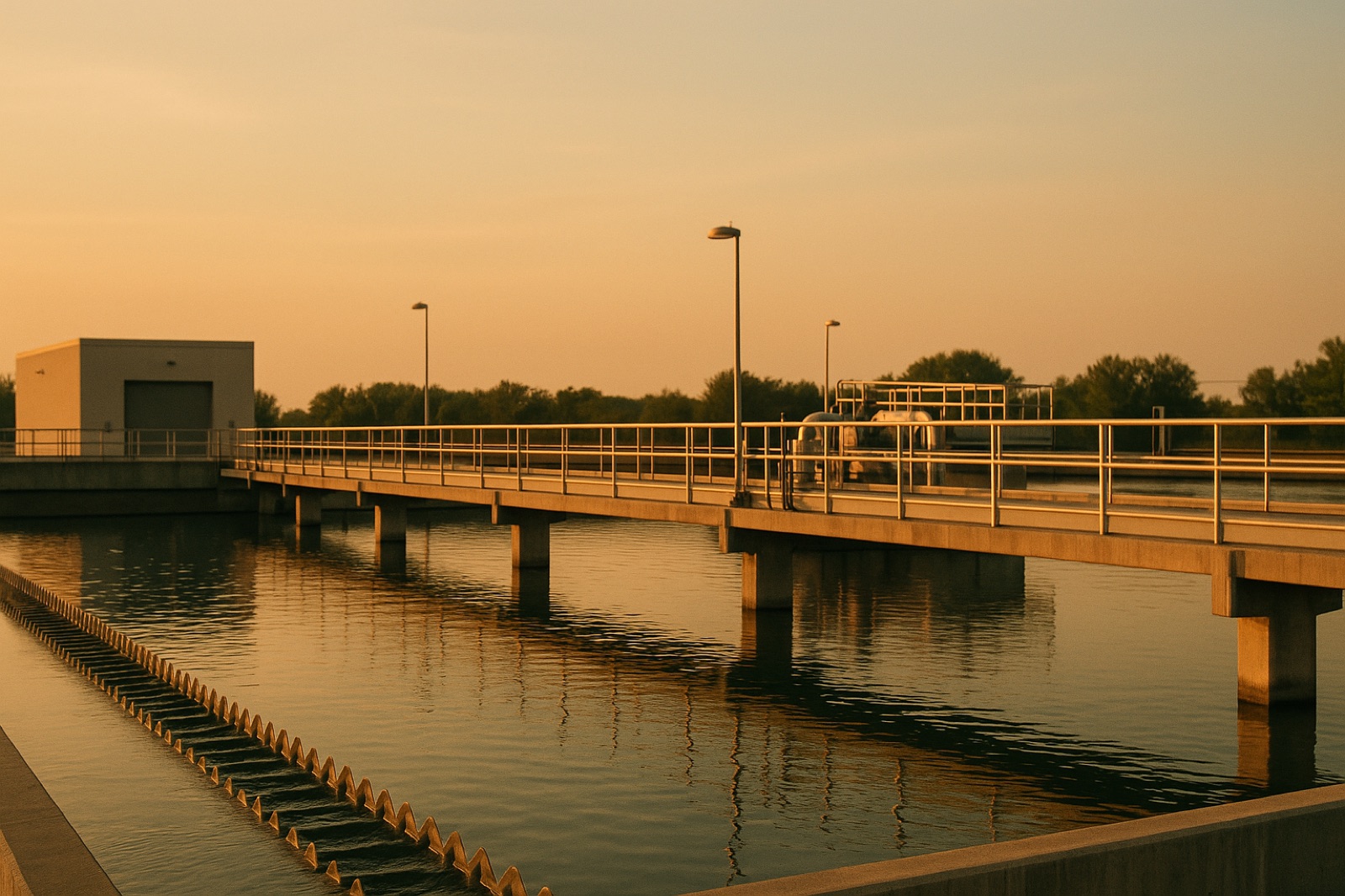
In the Midwest, the availability and accessibility of water are becoming central concerns as climate change continues to reshape weather patterns and impact local resources. While the region is often seen as water-rich, shifts in rainfall, temperature, and extreme weather events are raising alarms about long-term water security.
Recent discussions around climate change have underscored the importance of equitable access to water, particularly as communities face challenges such as increased heatwaves and unpredictable weather patterns. For instance, an article in The Guardian highlights how extreme heat exacerbates existing inequalities, noting that "the next great climate divide will be between countries that have the resources to adapt and those that don’t." In the Midwest, the effects of climate change, especially on water resources, could deepen these divides.
Access to water sources is not uniform across the region. Rural communities, in particular, often rely on wells for their drinking water. As climate conditions change, the sustainability of these wells can be jeopardized. Droughts, which are expected to become more frequent, can lower groundwater levels, reducing the amount of water available for consumption and agriculture. It is crucial for residents to understand the mechanics of well systems to ensure they can manage their water resources effectively.
The Mechanics of Well Systems
Wells tap into underground aquifers, which are natural water storage systems formed by the infiltration of rainwater and surface water. When a well is drilled, a pump is generally installed to draw water from the aquifer to the surface. This water is then used for various purposes, including drinking, irrigation, and livestock. However, as demand increases and climate conditions fluctuate, the aquifer may not recharge quickly enough to maintain adequate water levels.
In rural areas, particularly those reliant on agriculture, the implications of over-pumping can be severe. It can lead to dry wells and increased salinity in the remaining water, which can render it unsuitable for consumption and irrigation. This scenario highlights the importance of sustainable water management practices, including reducing water usage where possible and employing techniques to recharge aquifers.
Innovative Solutions for Water Sustainability
Communities are beginning to adopt innovative solutions to combat the challenges posed by water scarcity. For example, rainwater harvesting systems capture and store rainwater for later use, lessening reliance on groundwater sources. Additionally, educational programs about proper well maintenance and groundwater management practices are being implemented to empower residents in rural areas. By understanding their water systems better, residents can make informed decisions that contribute to the sustainability of their water supply.
Policy initiatives at both the state and federal levels are also critical in addressing water scarcity. Investments in infrastructure to improve water distribution systems and enhance the resilience of existing wells can provide much-needed support to vulnerable communities. Enhanced regulations regarding water usage and management practices can ensure that all residents have access to safe and sufficient water, regardless of their geographic location.
As climate change continues to impact the Midwest, understanding the dynamics of water systems and actively working towards sustainable practices will be essential for ensuring that communities can adapt and thrive. The issues surrounding water access are complex, but with thoughtful engagement and a commitment to sustainability, it is possible to navigate these challenges effectively.
Ultimately, the conversation about climate change and water access is about more than just resources; it is about the resilience of communities and their ability to adapt to a changing world. By prioritizing education, innovation, and policy support, the Midwest can work towards a future in which water is accessible to all, even in an increasingly uncertain climate.