Wells & Rural
Understanding the Impact of Rural Water Systems in the Midwest
Exploring the challenges and dynamics of water systems in rural Midwest communities.
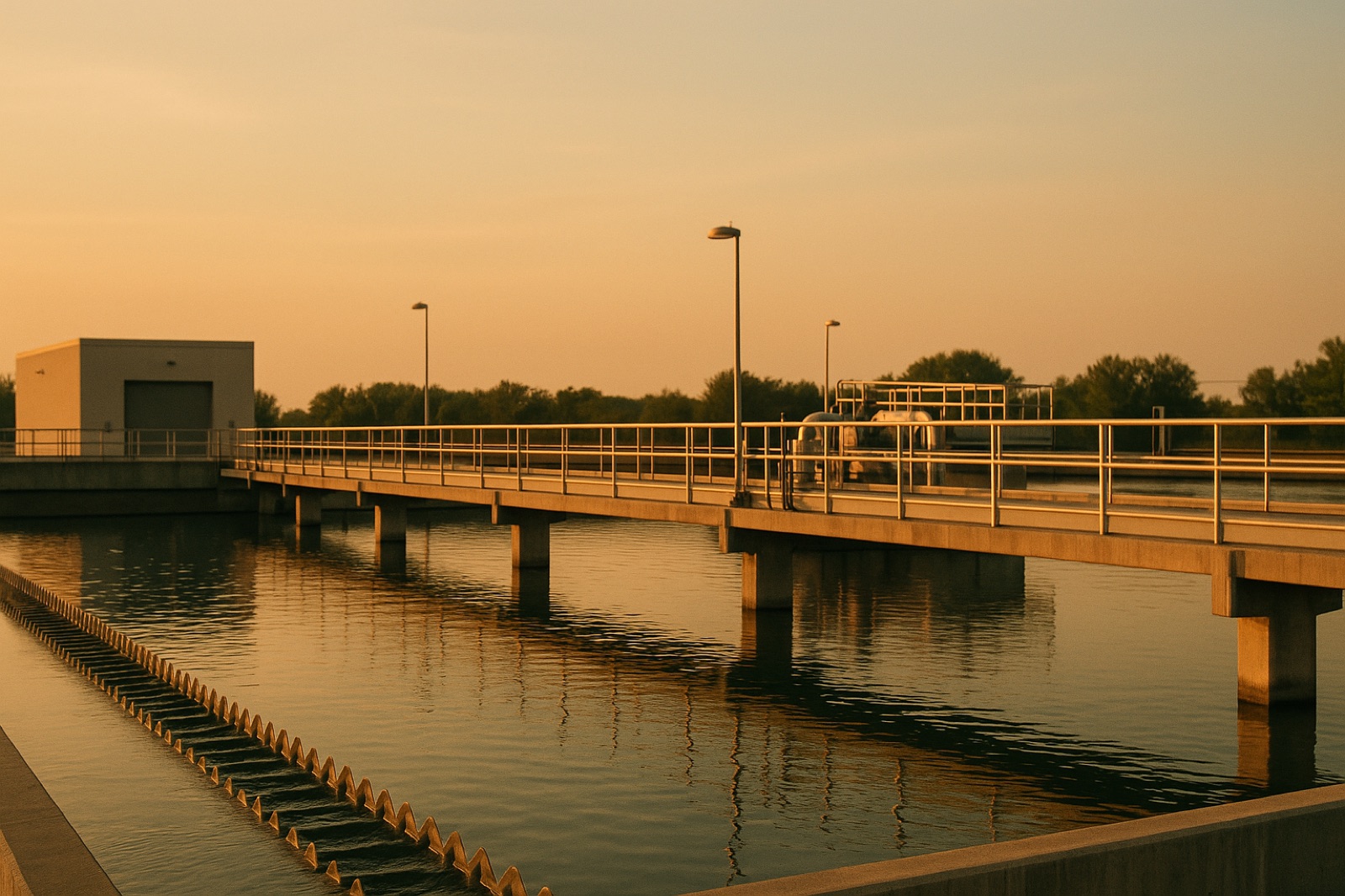
In the Midwest, rural water systems are crucial for sustaining local communities, yet many residents face unique challenges that threaten their access to this essential resource. The region's reliance on well water, coupled with aging infrastructure, raises questions about the sustainability and safety of water supplies.
Rural Water Systems: An Overview
In many rural areas of the Midwest, residents depend on groundwater sourced from private wells. According to the US Geological Survey, over 15 million people in the United States rely on private wells for their drinking water. This reliance on well water can lead to significant challenges, including contamination from agricultural runoff, aging infrastructure, and changing climate patterns.
Unlike urban areas where water is supplied through centralized systems, rural water systems often consist of individual wells, each with its own set of maintenance and quality assurance challenges. These wells can be susceptible to pollutants such as nitrates and heavy metals, particularly in agricultural regions where fertilizer and pesticide use is prevalent.
The Importance of Infrastructure
Infrastructure plays a vital role in ensuring safe water access for rural communities. Aging pipes and treatment facilities may not be equipped to handle modern demands or contamination threats. Some residents may experience reduced water quality, while others face complete outages due to system failures. The challenge is compounded by limited financial resources, which can hinder necessary upgrades and repairs.
In recent years, the Midwest has seen rising concerns regarding water reliability. For instance, a recent report highlighted how residents faced unprecedented pressure on water resources as climate patterns shift. In a discussion on water scarcity across the nation, The Guardian reported on Puerto Rico's water outages, stating, "...water shortages triggered by pipeline rupture drive up costs and deepen frustrations…" This issue is echoed in rural Midwest communities where similar infrastructural vulnerabilities may lead to dire consequences.
Best Practices for Rural Communities
To address these challenges, rural communities must engage in proactive water management practices. Regular testing of well water can help identify contaminants early, enabling timely response actions. Communities can also collaborate to share resources and knowledge, ensuring better maintenance of shared infrastructure.
Public education initiatives can raise awareness about the importance of protecting well water sources. Encouraging local farmers to adopt best management practices can minimize runoff and protect groundwater quality. Additionally, advocacy for increased funding and support for rural water systems from both state and federal governments is essential. This could involve grants for infrastructure upgrades or technical assistance for local water management.
A Look Ahead
The future of rural water systems in the Midwest requires a concerted effort from residents, local governments, and policymakers to create resilient and sustainable water access. As climate challenges escalate and demand for clean water rises, a collective response will be vital in ensuring that rural communities continue to thrive.
In summary, understanding the impact of rural water systems in the Midwest goes beyond acknowledging their existence. It requires recognizing the intricate challenges they face and working collaboratively to create solutions that safeguard water access for future generations.
As we navigate these complexities, rural water systems remain a critical component of community health and sustainability.