Infrastructure
Understanding the Structural Challenges of Midwest Water Systems
Exploring the aging infrastructure and its implications for water delivery in the Midwest.
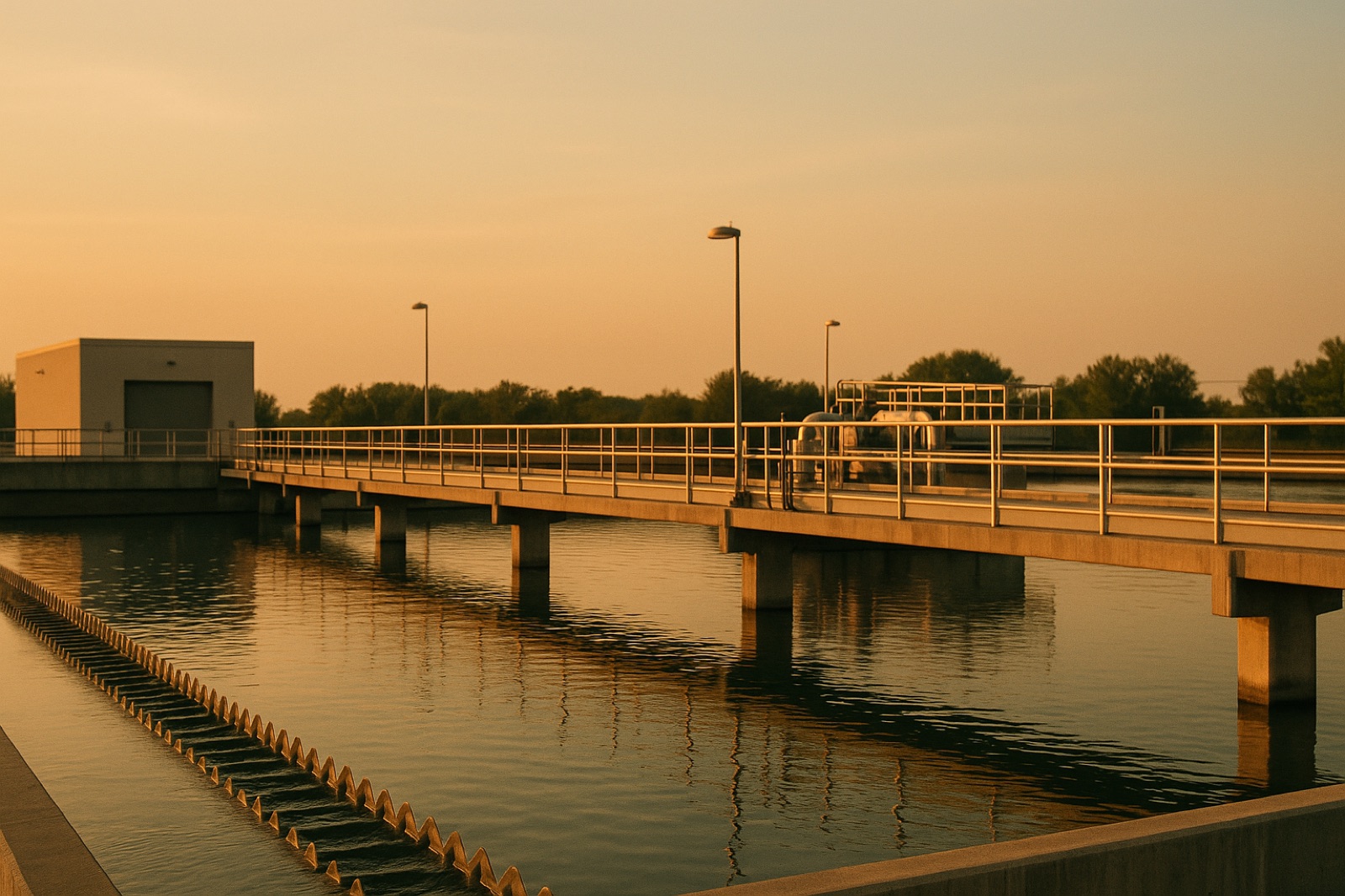
Water systems across the Midwest face a daunting challenge: aging infrastructure. Many cities and towns rely on pipes and treatment facilities that were installed decades ago. As these systems degrade, they not only pose risks to public health but also to the reliability of water delivery in the region.
One of the primary concerns with aging water infrastructure is the potential for leaks and breaks. Water main breaks can lead to significant disruptions in service, contaminating local supplies and requiring costly emergency repairs. In recent years, several areas within the Midwest have experienced increased instances of these breaks, largely attributed to the deterioration of old pipelines. Cities like Chicago and Detroit, which have some of the oldest water systems in the country, are particularly vulnerable.
The Cost of Inaction
The financial burden of maintaining these aging systems is substantial. Municipalities are scrambling to find funding for repairs while balancing budgets that already face constraints. According to the American Society of Civil Engineers, the Midwest will need billions of dollars over the next several decades just to upgrade existing water infrastructure. Without significant investment, the risk of catastrophic failures will only grow.
Moreover, the implications of deferred maintenance extend beyond just financial costs. Communities may face declining property values and increased insurance premiums as the reliability of water service wanes. This creates a cycle where economic challenges complicate the ability to fund necessary repairs, exacerbating the problem.
Case Studies in the Midwest
Recent events illustrate these challenges vividly. In 2026, heat waves across the Midwest have compounded issues with water delivery, impacting the functionality of radio and other communications infrastructure as reported by The Guardian. When temperatures soar, the stress on water systems increases, potentially causing pipes to crack or burst. The situation raises questions about the resilience of current systems under extreme weather conditions.
Additionally, cities like Flint, Michigan, have become cautionary tales about the consequences of neglecting aging infrastructure. The Flint water crisis was an alarming reminder of how quickly things can deteriorate when systems are not adequately managed. Issues with lead contamination due to corroded pipes highlighted the dire need for inspections, testing, and upgrades.
Potential Solutions
As communities seek solutions, a range of strategies may be employed. One approach involves leveraging technology. Advanced metering infrastructure can help detect leaks earlier and facilitate more efficient water management. This technology offers real-time data that can alert municipalities to problems before they escalate. Moreover, public engagement is crucial in advocating for funding and awareness around infrastructure needs.
Another critical element is collaboration among local governments, state agencies, and private entities. By pooling resources and expertise, regions can tackle water infrastructure issues more effectively. For example, sharing best practices from successful projects across the Midwest can help streamline efforts and reduce overall costs.
In conclusion, the pressing need to address the structural challenges of Midwest water systems cannot be overstated. As communities grapple with aging infrastructure and the associated costs, proactive measures are essential to ensure that reliable water service remains available. Without significant investment and strategic planning, future generations may face even more severe challenges in securing this vital resource.