Wells & Rural
Understanding Salt Water Intrusion and Its Implications for Midwestern Water Systems
Salt water intrusion is not just a coastal issue; it can impact freshwater supplies far from the ocean due to climate change.
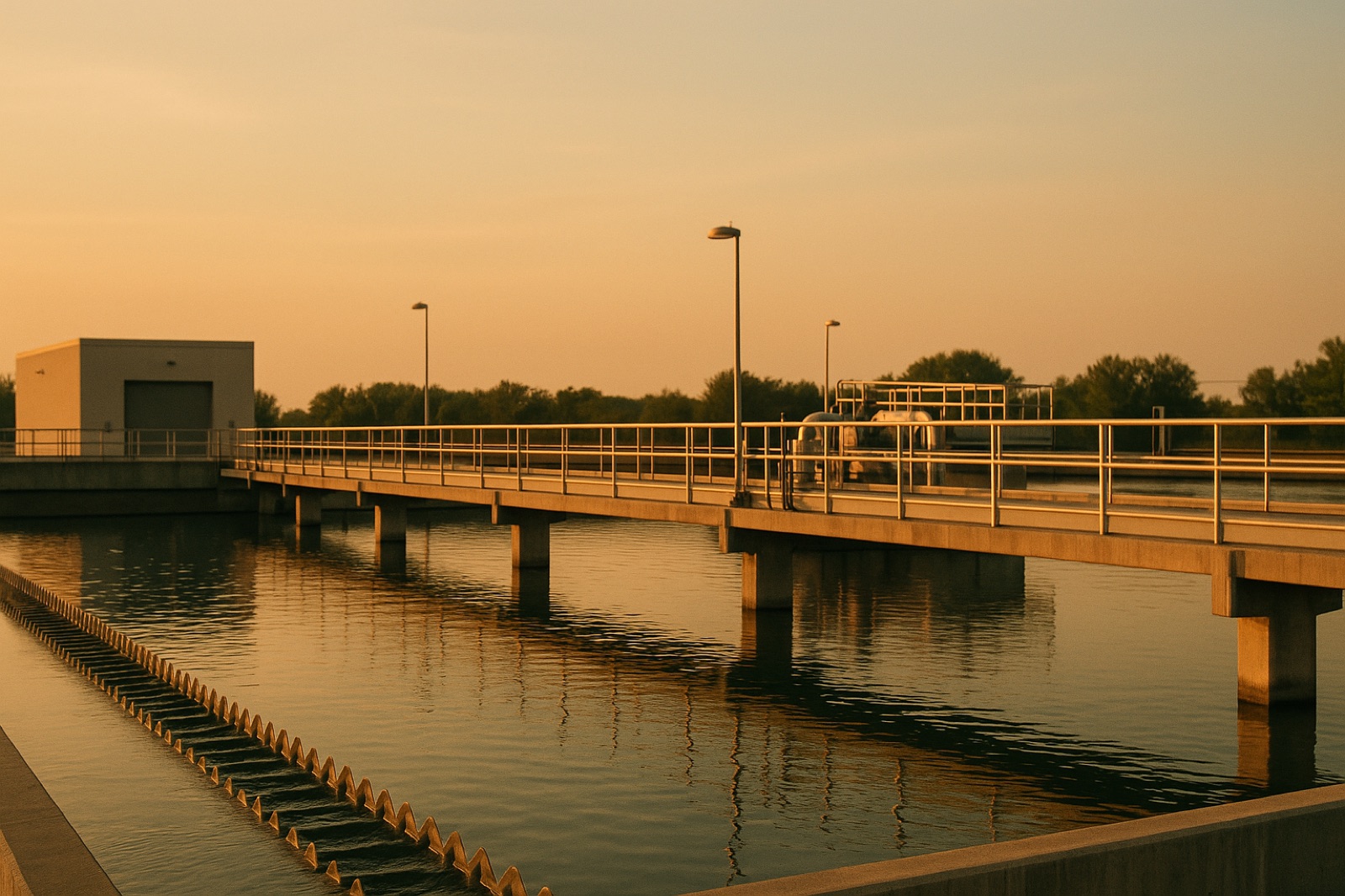
Water systems across the Midwest are facing significant challenges as climate change alters weather patterns and impacts both the quality and quantity of freshwater resources. One such phenomenon that has broader implications than many might realize is salt water intrusion, traditionally viewed as a coastal issue but increasingly relevant in inland areas.
What is Salt Water Intrusion?
Salt water intrusion occurs when seawater encroaches into freshwater aquifers, typically driven by over-extraction of groundwater, rising sea levels, or changes in precipitation patterns. This process can lead to an increase in salinity in drinking water sources, impacting agriculture and local ecosystems. While this issue is often associated with coastal regions, freshwater systems can also be influenced by salt water intrusion as climate change accelerates conditions that lead to such occurrences.
Global Perspectives: Gambia's Experience
A recent report from Circle of Blue highlights how communities in Gambia are already experiencing the adverse effects of salt water intrusion, which is described as "the leading edge of climate change." The article illustrates how Ebrima Nyan, a farmer in Bantang Killing, is witnessing a decline in crop yields due to salt water encroaching on his farmland, a situation that underscores the urgency of addressing water quality issues.
Regional Implications for the Midwest
In the Midwest, while we may not face salt water intrusion in the same way as coastal regions, the underlying principles of water management and sustainable practices are universal. For instance, over-extraction of groundwater for agricultural or urban use can lead to changes in groundwater levels, affecting water quality and availability. Additionally, heavy rains and flooding can disrupt the natural balance, potentially leading to salinity issues in areas near larger bodies of water.
As weather patterns become increasingly unpredictable, farmers may need to adapt their practices to manage these new challenges. Crop varieties may need to change, and irrigation practices will require careful monitoring to avoid depleting local aquifers.
Mitigation Strategies
Local water management authorities in the Midwest can take proactive measures to mitigate the risks associated with salt water intrusion and similar issues. This includes investing in sustainable water management practices, promoting water conservation strategies, and enhancing the resilience of existing water infrastructure. Public awareness campaigns can also play a vital role in educating communities about the importance of protecting local water resources.
A Call for Regional Collaboration
As water issues increasingly transcend local boundaries, collaboration across the Midwest region will be necessary to ensure sustainable water management practices. By sharing resources and knowledge, states can develop comprehensive strategies to address the impacts of climate change on water supplies.
Conclusion
While salt water intrusion may seem distant for those living far from coastal areas, it serves as a reminder of how interconnected water systems can be. As the Midwest grapples with its own unique challenges related to water quality and climate change, understanding phenomena like salt water intrusion can help inform more effective water management strategies. By learning from global experiences and adapting accordingly, Midwestern communities can work towards sustainable water futures.