Wells & Rural
Understanding Salt Water Intrusion and Its Impacts on Midwestern Water Systems
Salt water intrusion is not just a coastal issue; it has important implications for Midwestern water systems as climate change progresses.
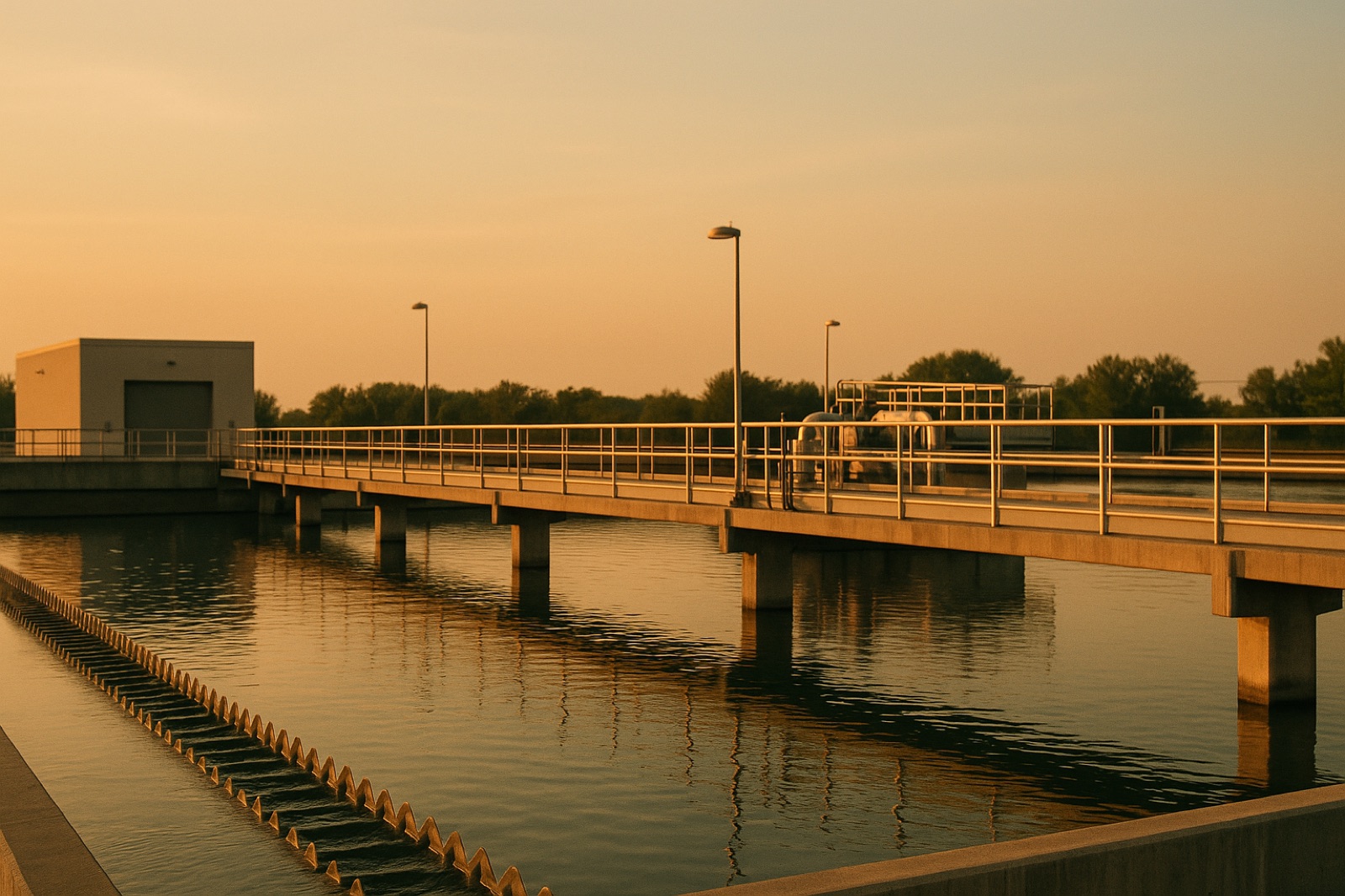
Salt water intrusion is a phenomenon often associated with coastal areas, where rising sea levels or excessive groundwater pumping allows saline water to encroach into freshwater aquifers. However, this issue is becoming increasingly relevant in the Midwest, particularly as climate change continues to disrupt natural water systems.
In a recent article from Circle of Blue, the situation in Gambia highlights the urgent challenges posed by salt water intrusion, illustrating how even distant regions may offer insights into local impacts. As the article notes, "Salt water intrusion is the leading edge of climate change" - a sentiment that resonates with Midwestern communities beginning to face similar threats.
How Does Salt Water Intrusion Happen?
Salt water intrusion occurs when the natural balance between freshwater and saltwater in aquifers is disrupted. In regions like the Midwest, where agriculture relies heavily on groundwater, this can have devastating effects. Factors such as intense droughts, rising temperatures, and excessive water extraction can lead to changes in groundwater levels, making it easier for saltwater from nearby bodies of water to infiltrate aquifers.
This intrusion is particularly concerning for rural areas that depend on wells for drinking water and irrigation. The quality of water deteriorates as salt levels rise, making it unsuitable for crops and potentially harmful for human consumption.
Regional Implications
While salt water intrusion has not reached the critical levels observed in some coastal areas, various Midwestern regions are already feeling the pressure. The Great Lakes region, for instance, is confronting climate challenges that can change precipitation patterns and affect the water table. The interaction between surface water and groundwater can also be altered, creating pathways for saltwater to enter otherwise protected freshwater sources.
As Midwestern farmers grapple with these issues, the economic implications become clear. Crop yields may decline as soil salinity increases, leading to higher costs for irrigation and soil amendments. Water quality issues could further strain local economies, particularly in areas where agriculture is a primary source of income.
Mitigation Strategies
Addressing salt water intrusion in the Midwest requires a multifaceted approach. Water management policies must evolve to incorporate strategies that protect groundwater resources. This includes regulating groundwater extraction, implementing conservation practices, and investing in infrastructure to monitor and manage water quality.
Additionally, community engagement and education are vital. Farmers and residents should be informed about the risks associated with salt water intrusion and encouraged to adopt practices that conserve freshwater resources, such as using cover crops and practicing precision irrigation.
Looking Ahead
The threat of salt water intrusion is a growing concern for Midwestern regions that have historically been insulated from such issues. As climate change continues to unfold, proactive measures will be essential to safeguard freshwater supplies. Communities must work together to develop holistic strategies that consider both environmental sustainability and economic viability.
As our understanding of these challenges deepens, we can draw valuable lessons from regions grappling with similar issues, such as those in Gambia. By learning from their experiences, Midwestern communities can better prepare for the future.
Ultimately, the dialogue surrounding water resource management must expand to include discussions about climate impacts, ensuring that Midwestern voices contribute to the larger conversation about water sustainability.