Great Lakes
Understanding Salt Water Intrusion and Its Implications for Great Lakes Water Systems
Salt water intrusion poses a growing threat to freshwater ecosystems, highlighting the need for proactive water management strategies.
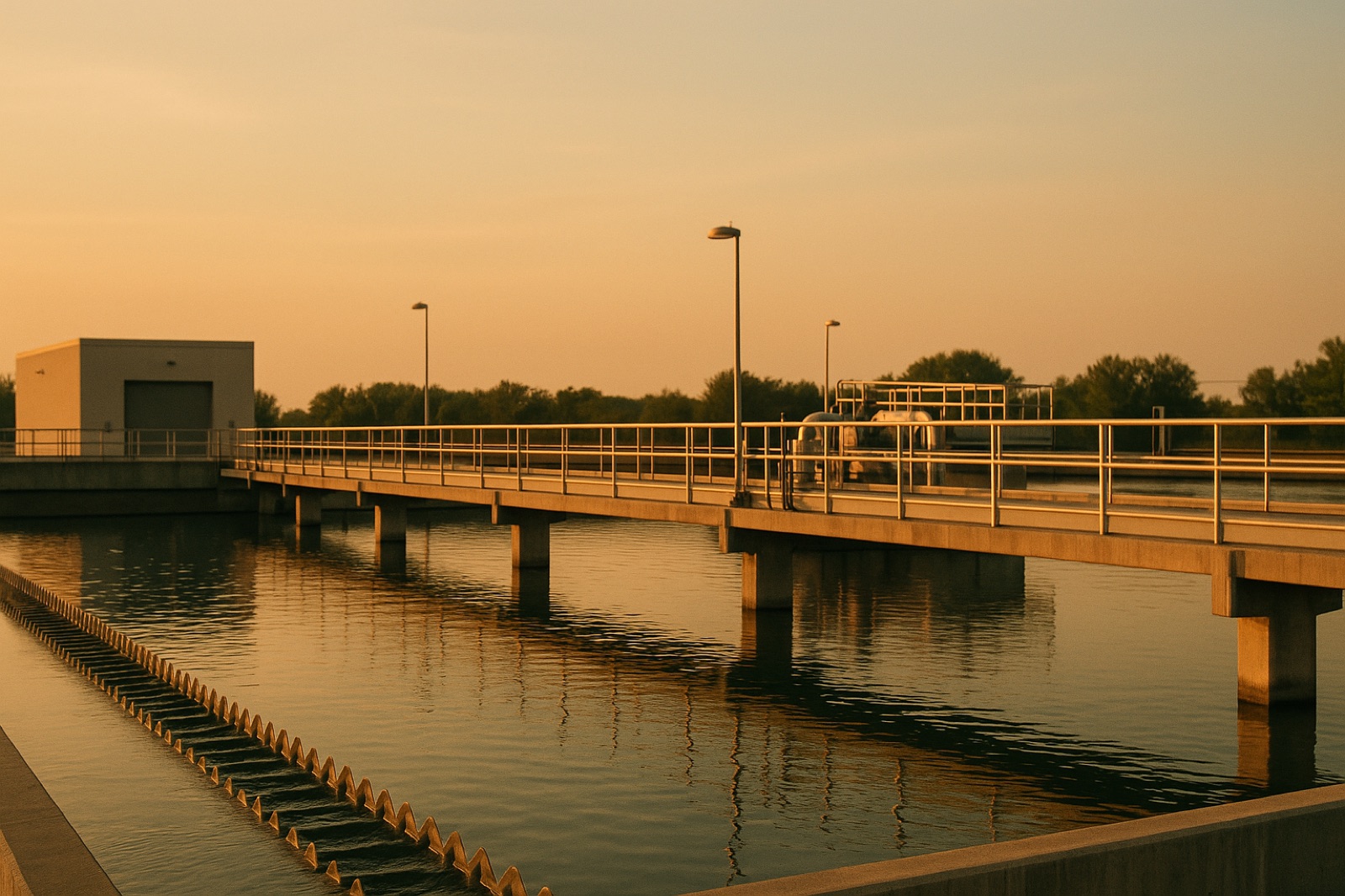
As climate change continues to impact water systems worldwide, one of the most pressing issues facing coastal and freshwater communities is salt water intrusion. This phenomenon occurs when salt water from oceans or estuaries migrates into freshwater aquifers or surface water bodies, often due to rising sea levels and increased groundwater extraction. While the Great Lakes region is not directly adjacent to the ocean, its freshwater resources are not immune to the effects of changing climate conditions and the accompanying salt water intrusion challenges.
The Mechanisms of Salt Water Intrusion
Salt water intrusion is generally driven by two primary factors: rising sea levels and over-extraction of groundwater. In coastal areas, rising sea levels can push salty ocean water inland, contaminating freshwater aquifers. Meanwhile, excessive pumping of groundwater can reduce the pressure in aquifers, allowing salt water to move in to replace the freshwater. For Midwestern states bordering the Great Lakes, the potential for salt water intrusion may come not from the ocean but from increased salinity in rivers and streams due to agricultural runoff or urban stormwater management practices.
Local Examples and Current Concerns
While salt water intrusion is more commonly discussed in coastal regions, the implications for the Great Lakes are becoming increasingly relevant. Local water systems can face threats from saline runoff, particularly as heavy rains wash road salt and other contaminants into waterways. As highlighted in a recent Circle of Blue article, salt water intrusion is a clear indicator of climate change impacts, showcasing how interconnected global water systems are.
The Great Lakes, which provide drinking water for over 40 million people and serve as a vital ecosystem, are potentially vulnerable to similar trends. Changes in precipitation patterns and increased flooding can lead to higher concentrations of salinity in local water sources, threatening both human health and aquatic life.
Addressing the Challenge of Salt Water Intrusion
To combat salt water intrusion, effective water management strategies are essential. This includes monitoring water quality more rigorously, investing in infrastructure to manage runoff and treat stormwater, and implementing better land-use practices that minimize salinity impacts. Collaboration across state and local governments, as well as with environmental organizations, is critical to developing comprehensive strategies that address both current and future water quality challenges.
Moreover, continued education and engagement with communities about the risks associated with salt water intrusion can foster a more informed populace that supports sustainable water practices. As the issue becomes more pressing, proactive measures will be vital for preserving the integrity of the Great Lakes and ensuring that the freshwater needs of future generations are met.
The Role of Policy and Regulation
Policy initiatives at both state and federal levels must prioritize the protection of freshwater resources. Regulations that limit salt usage during winter months and enforce best management practices for agricultural runoff can play a significant role in mitigating salinity levels in freshwater resources. Advocacy for more robust policies is essential to adapt to the evolving landscape of water management.
As communities across the Midwest reflect on their water systems and the threats posed by climate change, the lessons learned from regions already experiencing salt water intrusion will be invaluable. Understanding these dynamics now can better prepare the Great Lakes for the challenges that lie ahead, ensuring that this precious resource remains clean and accessible for future generations.