Illinois
Understanding the Role of PFAS in Drinking Water Regulations
PFAS contamination is reshaping the drinking water landscape across the Midwest.
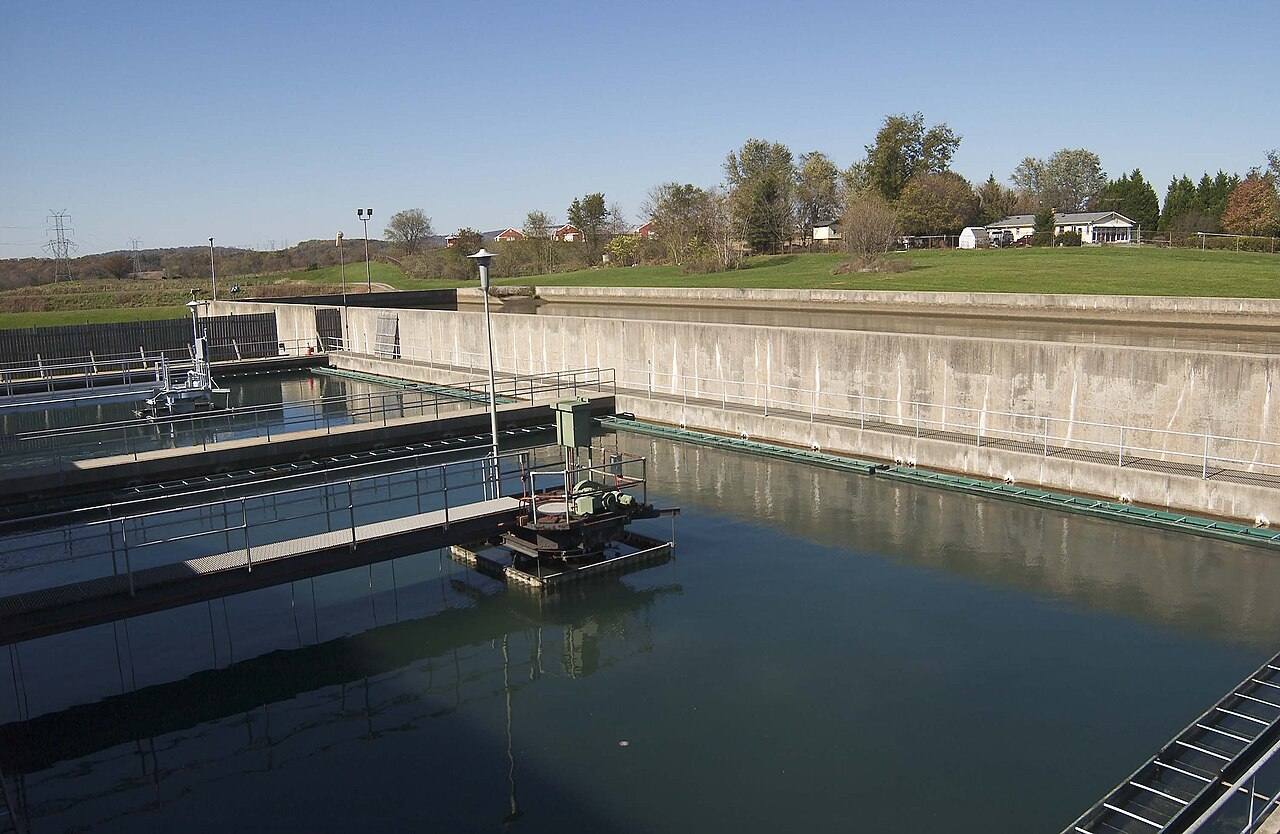
The landscape of drinking water regulations in the Midwest has been significantly influenced by the emergence of PFAS, a group of human-made chemicals known for their persistence in the environment. As drinking water systems grapple with these contaminants, communities are left to navigate the implications for health and safety.
What Are PFAS?
PFAS, or per- and polyfluoroalkyl substances, are a large group of chemicals used in a variety of industrial applications and consumer products. They are often referred to as 'forever chemicals' due to their resistance to breaking down in the environment. This stability has led to their widespread presence in groundwater, surface water, and even drinking water systems.
Current Regulatory Framework
In recent years, the U.S. Environmental Protection Agency (EPA) has taken steps to address the risks associated with PFAS in drinking water. The Fifth Unregulated Contaminant Monitoring Rule (UCMR 5) has revealed the extent of PFAS contamination, showing that these substances are widely present across the United States. This has prompted increased scrutiny and regulatory consideration, adding to public outcry for safer drinking water.
As noted in an article from Water Finance and Management by Ken Sansone and Valentina Marastoni-Bieser, the challenges posed by PFAS are reshaping the drinking water regulatory landscape. Communities are increasingly concerned about the safety of their water supply and the potential health effects associated with long-term exposure to these substances.
Impact on Water Systems
For many Midwest communities, the implications of PFAS contamination are significant. Water systems must evaluate their treatment processes and invest in new technologies to effectively remove these contaminants. This can be a costly endeavor, particularly for smaller municipalities with limited budgets. The challenge is not just about identifying contamination but also about ensuring that the water supply meets safety standards.
Public Awareness and Action
The public's growing awareness of PFAS issues has led to increased demand for transparency and action from water authorities. Community members are advocating for better testing, remediation efforts, and robust public communication about water quality. As regulatory frameworks evolve, residents are encouraged to stay informed about local water quality reports and participate in community discussions about water safety.
Looking Ahead
As regulations tighten and communities continue to confront PFAS challenges, the importance of effective water management strategies cannot be overstated. Collaboration among government agencies, water utilities, and the public is essential to develop solutions that ensure the safety and reliability of drinking water in the long term.
With PFAS remaining a key concern, Midwestern communities are at a critical juncture where awareness, action, and advocacy will play pivotal roles in shaping the future of their water systems.