Great Lakes
Understanding PFAS Contamination in the Great Lakes Region
PFAS contamination poses a significant challenge to water systems across the Great Lakes region.
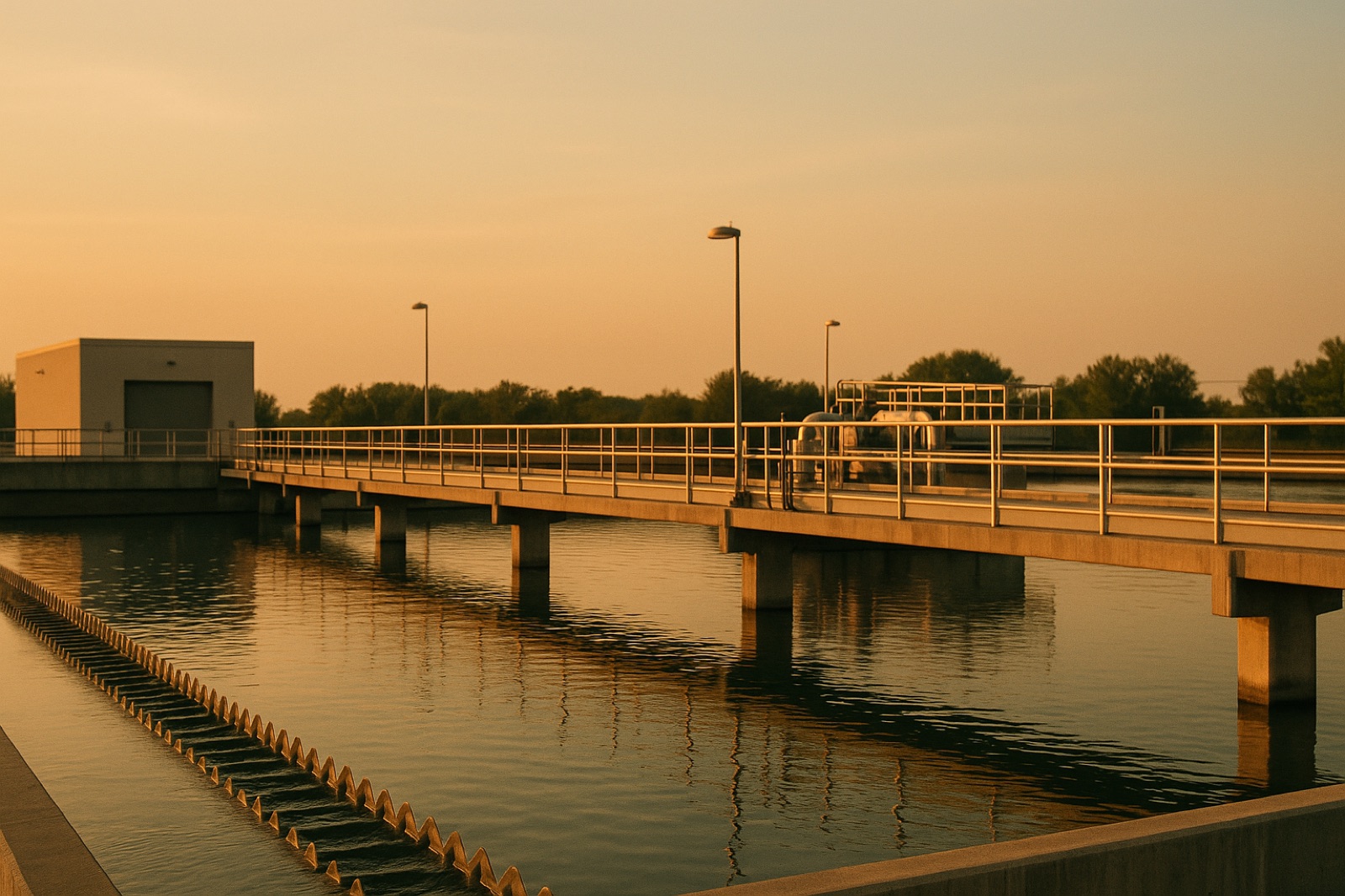
The Great Lakes are not only vital freshwater sources for millions of people, but they also face increasing threats from pollution, particularly from a class of chemicals known as PFAS, or per- and polyfluoroalkyl substances. These substances, often dubbed "forever chemicals" due to their persistent nature in the environment, have raised alarms among environmentalists and public health advocates.
PFAS are used in a variety of products, ranging from non-stick cookware to stain-resistant fabrics, and they are known for their durability in both human and environmental systems. When they enter water systems, they can be extremely difficult to remove, leading to long-term contamination of drinking water supplies.
Recent Developments
Recent reports, such as a piece published by Circle of Blue, detail the significant challenges faced by communities grappling with PFAS contamination. In North Bay, Ontario, officials are actively working to remediate longstanding contamination left by industrial activities and military operations in the area. This situation reflects a broader issue that many communities across the Great Lakes basin are facing.
Long-term Impacts on Water Systems
The reach of PFAS extends beyond just local water supplies. Because these chemicals do not break down easily, they can accumulate in the environment over time, impacting wildlife and local ecosystems. Moreover, PFAS can enter drinking water supplies through various pathways, including industrial discharge, landfills, and even agricultural runoff.
For municipalities and water management authorities, the presence of PFAS in water systems complicates the already challenging task of ensuring safe drinking water. Water treatment facilities must invest in advanced filtration technologies to address these contaminants. However, such technologies can be costly and are not always accessible to smaller communities that may lack the necessary resources.
Community Responses and Solutions
In light of these challenges, community responses have varied. Some areas are adopting proactive measures, such as collaborating with local agencies to better monitor water quality and design effective remediation strategies. The importance of community engagement cannot be understated; residents often play a crucial role in advocating for better regulations and funding for water infrastructure.
In addition to monitoring and remediation, there is a growing movement towards more stringent regulations on the use and disposal of PFAS-containing products. Advocates argue that preventing PFAS from entering the environment in the first place is essential for protecting water quality.
Looking Ahead
The situation surrounding PFAS in the Great Lakes is emblematic of a larger struggle between public health, environmental sustainability, and industrial practices. As communities continue to confront the reality of contamination, the need for transparent communication from governmental agencies and a commitment to effective remediation will be critical. Lessons learned from places like North Bay can inform strategies elsewhere, ensuring that water systems remain safe and reliable for future generations.
In conclusion, PFAS contamination presents a complex challenge for the Great Lakes region, intertwining environmental science, public health, and community action. As awareness grows, so too does the potential for collaboration and innovation in tackling this pressing issue.