Missouri
Understanding Missouri's Water Infrastructure Challenges Amid Climate Change
Missouri's water systems face significant pressures from climate change, impacting availability and quality.
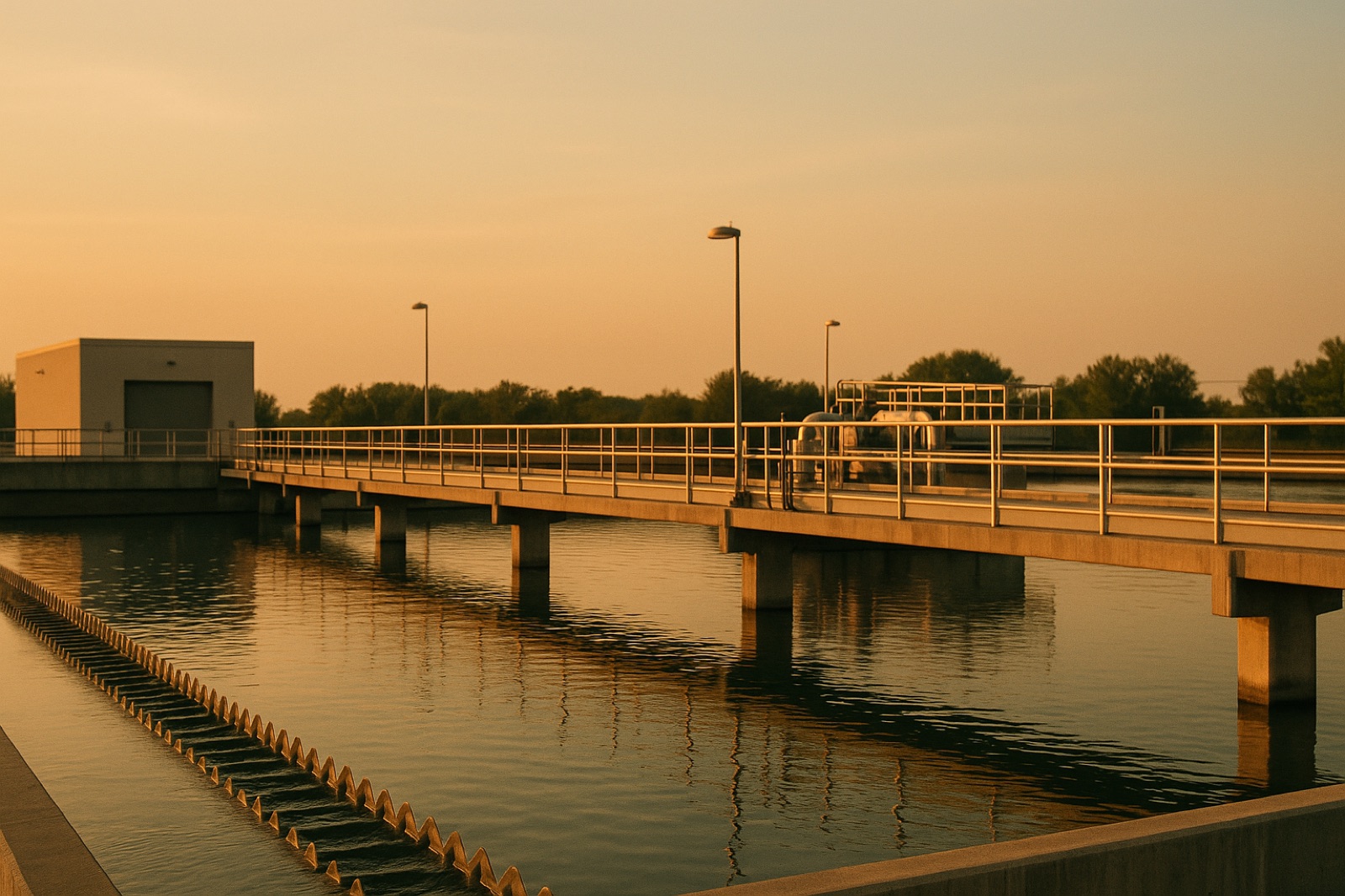
In Missouri, the state’s water systems are grappling with challenges that test their infrastructure and management. Climate change is not a distant threat; it is actively reshaping how water is sourced and delivered, creating significant implications for public health and environmental sustainability.
The Current Landscape
Missouri relies heavily on a mix of surface water and groundwater for its drinking water supply. The Missouri River, along with smaller rivers and lakes, plays a vital role in providing water to urban and rural communities alike. However, as the state has experienced increasingly erratic weather patterns - from heavy rainfall to drought - the reliability of these sources is under scrutiny.
In recent years, the state has witnessed intense rainfall events that lead to flooding, which can overwhelm wastewater systems and lead to contamination of drinking water supplies. Conversely, prolonged dry spells have raised concerns about the depletion of groundwater reserves, particularly in rural areas where residents depend on wells.
Infrastructure at Risk
The physical infrastructure that supports Missouri’s water supply systems, including aging pipelines and treatment facilities, is also vulnerable to these changing conditions. Many of the state’s water systems face significant financial strain, with some struggling to maintain and upgrade their infrastructure. The American Society of Civil Engineers has long warned that a substantial percentage of the nation’s water infrastructure is in poor condition, and Missouri is no exception.
Moreover, as reported by The Guardian, with climate activists increasingly focused on accountability for environmental issues, public awareness and scrutiny of water management practices are growing. This increased attention can pressure local governments and water authorities to act more transparently and proactively address infrastructure challenges.
Water Quality Concerns
As Missouri’s water sources face the dual pressures of climate change and aging infrastructure, concerns about water quality have also escalated. Contaminants such as nitrates and phosphates from agricultural runoff pose serious risks to both drinking water and aquatic ecosystems. Water treatment facilities are tasked with managing these risks, but their effectiveness can be compromised by extreme weather events, which may alter the composition of raw water supplies.
Public health advocates stress the importance of investing in modern water treatment technologies and enhancing monitoring systems to better detect contaminants. This is particularly crucial as the state’s population continues to grow and urban areas expand into previously rural regions.
Policy and Community Response
To address these multifaceted challenges, Missouri’s state officials and local governments are increasingly looking at comprehensive water management strategies that include not only infrastructure investment but also community engagement. Educational programs that inform residents about water conservation and pollution prevention can play a vital role in a holistic approach to water management.
Collaboration among stakeholders is essential, encompassing government agencies, community organizations, and residents. This collaborative approach can lead to better resource allocation and more resilient water systems. However, as climate change continues to impact water resources, timely action is critical. The need for adaptive management strategies that can respond to both immediate and long-term challenges is more pressing than ever.
Conclusion
In summary, Missouri’s water infrastructure faces increasing challenges from climate change that threaten both the quality and availability of water resources. As communities and policymakers navigate these uncharted waters, a concerted effort involving infrastructure upgrades, community engagement, and innovative management practices will be essential to securing a sustainable water future for the state.