Wells & Rural
Understanding the Infrastructure Challenges Facing Rural Water Systems in the Midwest
Rural water systems in the Midwest face unique challenges that impact their infrastructure and accessibility.
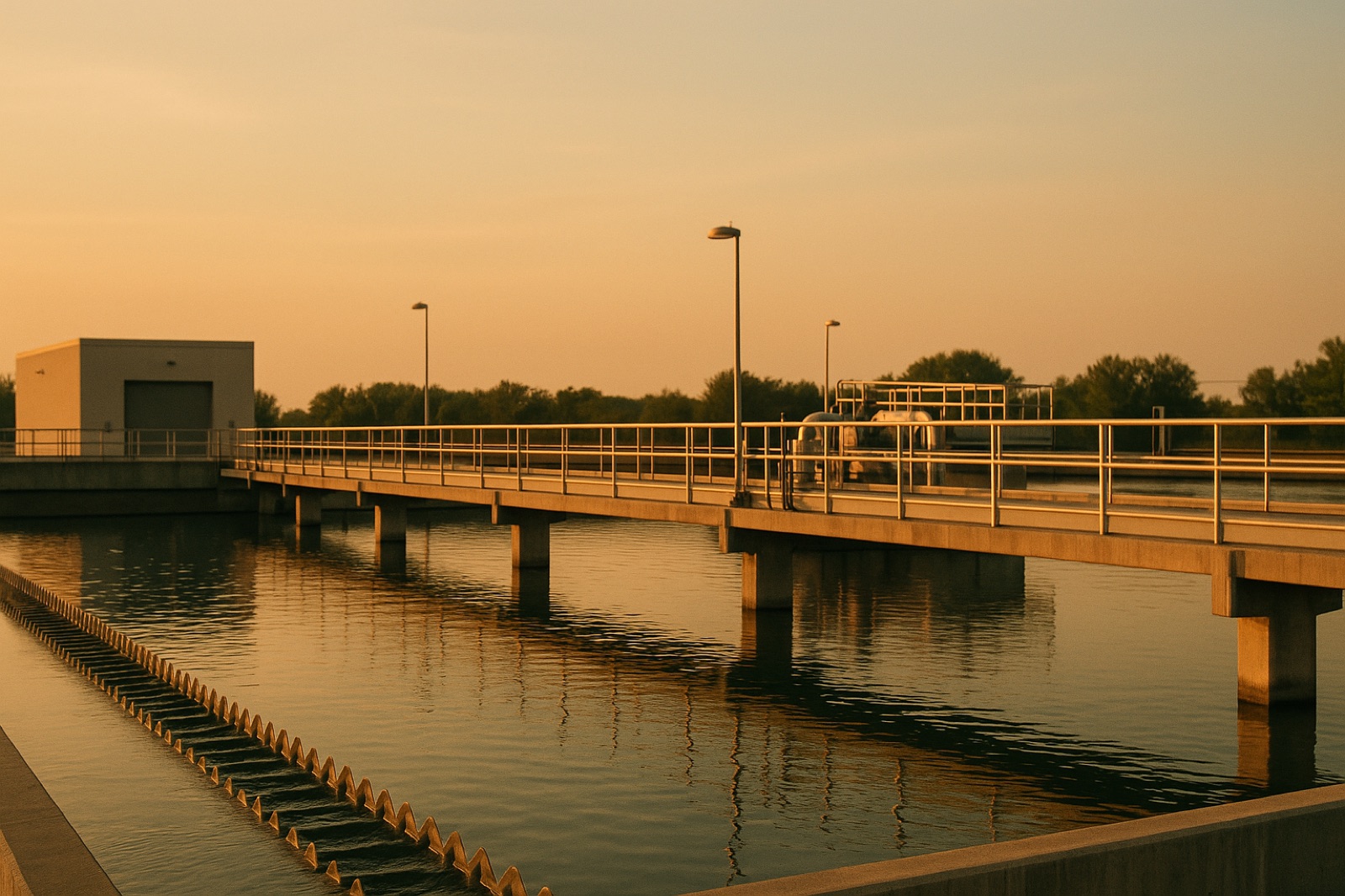
Rural water systems in the Midwest serve a diverse population, providing essential drinking water and sanitation services. However, these systems often grapple with unique challenges that can affect their efficiency and reliability. Understanding these issues is critical for ensuring that communities have access to safe and reliable water.
The Basics of Rural Water Systems
Rural water systems are typically smaller and less complex than urban systems. They often rely on groundwater from wells or surface water from lakes and rivers, which is then treated and distributed to homes and businesses. In many cases, these systems are managed by local municipalities or nonprofit organizations, which can lead to variability in service quality and infrastructure resilience.
Infrastructure Aging and Maintenance
Many rural water systems are facing aging infrastructure that requires significant investment for maintenance and upgrades. Pipes may be decades old, leading to leaks and water loss. According to the American Society of Civil Engineers, rural systems often have difficulty securing funding for necessary repairs and replacements, which can lead to service disruptions and water quality concerns.
For instance, the Midwest has seen a rise in reports of water main breaks and infrastructure failures due to outdated systems. These incidents not only waste precious water resources but can also contaminate drinking water supplies if not addressed swiftly. Communities are often left to manage these issues with limited financial and technical resources.
Funding Challenges
Securing funding for improvements in rural water systems is a perennial challenge. Unlike urban systems, which may have access to larger tax bases and federal grants, rural systems frequently struggle to compete for financial resources. Programs like the USDA Rural Development Water and Waste Disposal Loan and Grant Program aim to support rural communities by providing funding for water infrastructure projects, but the competition for these funds can be fierce.
The recent discussions around federal infrastructure funding highlight the need for targeted investments in rural water systems. As reported by The Guardian, some activists are watching closely how funding decisions are made, particularly in the context of environmental justice. This indicates a growing awareness of the interconnectedness of funding, infrastructure, and community health.
Climate Impacts and Water Supply
Another significant challenge for rural water systems is the increasing frequency of extreme weather events, such as droughts and floods. These climate impacts can strain water supplies and disrupt distribution networks. For example, a prolonged drought can lead to decreased groundwater levels, making it more difficult for rural systems to provide reliable water service.
As the climate continues to change, rural water systems must adapt to these new realities. This may involve investing in more resilient infrastructure, such as rainwater harvesting systems or advanced water recycling technologies. However, the costs associated with such upgrades can be prohibitive without adequate funding and support.
Community Engagement and Solutions
Community engagement is vital in addressing the infrastructure challenges faced by rural water systems. Local stakeholders, including residents, municipal leaders, and advocacy groups, can play an essential role in identifying needs and advocating for funding. Programs that promote public awareness about water conservation and system maintenance can also foster a sense of ownership and responsibility among users.
In conclusion, the challenges facing rural water systems in the Midwest are complex and multifaceted. Aging infrastructure, funding shortages, and climate impacts all contribute to the difficulties these communities encounter. However, through community engagement and targeted investments, it is possible to create more resilient water systems that can serve rural populations effectively for years to come.