Indiana
Understanding Indiana's Water Systems Amid the AI Boom
As Indiana embraces technological advancements, the impacts on its water resources are becoming increasingly complex.
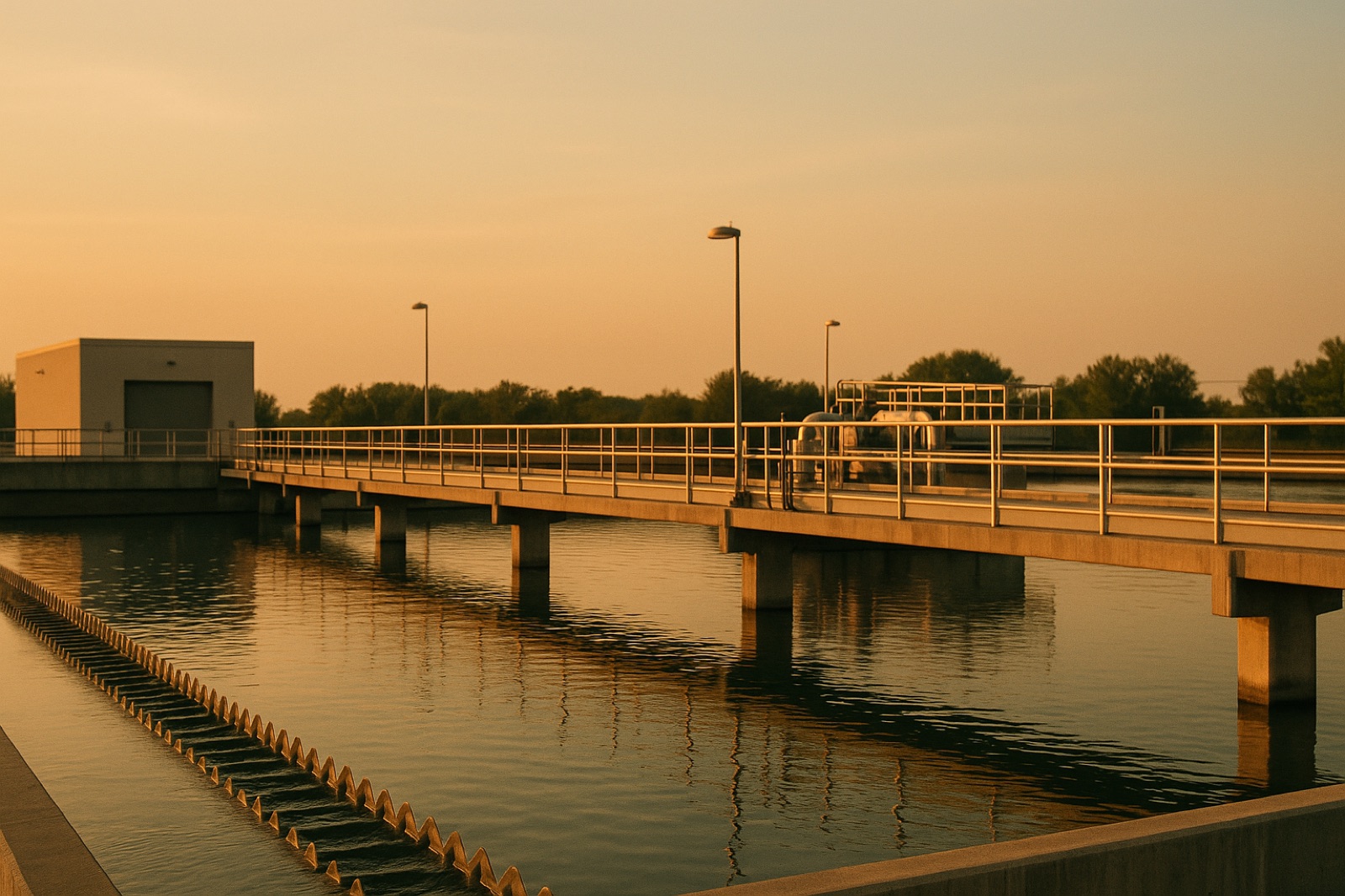
As Indiana stands at the crossroads of technological advancement and environmental stewardship, the intersection of artificial intelligence (AI) and energy production is raising significant questions about the sustainability of the state’s water resources. The recent article from Circle of Blue highlights how the AI boom is extending the reliance on fossil fuels, with serious implications not just for air quality but also for water systems.
How Water and Energy Are Interconnected
Understanding the relationship between water and energy is vital for Indiana residents. Water is essential in energy production - it's used in cooling processes for power plants, hydraulic fracturing, and even in the manufacturing of solar panels. Conversely, energy is required for the treatment and distribution of water. As Indiana shifts towards more AI-driven technologies, it could lead to increased energy demands. This could perpetuate a cycle of dependency on fossil fuels, which are notorious for their water consumption and potential contamination risks.
Current Landscape of Water Resources in Indiana
Indiana's water systems are primarily dependent on surface water and groundwater sources. The state is home to numerous lakes, rivers, and aquifers that serve as drinking water sources for millions. However, increasing temperatures and varying precipitation patterns due to climate change pose challenges for maintaining these water systems.
The state’s existing infrastructure is often outdated, which can exacerbate issues of water quality and availability. In areas where coal power plants and industrial facilities are prevalent, contamination from runoff can lead to higher levels of pollutants entering local waterways, as seen in many Midwest communities.
Hidden Costs of the AI Boom
The efforts to integrate AI technologies often come with hidden costs. As industries evolve and the demand for data centers grows, so too does the need for significant energy resources. The recent emphasis on AI may inadvertently prolong Indiana's dependence on fossil fuels, which can have detrimental effects on water systems. For instance, as more coal plants are relied upon for energy, the risk of water pollution increases, creating a cycle of environmental degradation.
As noted in the Circle of Blue article, the boom in AI has unforeseen consequences for water resources. The text states, "the AI boom is prolonging Indiana's fossil fuel era, with hidden costs for water." This reflects a broader concern that technology, while promising, may not always align with sustainable practices.
Community and Infrastructure Responses
To combat these challenges, community leaders and environmental advocates are seeking adaptive strategies that incorporate sustainability into energy solutions. Investment in renewable energy sources, such as wind and solar, is becoming increasingly critical. These alternatives can reduce reliance on fossil fuels and mitigate water use and contamination risks.
Moreover, upgrading existing water infrastructure is essential. This includes improving treatment facilities to handle emerging contaminants and ensuring efficient water distribution systems to minimize waste. Community engagement and public awareness campaigns can also play a crucial role in fostering a culture of conservation and responsible water use.
Looking Ahead
As Indiana navigates the complexities of integrating AI into its economy, it is vital to consider the implications for water resources. Stakeholders must prioritize sustainable practices to protect the state’s water systems and ensure that technology serves as a tool for improvement rather than a source of further strain.
In conclusion, while Indiana stands poised to embrace the technological future, it is equally important to safeguard its invaluable water resources. By understanding the interconnectedness of water and energy, and actively working to innovate sustainably, Hoosiers can ensure a healthier environment for generations to come.