Great Lakes
Understanding the Impact of PFAS on Great Lakes Water Systems
PFAS contamination is a pressing issue affecting water systems across the Midwest, especially in the Great Lakes region.
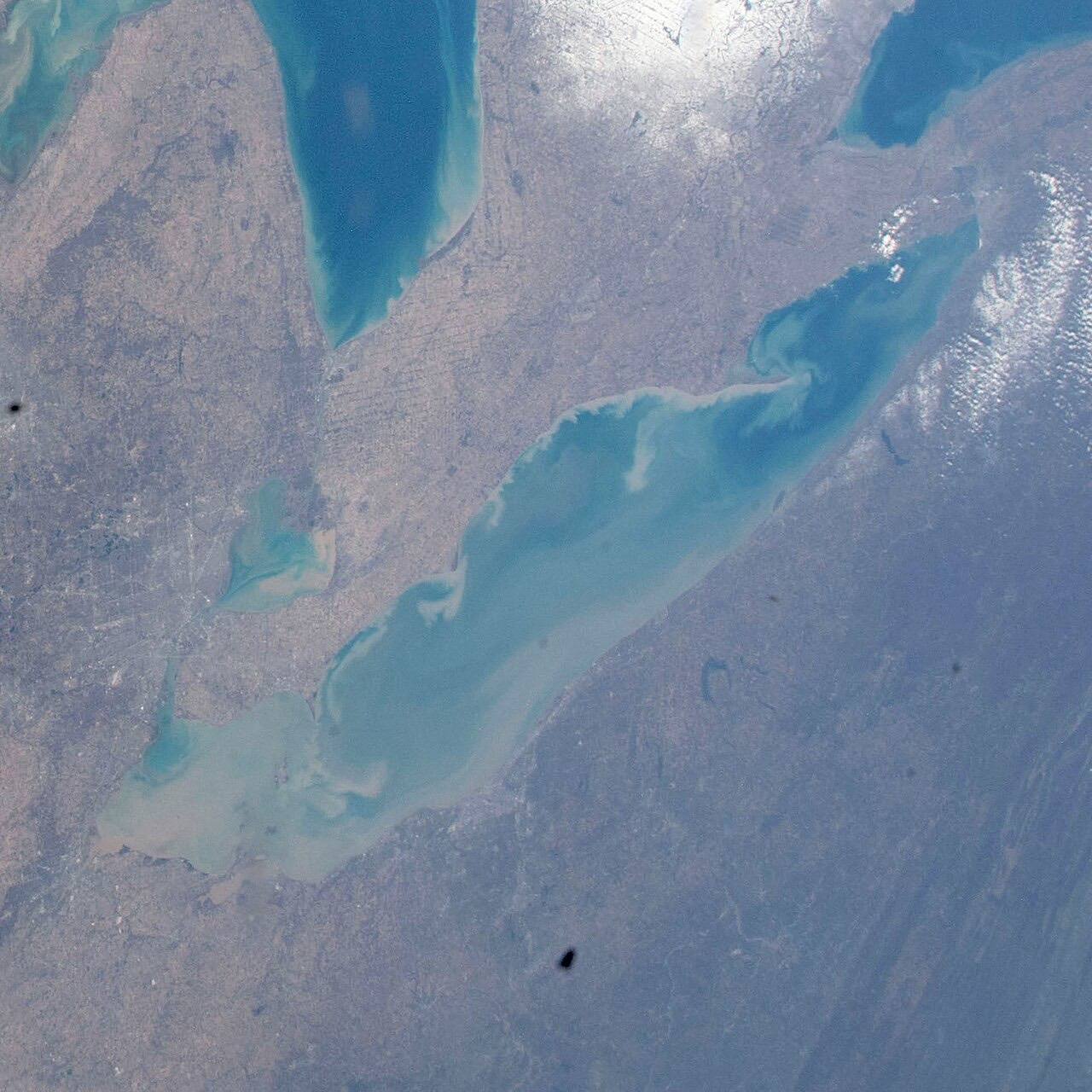
The presence of per- and polyfluoroalkyl substances, commonly known as PFAS, in water supplies has emerged as a critical environmental and public health concern in the Great Lakes region. These substances, often referred to as "forever chemicals" due to their persistence in the environment, have been detected in various water systems, raising alarms about potential health risks and the efficacy of current water treatment practices.
PFAS are a group of synthetic chemicals used in a wide array of products, including non-stick cookware, water-repellent clothing, and firefighting foam. Their widespread use has resulted in environmental contamination, primarily through industrial discharge and runoff. As research continues to illuminate the potential health effects associated with PFAS exposure, communities are left grappling with how to effectively manage this growing challenge.
The Regulatory Landscape
Recent developments in regulatory measures highlight the urgency surrounding PFAS management. According to Water Finance and Management, the Fifth Unregulated Contaminant Monitoring Rule (UCMR 5) has revealed PFAS contamination is widely present in drinking water across the United States. This has intensified public outcry and forced local governments and utilities to reevaluate their water treatment processes. In the Great Lakes region, where water systems source their drinking water directly from the lakes, the implications of PFAS contamination are especially significant.
As states and municipalities respond to this growing concern, they face the dual challenges of identifying PFAS sources and implementing effective remediation strategies. Many water systems are investing in advanced filtration technologies capable of removing these contaminants, yet the financial burden of such upgrades can be overwhelming for smaller or underfunded systems.
Local Responses to PFAS Levels
In the Great Lakes area, various communities are taking steps to address PFAS contamination. For instance, in North Bay, Ontario, residents gathered to express their concerns over the city's longstanding contamination issues. Local officials have started to formulate plans to remediate the polluted waterways as highlighted by Circle of Blue. The ongoing efforts reflect a growing recognition of the need for proactive measures to protect public health and water resources.
Communities facing PFAS challenges are also beginning to collaborate with regional treatment companies that test private wells and public water systems for contamination. These partnerships aim to enhance monitoring and develop comprehensive strategies to address PFAS levels effectively.
The Broader Implications of PFAS Contamination
The PFAS issue underscores a broader trend in water management: the increasing complexity of ensuring safe drinking water in the face of emerging contaminants. As science progresses, there is a pressing need for water systems to adapt not only to known pollutants but also to newly identified risks. This adaptation often requires significant investments in infrastructure and technology, which can be particularly challenging for rural and small urban water systems.
Moreover, the PFAS dilemma emphasizes the importance of collaboration between state agencies, local governments, and water utilities. Sharing resources, knowledge, and best practices can lead to more effective management of water supplies and the protection of public health.
In conclusion, the presence of PFAS in Great Lakes water systems poses significant challenges that demand concerted efforts from various stakeholders. As communities work to adapt to these challenges, they can benefit from regional treatment companies and technical assistance to enhance their water safety protocols. The path forward requires not just action at the local level but also a commitment to understanding and addressing the complexities of water quality issues in the Great Lakes region.