Illinois
Understanding Hard Water: A Comparison of St. Louis and St. Charles
Discover how hard water levels differ between St. Louis and St. Charles, and explore potential solutions.
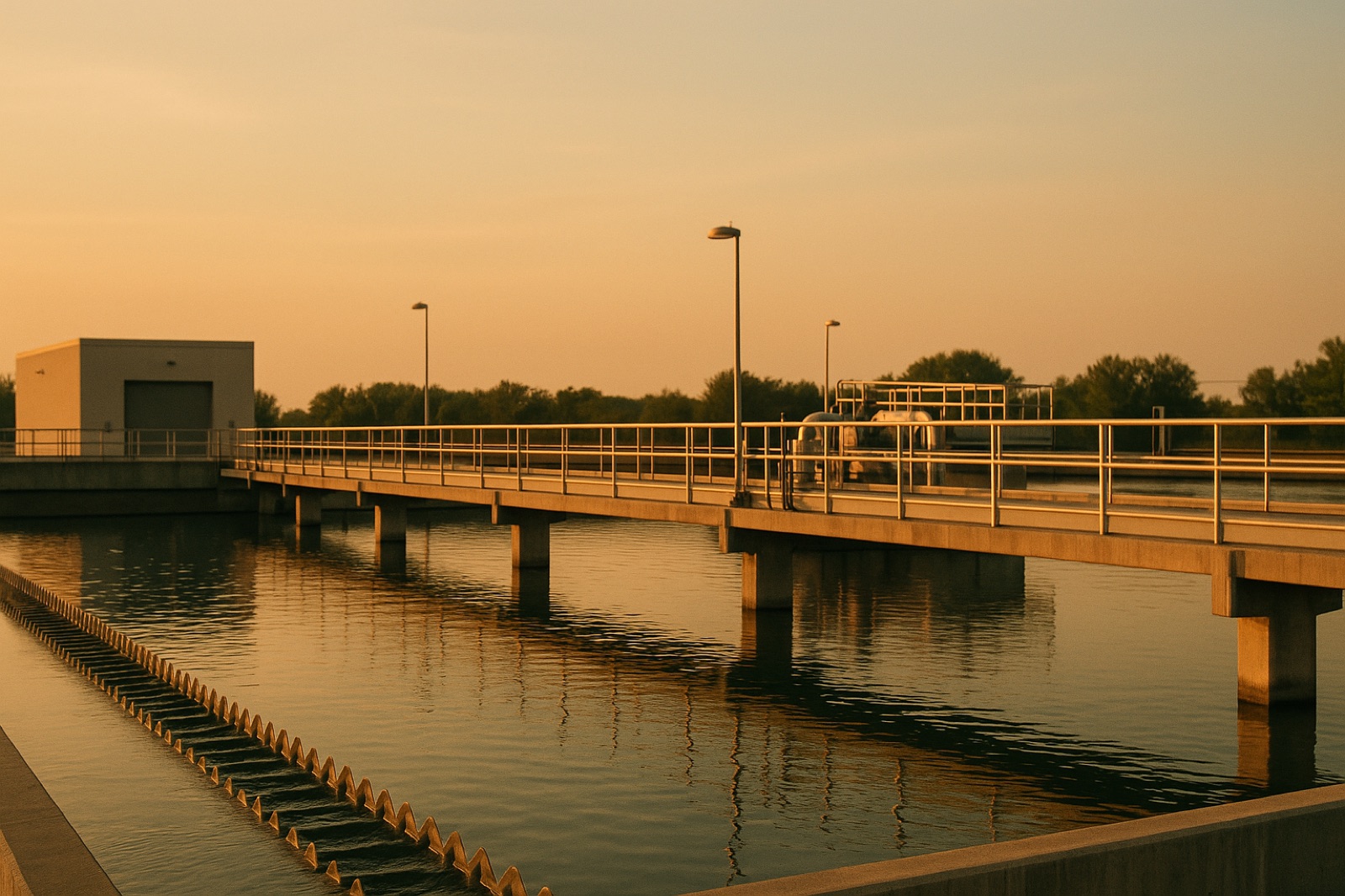
In the Midwest, hard water is a common issue that affects many households. It’s characterized by high levels of calcium and magnesium, which can lead to various challenges in daily life, including soap scum buildup and reduced efficiency of water heaters. When comparing the levels of hard water in St. Louis and St. Charles, it is essential to understand both the context and the potential solutions available to residents.
Hard Water Levels Explained
Hard water is measured in grains per gallon (gpg). Water that contains 1 gpg or less is considered soft, while water with 3.5 gpg or more is classified as hard. In general, St. Louis has a hardness level of approximately 7 gpg, which makes it moderately hard. In contrast, St. Charles typically has a hardness level closer to 10 gpg, categorizing it as hard water. This difference can impact everything from appliance longevity to personal care routines.
How Hard Water Affects Daily Life
Residents in areas with hard water often face several issues:
- Appliance Efficiency: Hard water can lead to mineral buildup in pipes and appliances, decreasing their efficiency and lifespan. Dishwashers and water heaters are particularly susceptible.
- Soap Scum and Cleaning: Hard water can react with soaps and detergents, leading to soap scum and a reduction in the effectiveness of cleaning products.
- Skin and Hair Health: Some people notice that hard water can leave skin feeling dry and hair looking dull due to the minerals that remain after washing.
Potential Solutions for Hard Water
Fortunately, there are several options available for residents dealing with hard water:
- Water Softeners: These devices can be installed in homes to exchange calcium and magnesium ions for sodium or potassium ions, effectively reducing water hardness. Many homeowners find this to be a beneficial long-term investment.
- Descaling Agents: For those who do not wish to install a water softener, descaling agents can help mitigate some of the effects of hard water, especially in appliances.
- Regular Maintenance: Homeowners can also perform regular maintenance on their plumbing systems to prevent mineral buildup, including descaling appliances such as dishwashers and water heaters.
Frequently Asked Questions
1. How can I determine the hardness of my water?
Most local water utilities provide water quality reports that indicate hardness levels. You can also purchase home testing kits.
2. Is hard water harmful to health?
While hard water is not considered a health risk, some individuals may have skin sensitivities or prefer the taste of softer water.
3. Will installing a water softener significantly reduce my water bills?
While a water softener may not directly reduce water usage, it can enhance the efficiency of appliances, potentially leading to savings on energy costs over time.
Conclusion
Understanding the differences in water hardness between St. Louis and St. Charles can empower residents to make informed decisions about their water treatment options. As communities continue to address water quality issues, it is essential to remain aware of how these factors directly impact daily life. Local resources such as Jones Air and Water can provide assistance in navigating these challenges effectively.